Anti Vegf Therapy
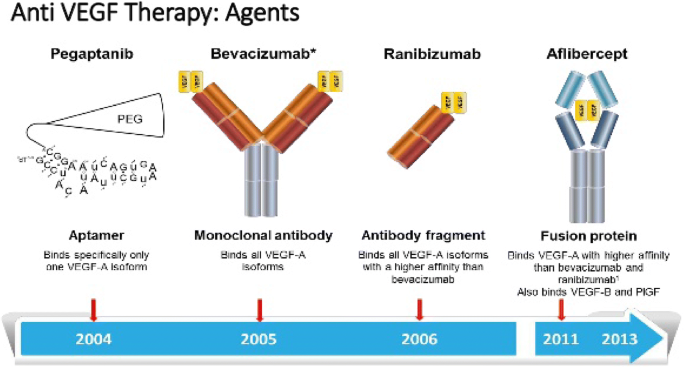
Intravitreal Anti Vegf Agents And Cardiovascular Risk Springerlink

Ashu Laser Vision

Anti Vegf Treatment In Corneal Diseases Bentham Science
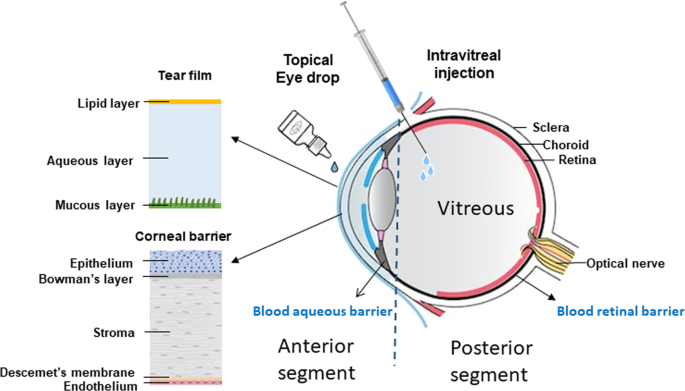
Use Of Biomaterials For Sustained Delivery Of Anti Vegf To Treat Retinal Diseases Eye

Anti Vegf Injections For Macular Disease Macular Disease Foundation Australia

Anti Vegf Therapy Identifying Safety Trends Ophthalmology Times
What are VEGF/VEGFR inhibitors?.

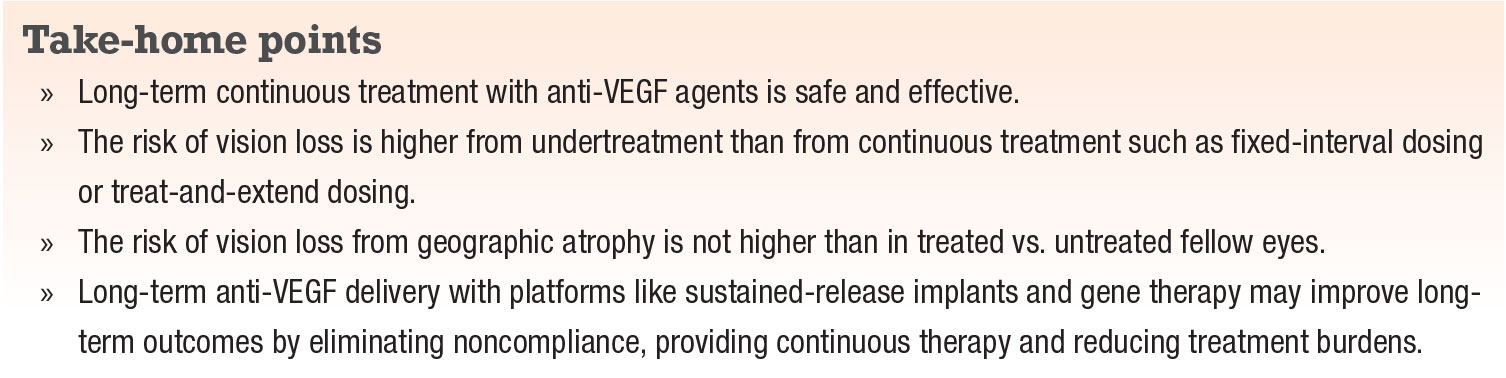
Anti vegf therapy. Intravitreal antiVEGF has largely replaced grid or focal lasers for macular edema treatment, both in diabetic retinopathy (DR) and retinal vein occlusions (RVO), and has almost completely replaced the laser treatments for choroidal neovascularization (CNV) of any etiology. AntiVEGF therapy is a great option for patients suffering from wet agerelated macular degeneration but it is also a procedure that comes with some serious risks Make sure you know all the potential risks and benefits before agreeing to this procedure. Although antiVEGF medications made significant improvements in the treatment of nAMD, the high frequency of injections makes treatment difficult to sustain New antiVEGF treatments, new delivery systems, and gene therapy are exciting potential developments to help combat the treatment burden associated with current therapy.
AntiVEGF Therapy AntiVEGF drugs can be used for radiation maculopathy related to the treatment of ocular lymphoma, uveal metastasis, and cancers of the lacrimal gland, sinus, and ocular adnexa30. From a clinical perspective, Dr Delia Sang of Ophthalmic Consultants of Boston points out that the use of antiVEGF therapy in the treatment of patients with wet macular degeneration has revolutionized outcomes in this disease. Patients under active antiVEGF treatment are given ADVM022 (at a dose of 6 x 10 11 in cohorts 1 and 4, and 2 x 10 11 in cohorts 2 and 3) 7 to 14 days after a screening aflibercept injection.
VEGF is a cell protein that helps create and repair blood vessel networks There are two widely available antiVEGF therapies A commercially produced antibody is a molecule generated against a specific peptide In general, these antibodies specifically bind to the peptide of interest and prevent its specific action. Current treatments for corneal neovascularization include topical corticosteroid and nonsteroid antiinflammatory medications, photodynamic therapy, laser photocoagulation, fine needle diathermy, and conjunctival, limbal, and amniotic membrane transplantation 23, , 115 Unfortunately, these all have limited clinical efficacy and also cause a multitude of undesirable side effects, especially elevated intraocular pressure and posterior subcapsular cataracts subsequent to corticosteroid use. Current research in using antiVEGF medication as a part of cancer treatments is focusing on elucidating the mechanisms of tumor resistance to VEGF medication, developing predictive biomarkers that assess whether a patient will respond to VEGF therapy and creating novel treatments and techniques that increase the efficacy of antiangiogenic medication.
The recent use of antiVEGF agents for neovascular glaucoma as well as wound modulation after trabeculectomy has shown great promise Through future research, the antiangiogenic and antifibroblastic properties of antiVEGF agents may prove to be beneficial in patients being treated for various forms. AntiVEGF therapy may aid visual acuity in some nAMD patients (HealthDay)—For about percent of patients with neovascular agerelated macular degeneration (nAMD), useful visual acuity (VA) is. As a result, some individuals suggest that the treatment interval for patients undergoing antiVEGF therapy never be extended beyond 12 to 14 weeks On the other hand, hemorrhagic events may occur in spite of more frequent and regular delivery of antiVEGF therapy.
Regeneron markets an antiVEGF drug called Eyelea (aflibercept) Gabbay said another way to treat the diabetic retinopathy is to cauterize blood vessels by burning tiny holds in the retina Gabbay said this is the “tried and true” approach but used after antiVEGF therapy. Anti–vascular endothelial growth factor therapy, also known as antiVEGF therapy or antiVEGF medication, is the use of medications that block vascular endothelial growth factorThis is done in the treatment of certain cancers and in agerelated macular degenerationThey can involve monoclonal antibodies such as bevacizumab, antibody derivatives such as ranibizumab (Lucentis), or orally. Other targeted therapy drugs Regorafenib (Stivarga) is a type of targeted therapy known as a kinase inhibitor Kinases are proteins on or near the surface of a cell that carry important signals to the cell’s control center Regorafenib blocks several kinase proteins that either help tumor cells grow or help form new blood vessels to feed the.
This study concludes that the incidence for heart attacks, strokes, and mortality rate in patients receiving intravitreal antiVEGF therapy was no different than in the general population However,. Epidermal growth factor receptor (EGFR, also known as ErbB1 or HER1) inhibitors are medicines that bind to certain parts of the EGFR and slow down or stop cell growth EGFR is a protein that is found on the surface of some cells that causes cells to divide when epidermal growth factor binds to it. Antivegf therapy Dermot McGrath Posted Friday, September 21, 18 Bridging the gap between clinical trials and realworld outcomes AntiVEGF agents have revolutionised the treatment of neovascular agerelated macular degeneration, significantly reducing AMDassociated blindness and visual impairment in the process, according to Ursula.
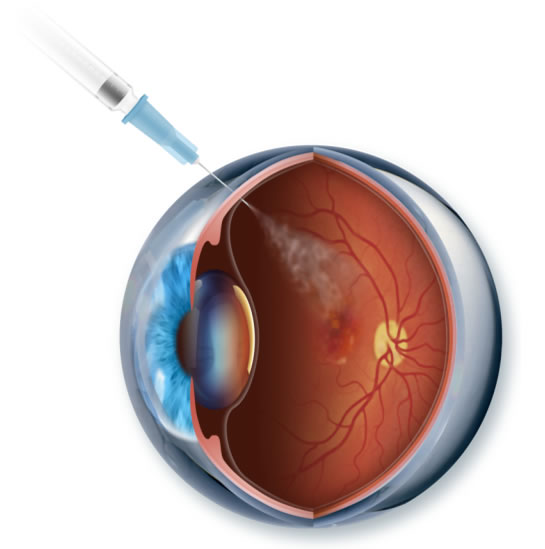
Anti–vascular endothelial growth factor therapy, also known as antiVEGF therapy or antiVEGF medication, is the use of medications that block vascular endothelial growth factorThis is done in the treatment of certain cancers and in agerelated macular degenerationThey can involve monoclonal antibodies such as bevacizumab, antibody derivatives such as ranibizumab (Lucentis), or orally. AntiVEGF therapy involves injection into the eye of medications that block the action of VEGF This seals off abnormal leaky blood vessels and eliminates retinal swelling which can help recover vision in patients with diabetic macular edema, retinal edema from vein occlusions, and CNVM from age related macular degeneration as well as other causes. AntiVEGF molecular targeted therapy provides a new direction for different types of malignant tumors that cannot be surgically resected.
From a clinical perspective, Dr Delia Sang of Ophthalmic Consultants of Boston points out that the use of antiVEGF therapy in the treatment of patients with wet macular degeneration has revolutionized outcomes in this disease. Regeneron markets an antiVEGF drug called Eyelea (aflibercept) Gabbay said another way to treat the diabetic retinopathy is to cauterize blood vessels by burning tiny holds in the retina Gabbay said this is the “tried and true” approach but used after antiVEGF therapy. AntiVEGF Therapy AntiVEGF drugs can be used for radiation maculopathy related to the treatment of ocular lymphoma, uveal metastasis, and cancers of the lacrimal gland, sinus, and ocular adnexa30.
AntiVEGF therapy in eyes with zone 1 (the most posterior) ROP has a potential advantage over laser photocoagulation the possibility that it can nondestructively enable healthy intraretinal blood vessels to mature and extend a bit across formerly avascular retina, Dr Hartnett said. AntiVEGF therapy may aid visual acuity in some nAMD patients (HealthDay)—For about percent of patients with neovascular agerelated macular degeneration (nAMD), useful visual acuity (VA) is. Intravitreal antiVEGF has largely replaced grid or focal lasers for macular edema treatment, both in diabetic retinopathy (DR) and retinal vein occlusions (RVO), and has almost completely replaced the laser treatments for choroidal neovascularization (CNV) of any etiology.
Once formed, 4 of the 6 types lose their VEGFA dependency, and so their responsiveness to antiVEGF/VEGF receptor therapy If therapies directed against the vasculature are to have a greater impact on human cancer, targets other than VEGF and its receptors will need to be identified on these resistant tumor vessels. Background The mechanism of resistance development to antiVEGF therapy in ovarian cancer is unclear We focused on the changes in tumour immunity post antiVEGF therapy Methods The frequencies of immune cell populations and hypoxic conditions in the resistant murine tumours and clinical samples were examined The expression profiles of both the proteins and genes in the resistant tumours. This is becoming a common question among people who have been treated for years with antiVEGF drug therapy These eye injections are the gold standard for treatment of wet agerelated macular degeneration (wAMD), having been first used clinically in 04 The news is good.
This study concludes that the incidence for heart attacks, strokes, and mortality rate in patients receiving intravitreal antiVEGF therapy was no different than in the general population However,. Vascular endothelial growth factor (VEGF)/ vascular endothelial growth factor receptor (VEGFR) inhibitors are agents that inhibit the activity of VEGF and VEGFR VEGR and VEGFR (a tyrosine kinase receptor) signaling modulates angiogenesis, which involves making of new blood vessels from existing blood vessels. AntiVEGF agents are proving to be useful for addressing a number of conditions, including diabetic macular edema and proliferative diabetic retinopathy, but today they are most often used to treat wet agerelated macular degeneration.
While all received antiVEGF therapy, a minority of patient eyes also received intravitreal corticosteroids (9% BRVO, 9% CRVO), focal laser (12% BRVO, 2% CRVO), and panretinal laser (3% BRVO, 6% CRVO), reflecting the realworld nature of this analysis. AntiVEGF therapy suppresses and thus prolongs the evolution of radiation maculopathy I have found that almost all patients who significantly delay or stop anti VEGF treatment develop “offtreatment” recurrent macular edema. This is becoming a common question among people who have been treated for years with antiVEGF drug therapy These eye injections are the gold standard for treatment of wet agerelated macular degeneration (wAMD), having been first used clinically in 04 The news is good.
Other targeted therapy drugs Regorafenib (Stivarga) is a type of targeted therapy known as a kinase inhibitor Kinases are proteins on or near the surface of a cell that carry important signals to the cell’s control center Regorafenib blocks several kinase proteins that either help tumor cells grow or help form new blood vessels to feed the. AntiVEGF therapy is a great option for patients suffering from wet agerelated macular degeneration but it is also a procedure that comes with some serious risks Make sure you know all the potential risks and benefits before agreeing to this procedure. "We found that, among eyes with VMID, the antiVEGF therapy yielded improved bestcorrected visual acuity and decreased central foveal thickness despite continued traction Eyes with VMID did require more antiVEGF agents than eyes without VMID," says Dr Bakri.
1 Ophthalmology 11 Oct;118(10)9393e2 doi /jophtha Stroke and antiVEGF therapy Ueta T, Mori H, Kunimatsu A, Yamaguchi T, Tamaki Y. Treatments for Wet AMD AntiVEGF Therapy VEGF is an acronym for vascular endothelial growth factor Currently, the most common and effective clinical treatment for wet Agerelated Macular Degeneration is antiVEGF therapy – which is periodic intravitreal (into the eye) injection of a chemical called an “antiVEGF”. AntiVEGF agents are proving to be useful for addressing a number of conditions, including diabetic macular edema and proliferative diabetic retinopathy, but today they are most often used to treat wet agerelated macular degeneration.
AntiVEGF medicine blocks VEGF, slowing the growth of blood vessels in the eye This slows or stops damage from the abnormal blood vessels and slows down vision loss Sometimes it can even improve vision Ophthalmologists use antiVEGF medicines to treat the following eye problems. AntiVEGF therapy in eyes with zone 1 (the most posterior) ROP has a potential advantage over laser photocoagulation the possibility that it can nondestructively enable healthy intraretinal blood vessels to mature and extend a bit across formerly avascular retina, Dr Hartnett said. Introduction to VEGF biology and antiVEGF therapy Following the pioneering work of the late Judah Folkman demonstrating the role of angiogenesis in tumor development, the treatment of metastatic cancer has undergone a major revolution, especially in diseases such as renal cell carcinoma (RCC).
AntiVEGF Therapy Avastin™ is a medication that can reduce swelling in the macula, prevent further vision loss and even improve vision for some patients with agerelated macular degeneration or AMD It works by stopping the body from producing VEGF (vascular endothelial growth factor), a chemical that makes abnormal blood vessels grow. From a clinical perspective, Dr Delia Sang of Ophthalmic Consultants of Boston points out that the use of antiVEGF therapy in the treatment of patients with wet macular degeneration has revolutionized outcomes in this disease. This study concludes that the incidence for heart attacks, strokes, and mortality rate in patients receiving intravitreal antiVEGF therapy was no different than in the general population.
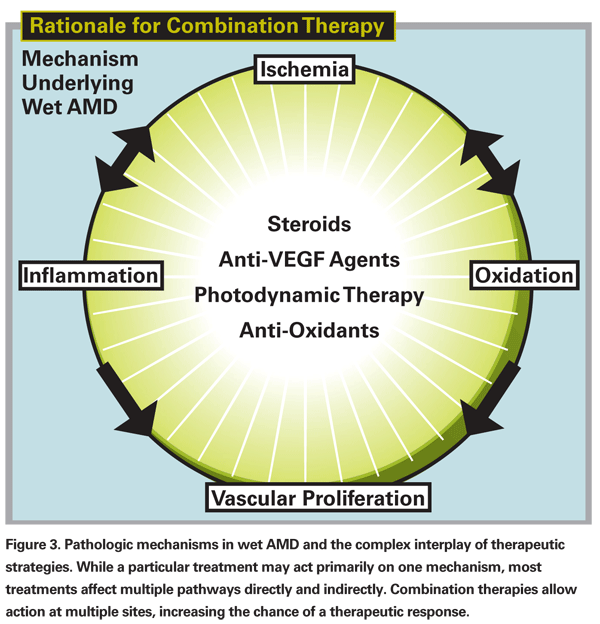
In cases where this is ineffective, combination therapy with antiinflammatories or with a vascular modulating therapy, such as photodynamic therapy with verteporfin, would be an appropriate consideration 6 New treatments designed to target the nonVEGF pathways would play a critical role here in the future. AntiVEGF therapy suppresses and thus prolongs the evolution of radiation maculopathy I have found that almost all patients who significantly delay or stop anti VEGF treatment develop “offtreatment” recurrent macular edema. AntiVEGF therapy has emerged as a preferred treatment of infants with retinopathy of prematurity (ROP), a population at particularly high risk for sustained VEGF suppression due to VEGF’s role in organogenesis and neurodevelopment In ROP infants treated with bevacizumab,.
Anti–vascular endothelial growth factor therapy, also known as antiVEGF therapy or antiVEGF medication, is the use of medications that block vascular endothelial growth factor This is done in the treatment of certain cancers and in agerelated macular degeneration.
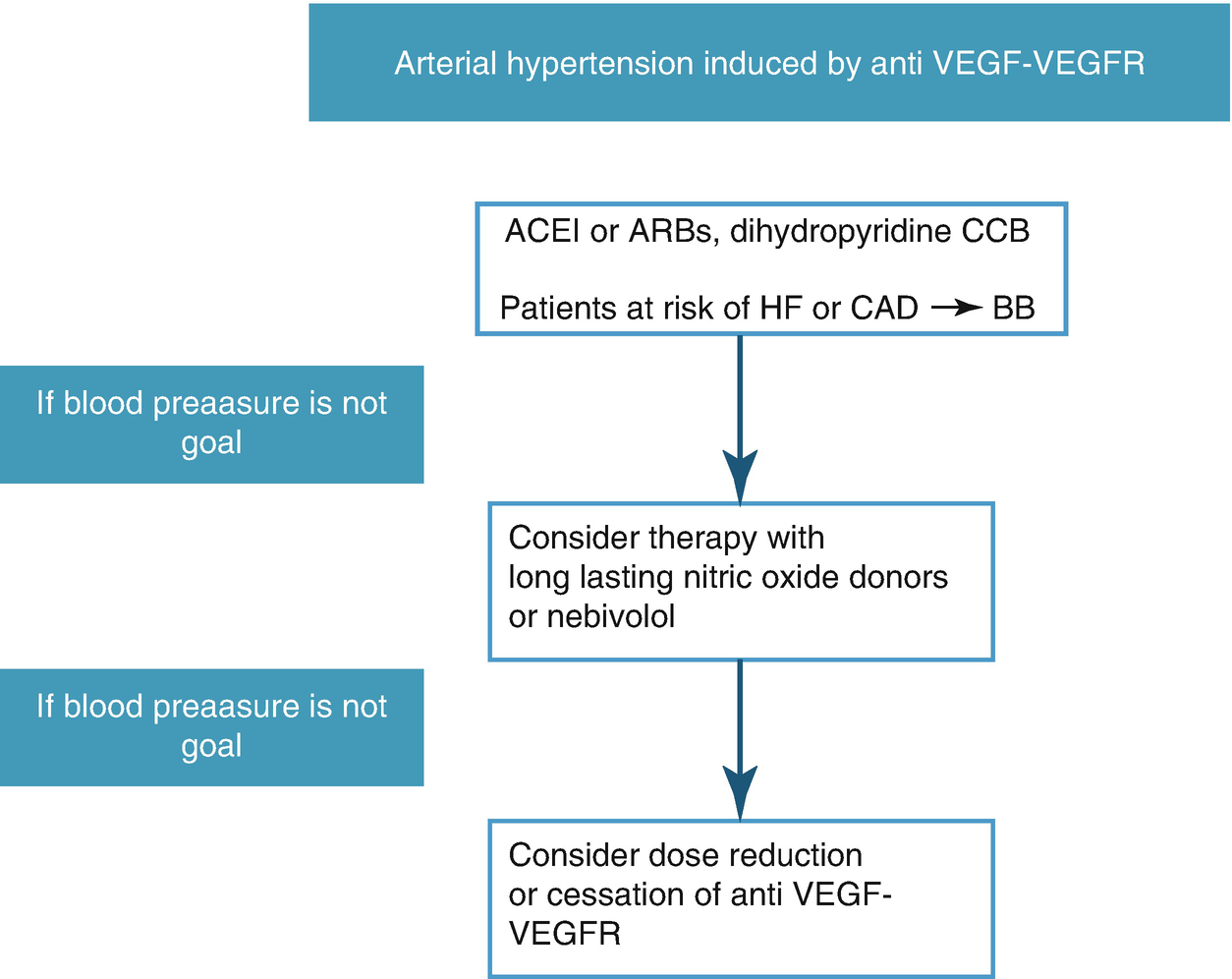
Cardiovascular Damage Induced By Anti Vegf Therapy Springerlink
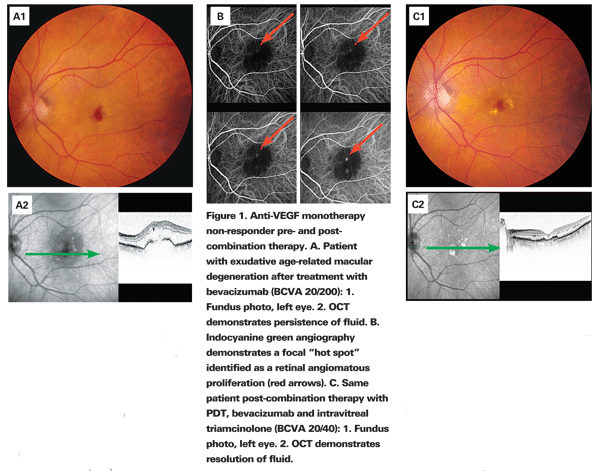
Anti Vegf Non Responders In Neovascular Amd

What To Expect From Anti Vegf Therapy Sharecare

Anti Vegf Therapy Eurotimes

Anti Vegf Vegfr Therapy For Cancer Reassessing The Target Cancer Research

Schema Of Mechanisms Of Fgf2 Driven Acquired Resistance To Anti Vegf Download Scientific Diagram
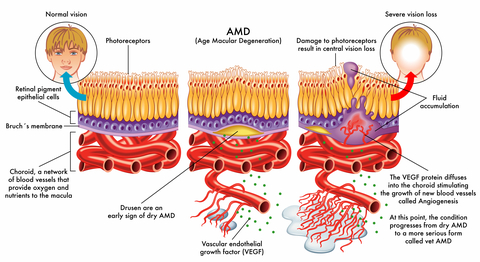
Anti Vegf How It Is Used To Treat Wet Macular Degeneration

Angiogenesis And Role Of Anti Vegf Therapy Pakistan Journal Of
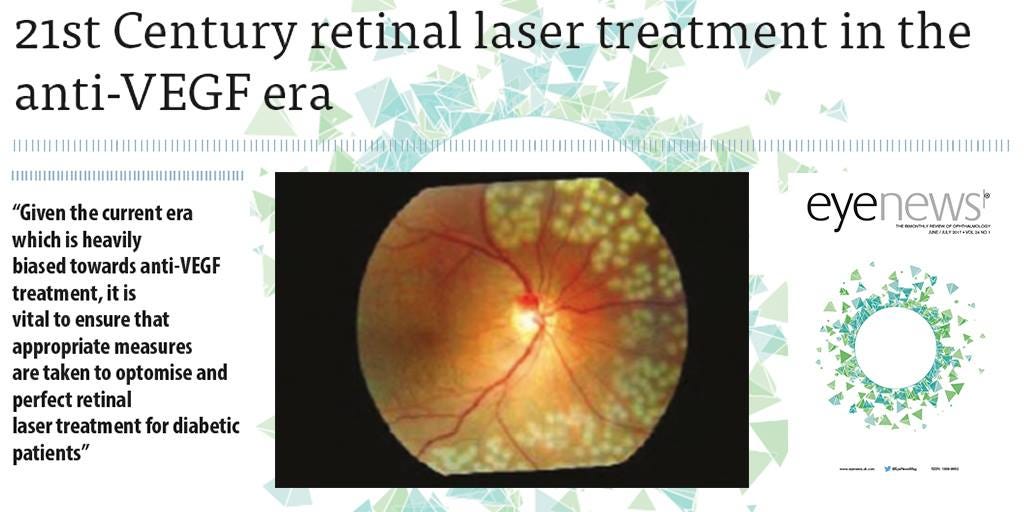
21st Century Retinal Laser Treatment In The Anti Vegf Era By Eye News Medium
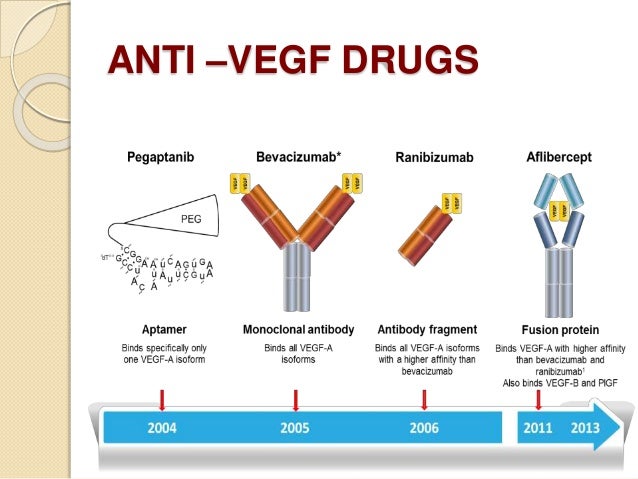
Anti Vegf Facts Myths

Effect Of Anti Vegf Therapy On Vision And Retinal Thickening The Download Scientific Diagram

Identification Of Signature Genes Associated With Therapeutic Resistance To Anti Vegf Therapy Eurekalert Science News
Q Tbn And9gcr W5 A8a2d4txsp8k77tase54pfjqaz2jm3 9s4 Oo7d8b Efb Usqp Cau

Glycosylation Dependent Lectin Receptor Interactions Preserve Angiogenesis In Anti Vegf Refractory Tumors Cell
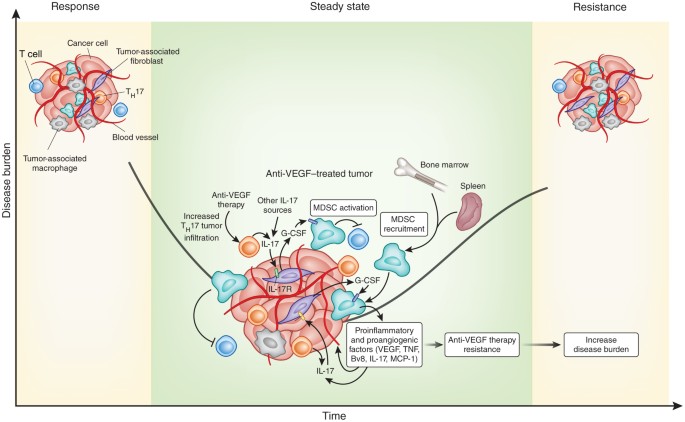
Il 17 Mediates Resistance To Anti Vegf Therapy Nature Medicine
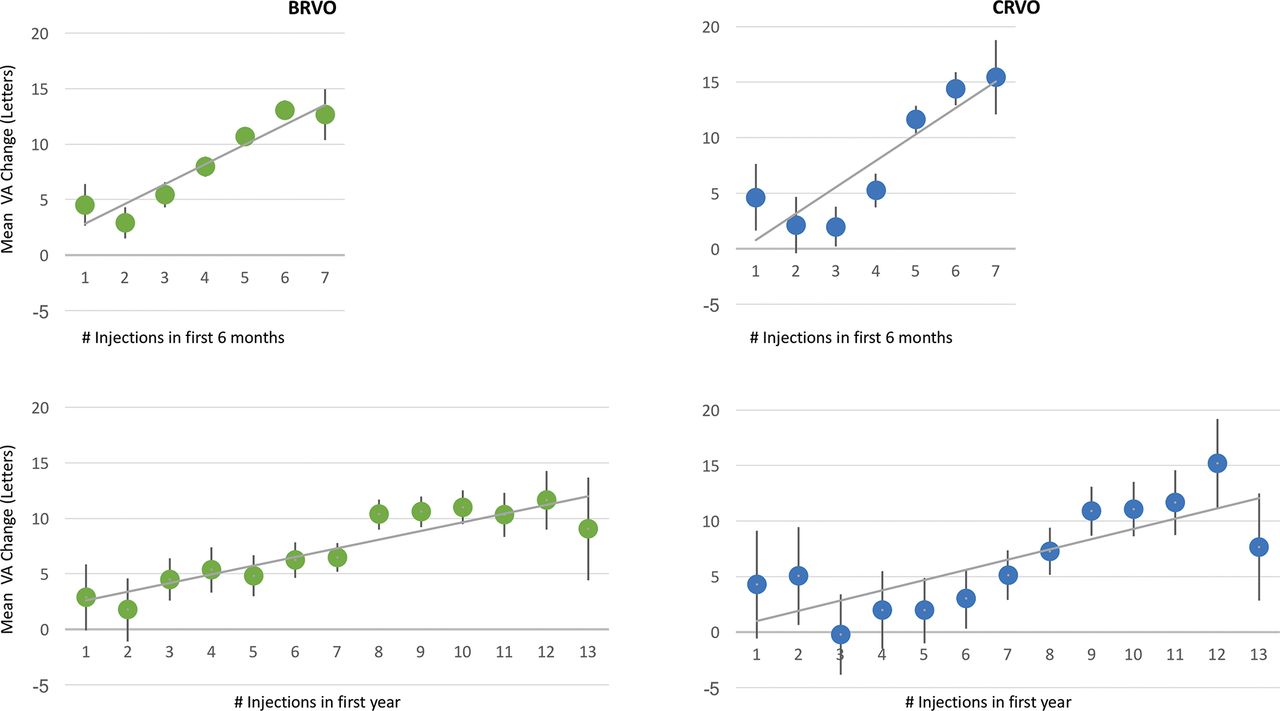
Visual Acuity Outcomes And Anti Vegf Therapy Intensity In Macular Oedema Due To Retinal Vein Occlusion A Real World Analysis Of 15 613 Patient Eyes British Journal Of Ophthalmology
What Anti Vegf Options Are Available
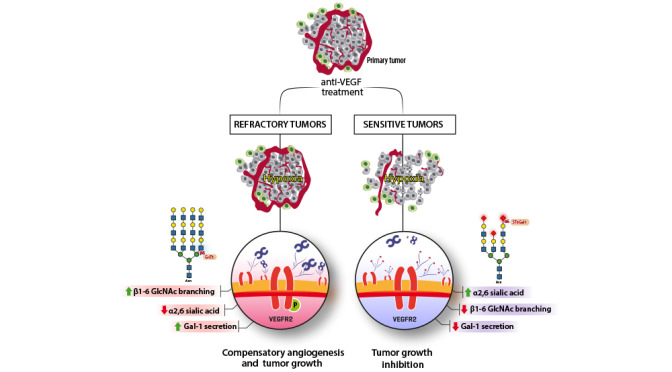
Gal1 Mediated Resistance To Anti Vegf Therapy Rabinovich Lab

Lapse In Care May Yield Lost Visual Acuity In Amd

Treat Science Of Rvo

Mmp 9 Liver Tissue Concentration After Mct Anti Vegf Vegf Treatment Download Scientific Diagram
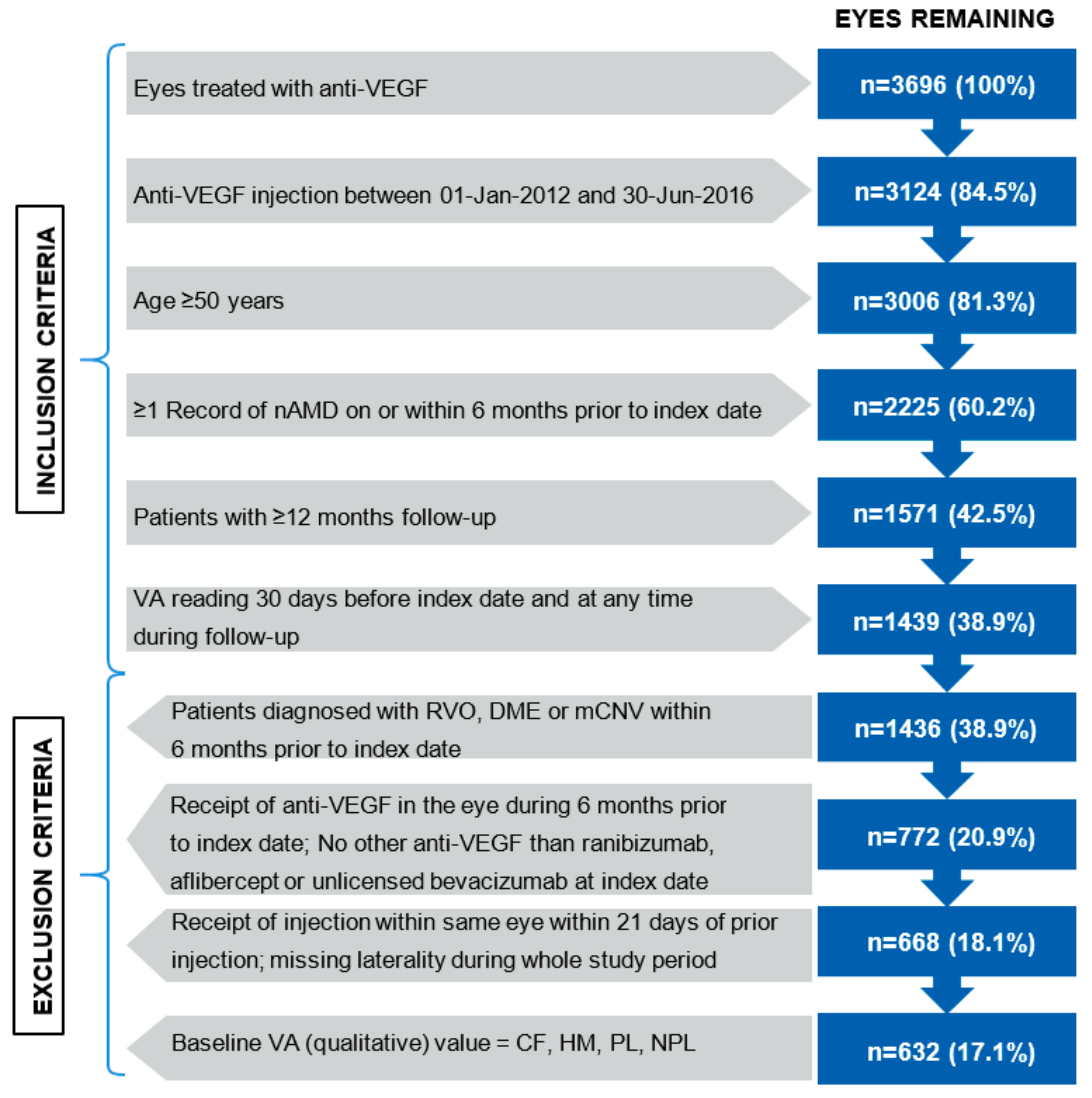
Vision Free Full Text Treat And Extend Treatment Interval Patterns With Anti Vegf Therapy In Namd Patients Html
Q Tbn And9gcqi6j0gzpzcoef2u0s64zyvg5avvrvcric4adb9sjvwkhs4zlwo Usqp Cau
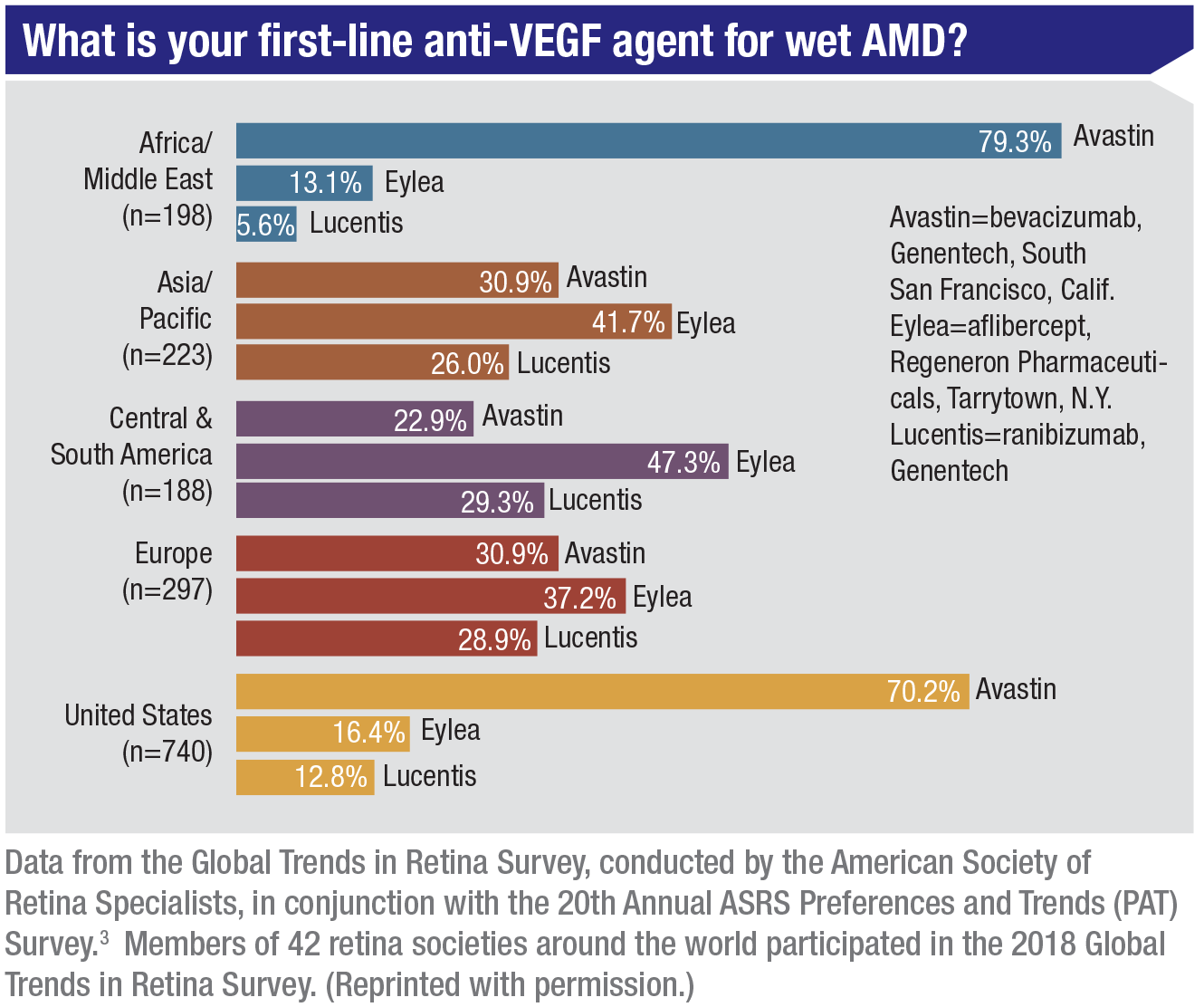
Anti Vegf 19 The State Of The Art
Anti Vegf S In Ophthalmology

Application Of Automated Quantification Of Fluid Volumes To Anti Vegf Therapy Of Neovascular Age Related Macular Degeneration Ophthalmology
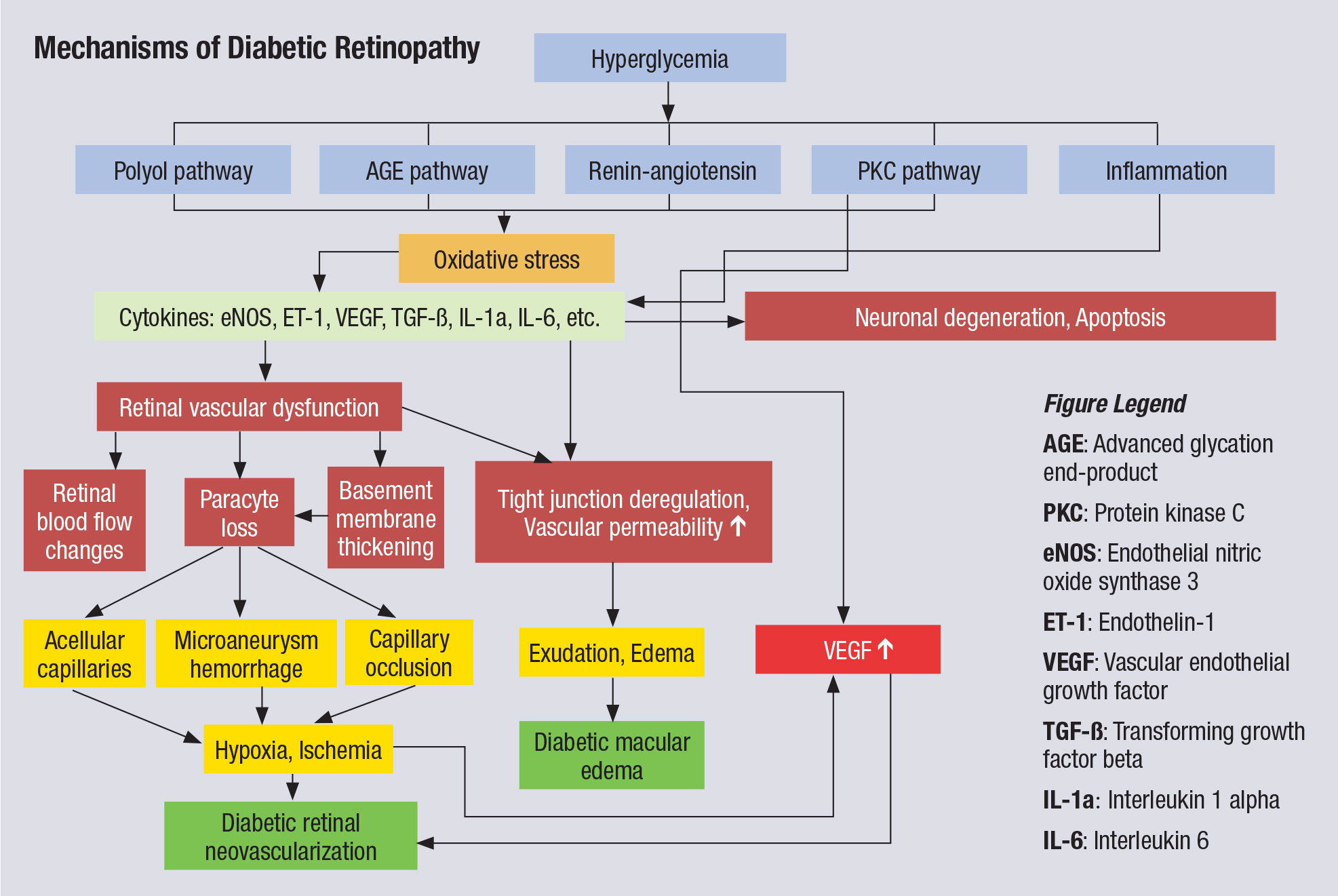
Reconsider Your Approach To Diabetic Retinopathy

Anti Vegf Therapy Effective In Treating High Risk Nonproliferative Diabetic Retinopathy Without Diabetic Macular Edema Consult Qd

Novel Predictors Of Visual Outcome In Anti Vegf Therapy For Myopic Choroidal Neovascularization Derived Using Oct Angiography Ophthalmology Retina

Review Of Neovascular Age Related Macular Degeneration Treatment Options Ajmc

Change In Thyroid Gland Perfusion After Anti Vegf Therapy Studied By Means Of 15o H2o Pet Journal Of Nuclear Medicine

Anti Vegf Therapy In Ophthalmology

Anti Vegf Treatment For Wet Armd

Treat Science Of Dme

Rationally Combining Anti Vegf Therapy With Checkpoint Inhibitors In Hepatocellular Carcinoma Immunotherapy

Anti Vegf Therapy Induces Ecm Remodeling And Mechanical Barriers To Therapy In Colorectal Cancer Liver Metastases Science Translational Medicine
Amd Anti Vegf Therapy By Med Learning Group
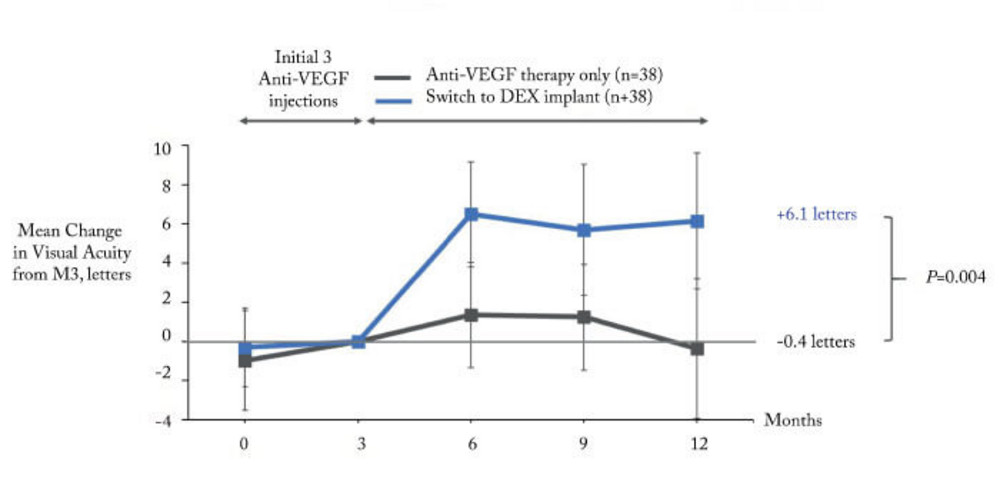
Responding To Non Responders

Mechanisms Of Evasive Resistance To Anti Vegf Therapy In Glioblastoma Cns Oncology

Older Patients With Melanoma May Have Poorer Response To Anti Vegf Therapy

Schematic Representation Of Anti Vegf Therapy During Tumor Download Scientific Diagram

Treat Science Of Rvo

Retina Today Treatment Of Rop With Anti Vegf Therapy A Chilean Perspective September 17
Management Of Submacular Hemorrhage American Academy Of Ophthalmology
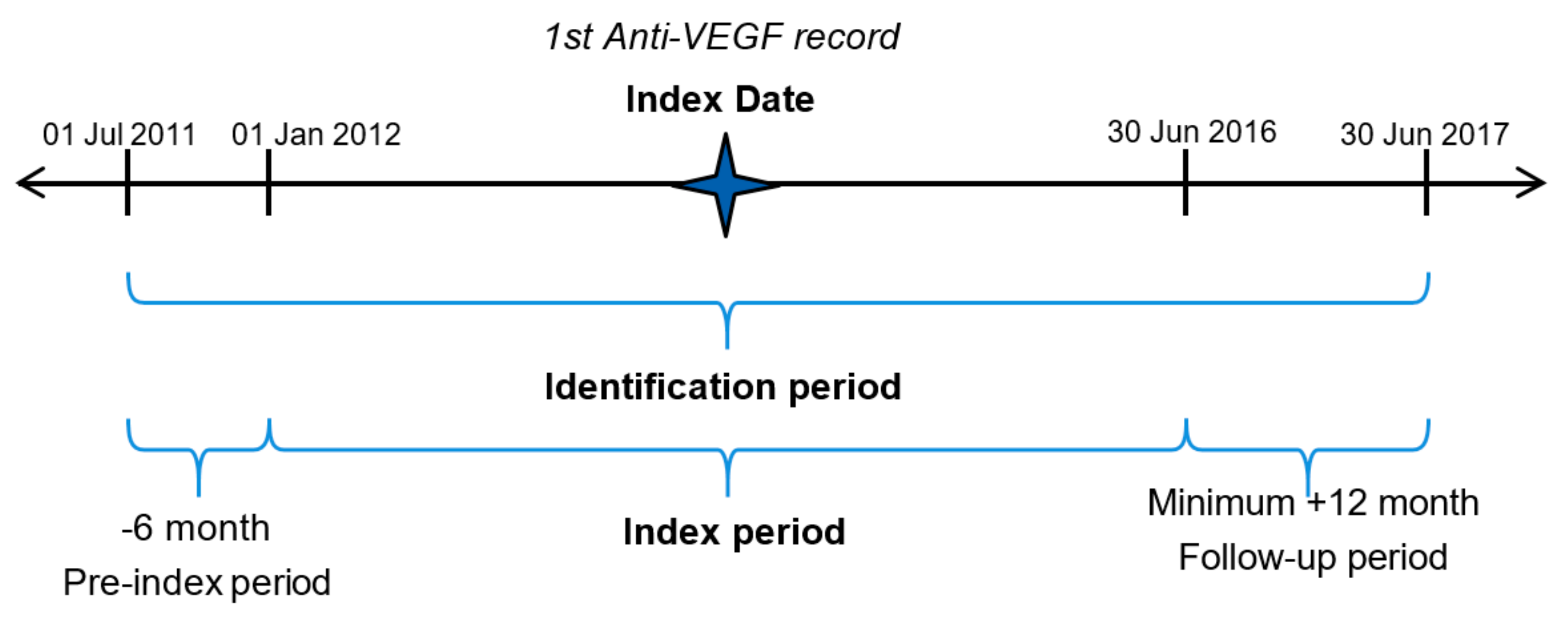
Vision Free Full Text Treat And Extend Treatment Interval Patterns With Anti Vegf Therapy In Namd Patients Html
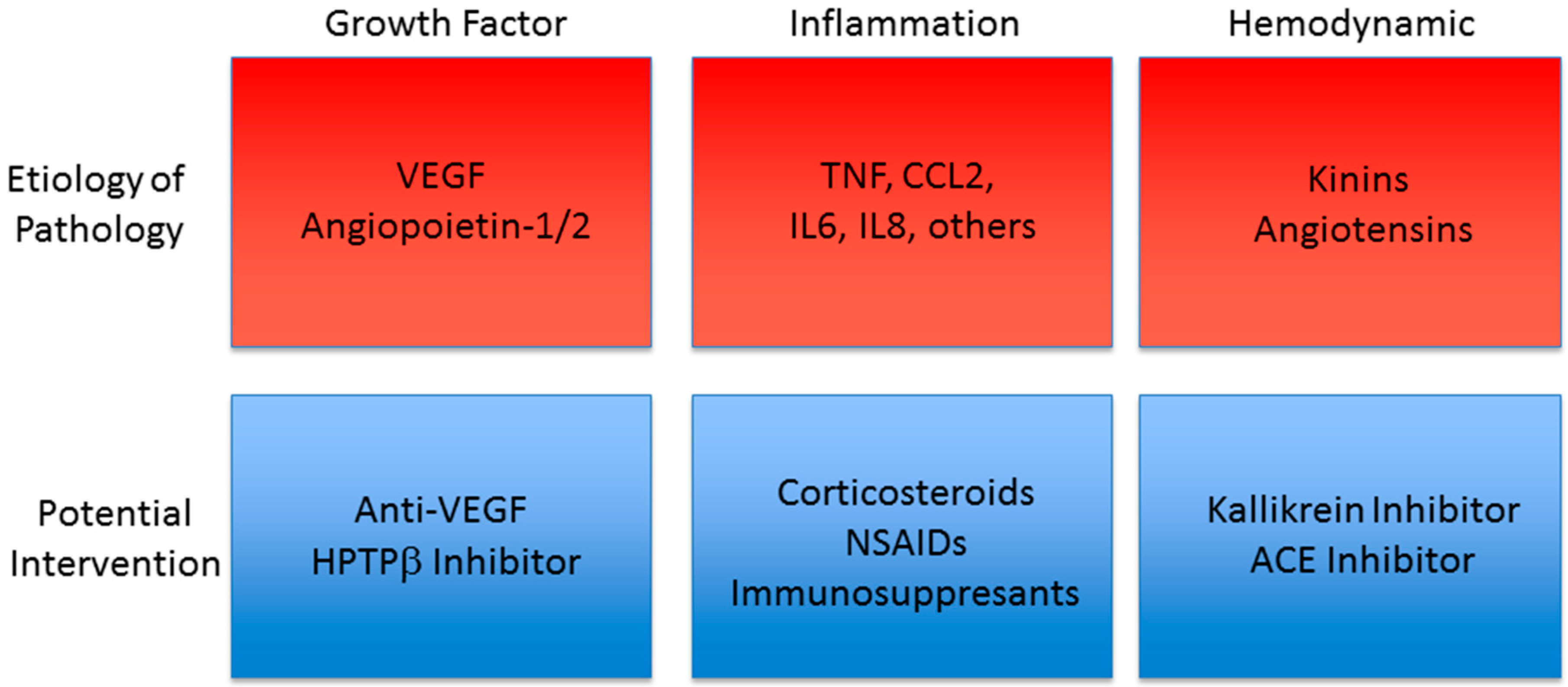
Ijms Free Full Text Moving Past Anti Vegf Novel Therapies For Treating Diabetic Retinopathy
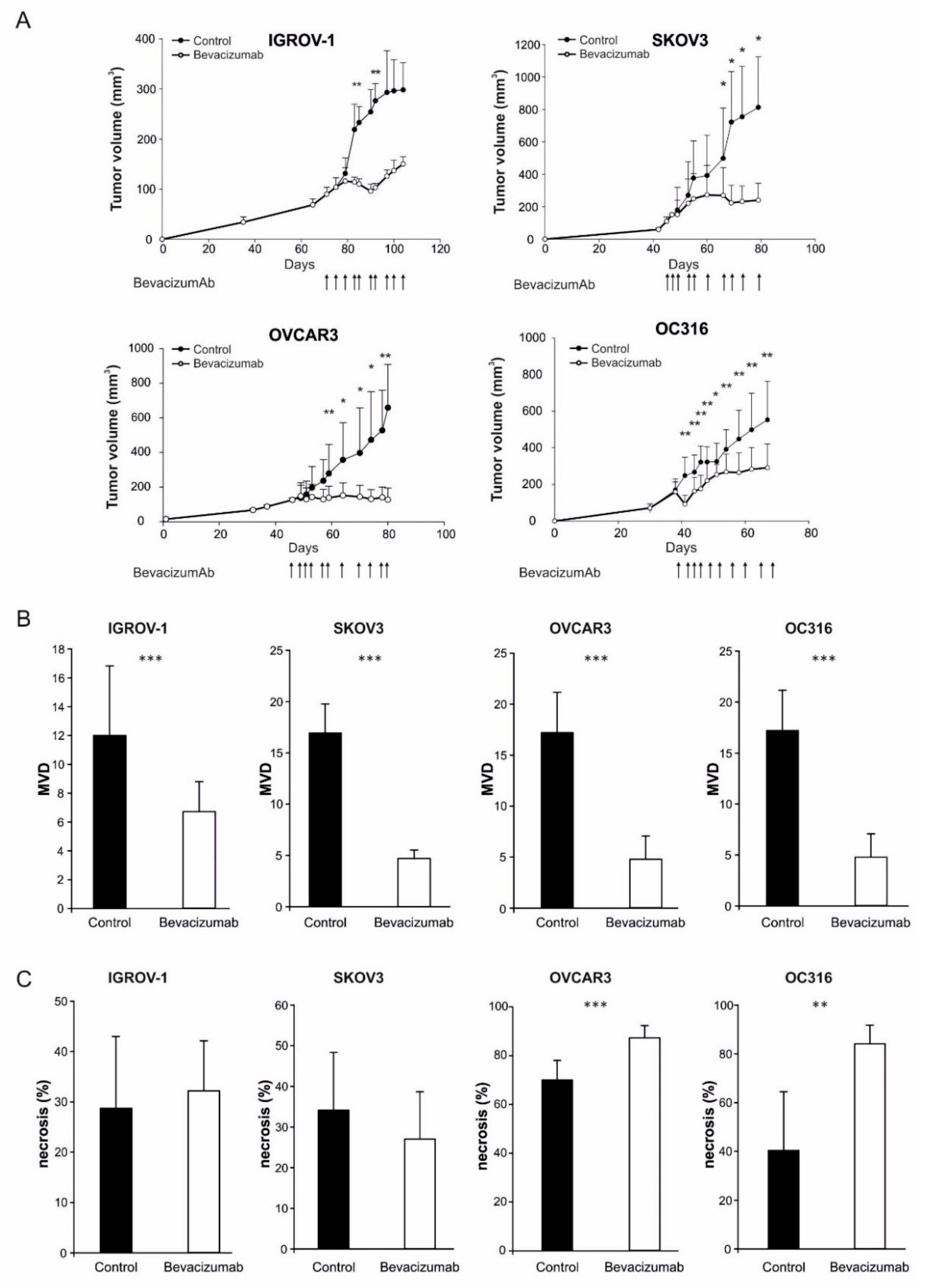
Cells Free Full Text Rewiring Of Lipid Metabolism And Storage In Ovarian Cancer Cells After Anti Vegf Therapy

Optical Coherence Tomography Angiography To Distinguish Changes Of Choroidal Neovascularization After Anti Vegf Therapy Monthly Loading Dose Versus Pro Re Nata Regimen
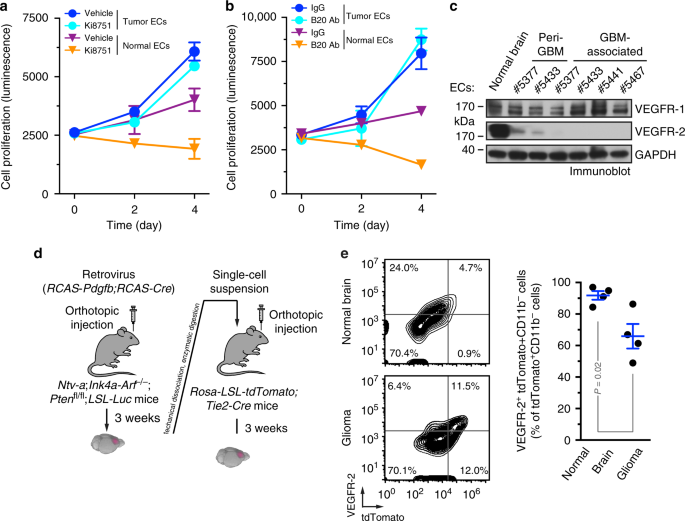
Pdgf Mediated Mesenchymal Transformation Renders Endothelial Resistance To Anti Vegf Treatment In Glioblastoma Nature Communications

Additional Inhibitor Can Help Anti Vegf Therapy Overcome Resistance In Deadly Brain Cancer Pr News
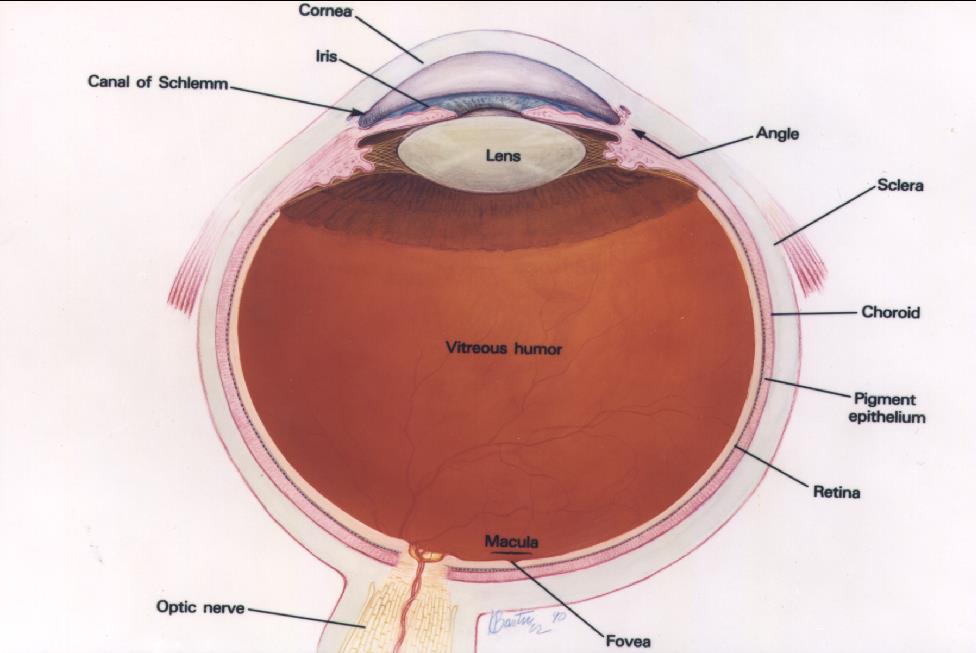
Anti Vegf Treatment Of Macular Degeneration Science Based Success Science Based Medicine

Anti Vegf Therapy And Cardiovascular Toxicities Collaboration To Imp
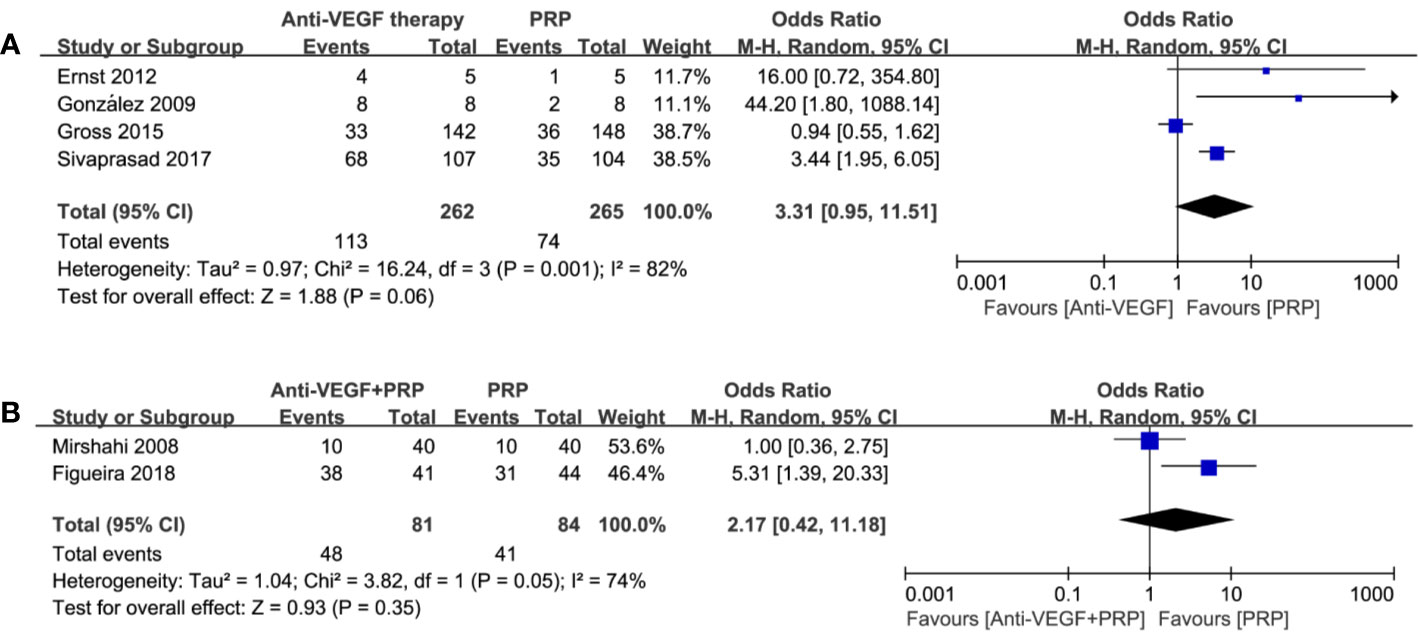
Frontiers Anti Vascular Endothelial Growth Factor Therapy As An Alternative Or Adjunct To Pan Retinal Photocoagulation In Treating Proliferative Diabetic Retinopathy Meta Analysis Of Randomized Trials Pharmacology

Anti Vegf For The Management Of Diabetic Macular Edema

Vegf Signaling Cascade And Anti Vegf Therapy Quoted From Reference 57 Download Scientific Diagram
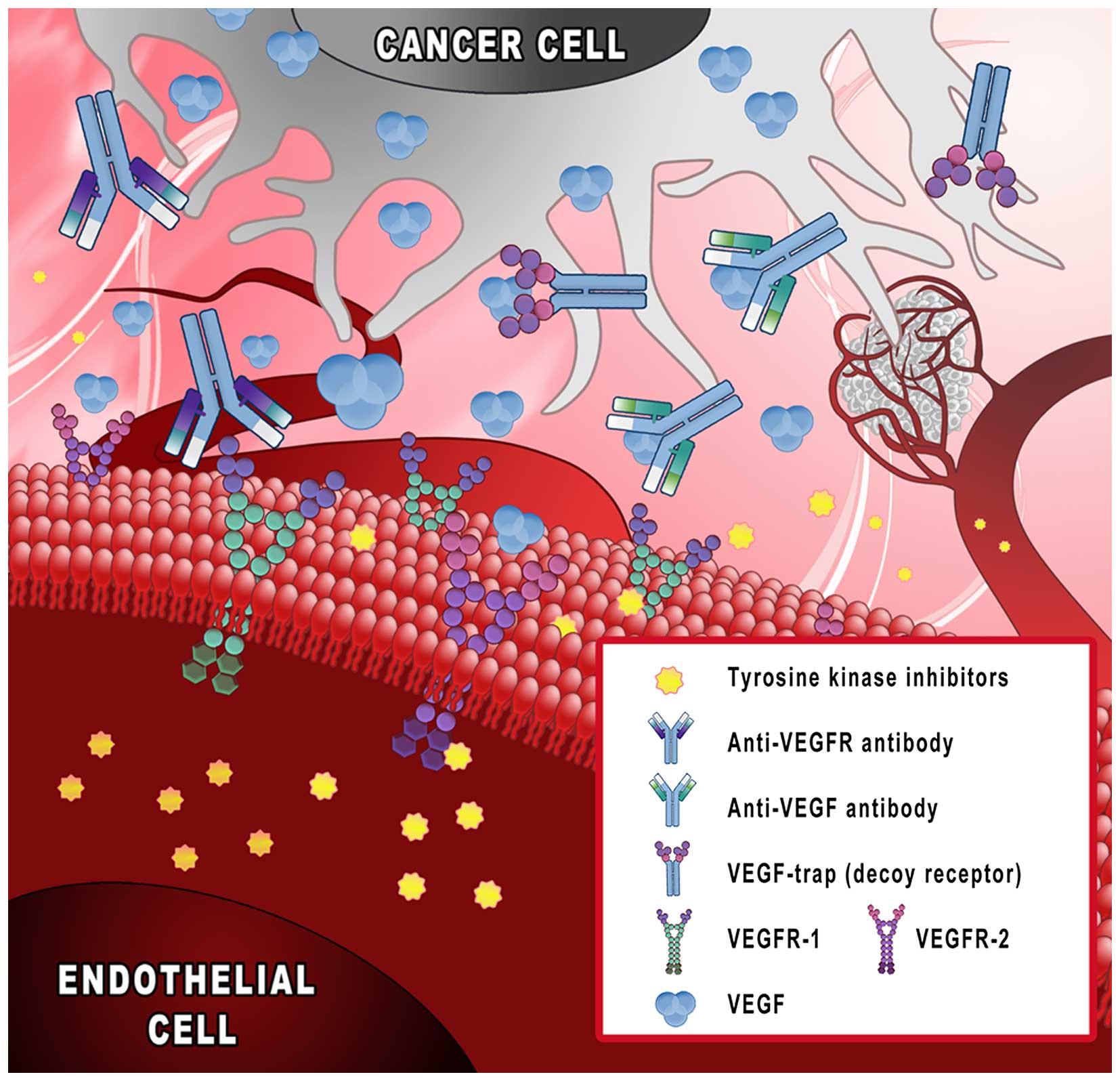
Antiangiogenic Cancer Treatment The Great Discovery And Greater Complexity Review

Retinal Physician Real World Outcomes Of Anti Vegf Therapy In Neovascular Amd In The United States

Predictive Biomarkers To Anti Vegf Therapy Progress Toward An Elusive Goal Clinical Cancer Research

Obesity Promotes Resistance To Anti Vegf Therapy In Breast Cancer By Up Regulating Il 6 And Potentially Fgf 2 Science Translational Medicine
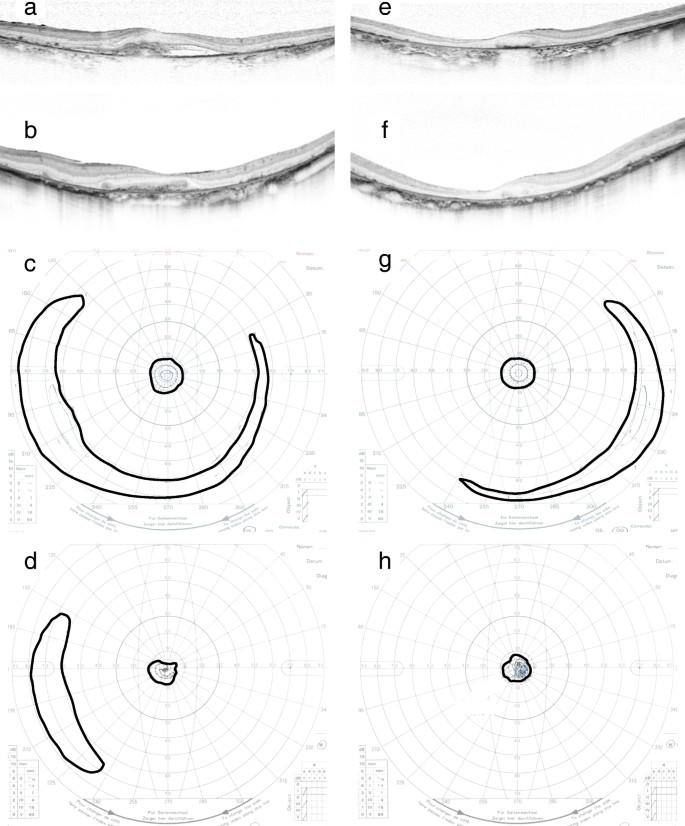
Long Term Efficacy And Safety Of Anti Vegf Therapy In Retinitis Pigmentosa A Case Report Bmc Ophthalmology Full Text
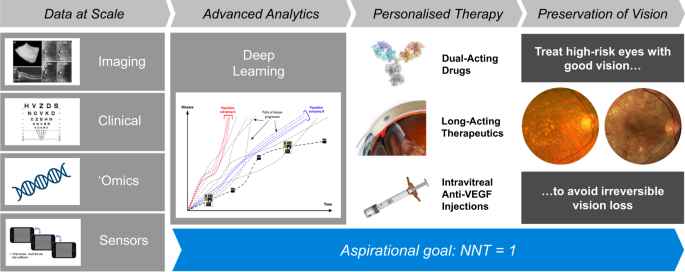
Building On The Success Of Anti Vascular Endothelial Growth Factor Therapy A Vision For The Next Decade Eye

Cyclooxygenase 2 Inhibition Potentiates The Efficacy Of Vascular Endothelial Growth Factor Blockade And Promotes An Immune Stimulatory Microenvironment In Preclinical Models Of Pancreatic Cancer Molecular Cancer Research
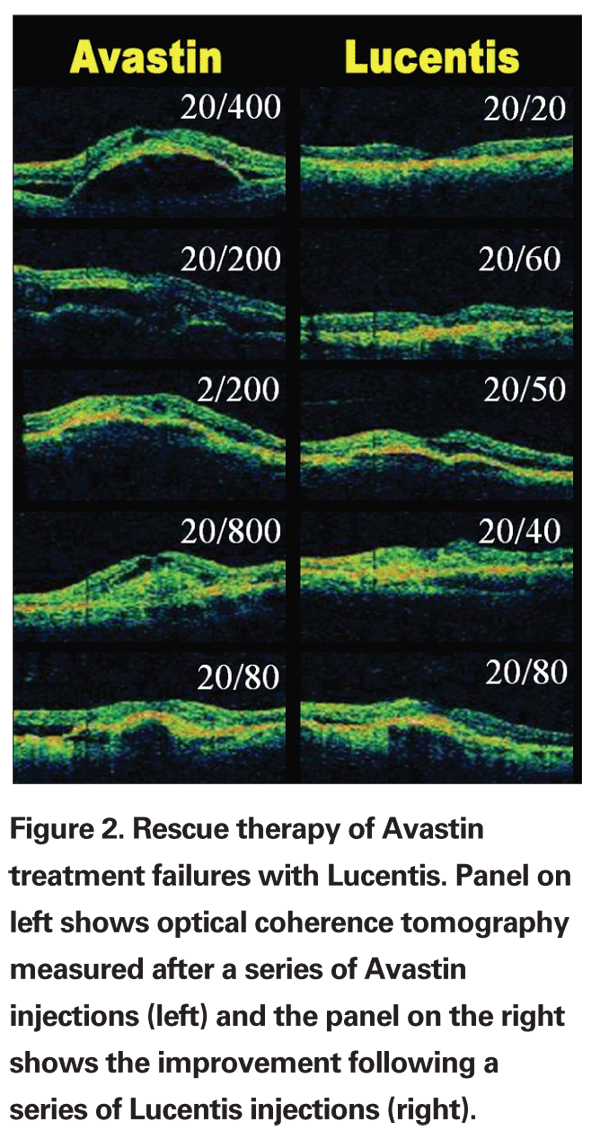
When Anti Vegf Treatment Fails

Ocular Anti Vegf Therapy For Diabetic Retinopathy Overview Of Clinical Efficacy And Evolving Applications Diabetes Care

Anti Vegf Therapy May Not Improve Outcomes In Diabetic Macular Edema Endocrinology Advisor
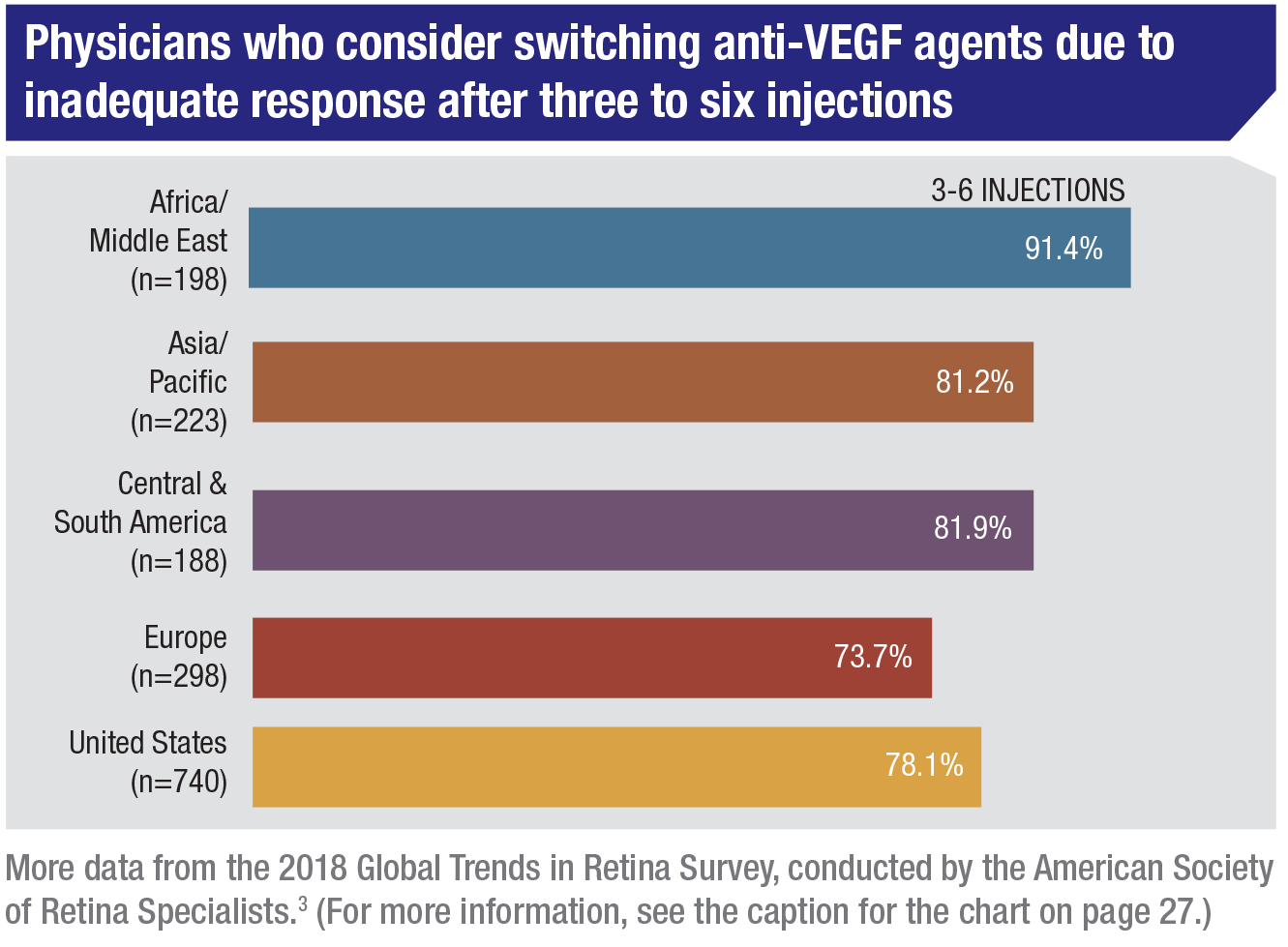
Anti Vegf 19 The State Of The Art
Long Term Anti Vegf Effect Six Questions Answered

Treatment Of Rop With Anti Vegf Therapy A Chilean Perspective Retina Today

Ocular Anti Vegf Therapy For Diabetic Retinopathy The Role Of Vegf In The Pathogenesis Of Diabetic Retinopathy Diabetes Care
Q Tbn And9gcsbn1ykmtbrbjxwfhh Zczbfzrlmcsnjccnvsamvjvoubeicu6z Usqp Cau

Anti Vegf Therapy Induces Ecm Remodeling And Mechanical Barriers To Therapy In Colorectal Cancer Liver Metastases Science Translational Medicine

Rationally Combining Anti Vegf Therapy With Checkpoint Inhibitors In Hepatocellular Carcinoma Immunotherapy
Antivegf Therapy Hertfordshire Herts Eye Surgeon

Possible Mechanism Involved In Anti Vegf Therapy Induced Posterior Download Scientific Diagram
When Anti Vegf Treatment Fails

Gene Therapy Intervention In Neovascular Eye Disease A Recent Update Sciencedirect
Q Tbn And9gcrfiguaysxeaob0aex40fyggr4knvcz7lansqkxlla03ppvdb7i Usqp Cau

Anti Vegf Treatment Improves Neurological Function And Augments Radiation Response In Nf2 Schwannoma Model Pnas

Full Text Resistance To Anti Vegf Therapy In Neovascular Age Related Macular Deg Dddt
Pdf Defining Response To Anti Vegf Therapies In Neovascular Amd Semantic Scholar
Brolucizumab Next Generation Of Anti Vegf Therapy Modern Retina

Long Term Anti Vegf Effect Six Questions Answered

Gene Therapy Intervention In Neovascular Eye Disease A Recent Update Sciencedirect

Mechanisms Of Evasive Resistance To Anti Vegf Therapy In Glioblastoma Cns Oncology
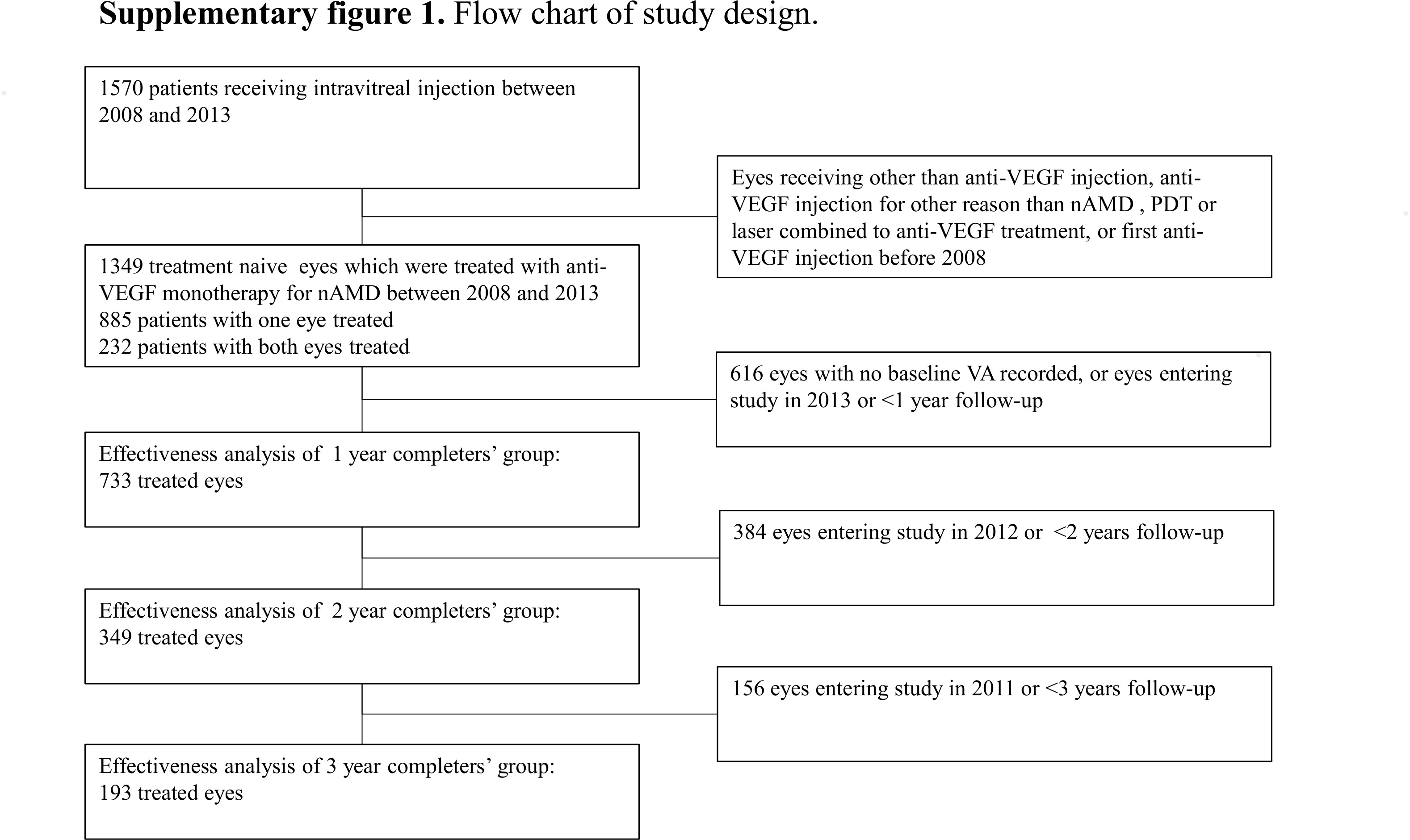
Outcome Of Anti Vascular Endothelial Growth Factor Therapy For Neovascular Age Related Macular Degeneration In Real Life Setting British Journal Of Ophthalmology

An Open Source Dataset Of Anti Vegf Therapy In Diabetic Macular Oedema Patients Over Four Years Their Visual Outcomes Medrxiv

What Is New With Anti Vegf Therapy For Dme Retina Today

Using The Past To Inform The Future Anti Vegf Therapy As A Road Map To Develop Novel Therapies For Diabetic Retinopathy Diabetes

Full Text Intravitreal Anti Vegf Injections For Treating Wet Age Related Macular Dddt

Anti Vegf Treatments Visual Surgery

Anti Vegf Treatment Improves Neurological Function And Augments Radiation Response In Nf2 Schwannoma Model Pnas
Plos One The Association Of Alternate Vegf Ligands With Resistance To Anti Vegf Therapy In Metastatic Colorectal Cancer
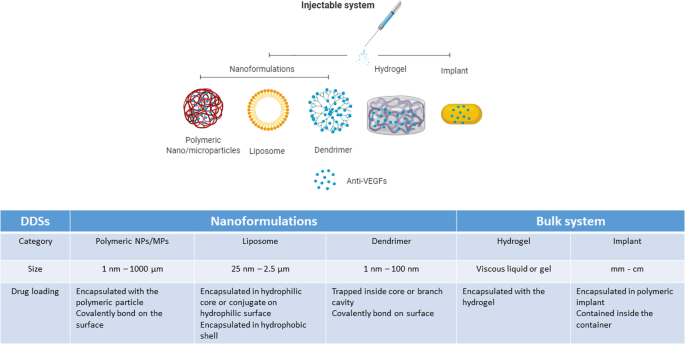
Use Of Biomaterials For Sustained Delivery Of Anti Vegf To Treat Retinal Diseases Eye

Pin On Age Related Macular Degeneration

Primary Anti Vascular Endothelial Growth Factor Vegf Refractory Metastatic Renal Cell Carcinoma Clinical Characteristics Risk Factors And Subsequent Therapy Annals Of Oncology
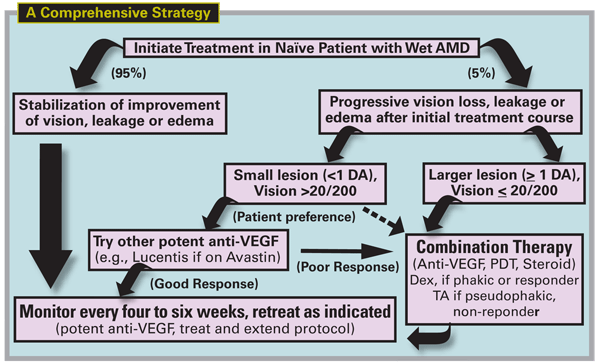
When Anti Vegf Treatment Fails

Glioblastoma Resistance To Anti Vegf Therapy Has The Challenge Been Met Clinical Cancer Research

Ocular Anti Vegf Therapy For Diabetic Retinopathy The Role Of Vegf In The Pathogenesis Of Diabetic Retinopathy Diabetes Care


