Fdg Pet Scan Alzheimers Disease
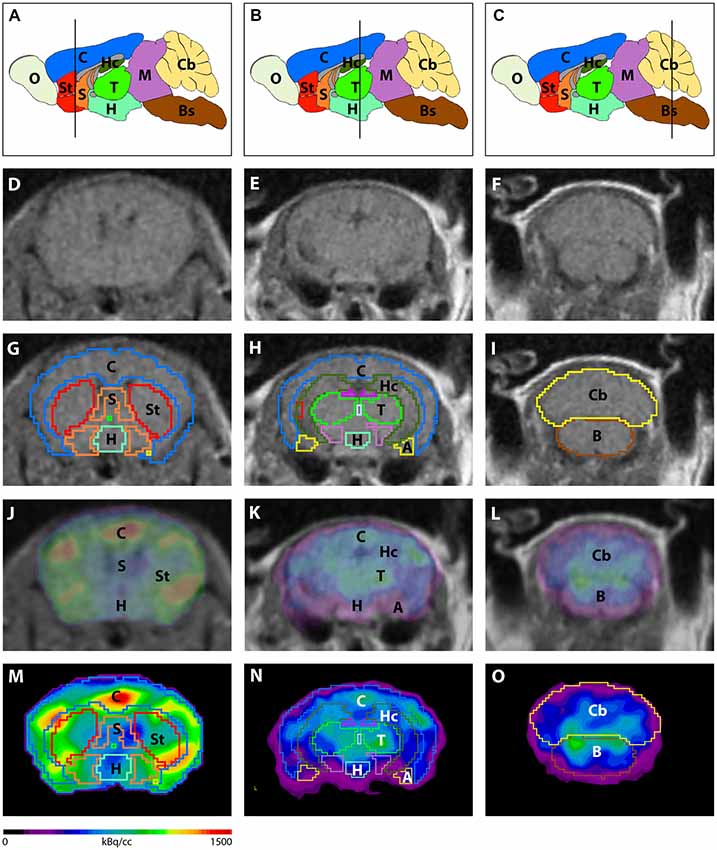
Frontiers 18f Fdg Pet Detects Drastic Changes In Brain Metabolism In The Tg4 42 Model Of Alzheimer S Disease Frontiers In Aging Neuroscience
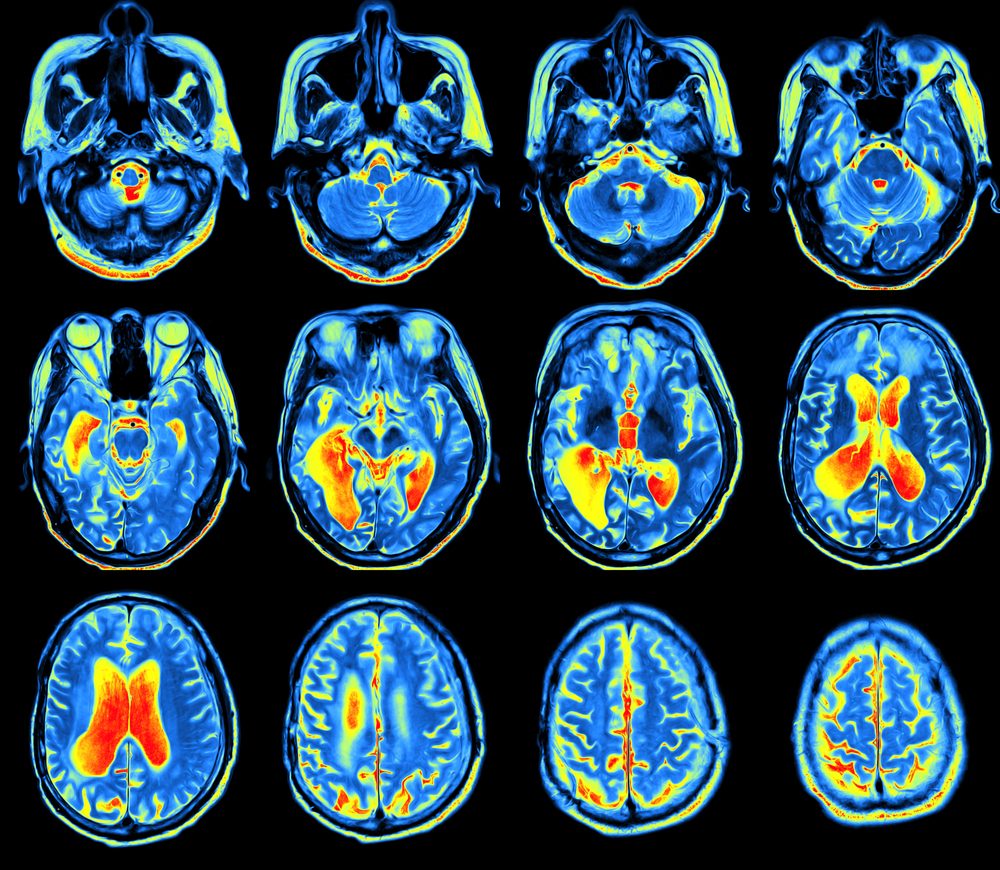
Fdg Pet Scan More Accurately Assesses Alzheimer S Cognitive Decline

Pet Tracer Offers Dual Diagnosis Physics World
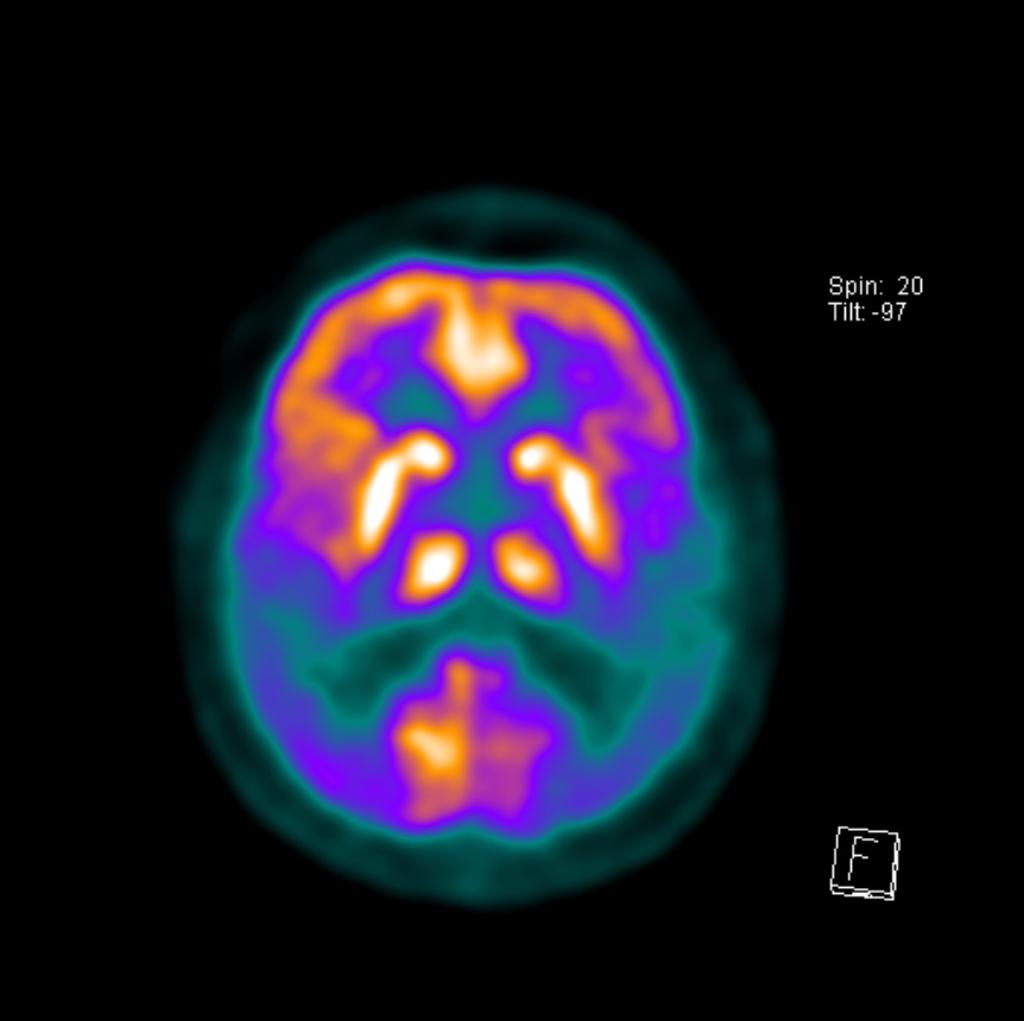
Alzheimer Disease Radiology Case Radiopaedia Org

Early Detection Of Alzheimer S Disease Using Pib And Fdg Pet Sciencedirect
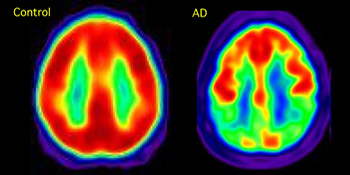
The Alzheimer S Disease Neuroimaging Initiative Alzforum
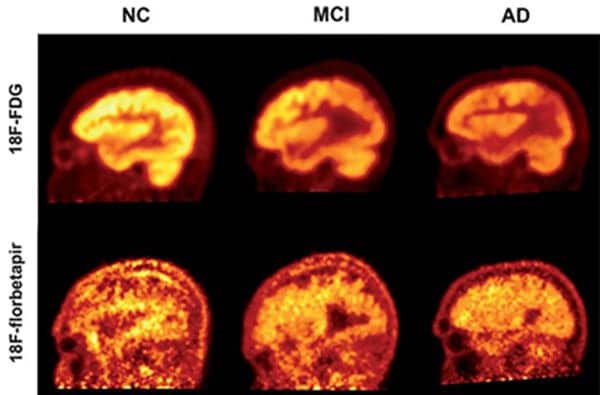
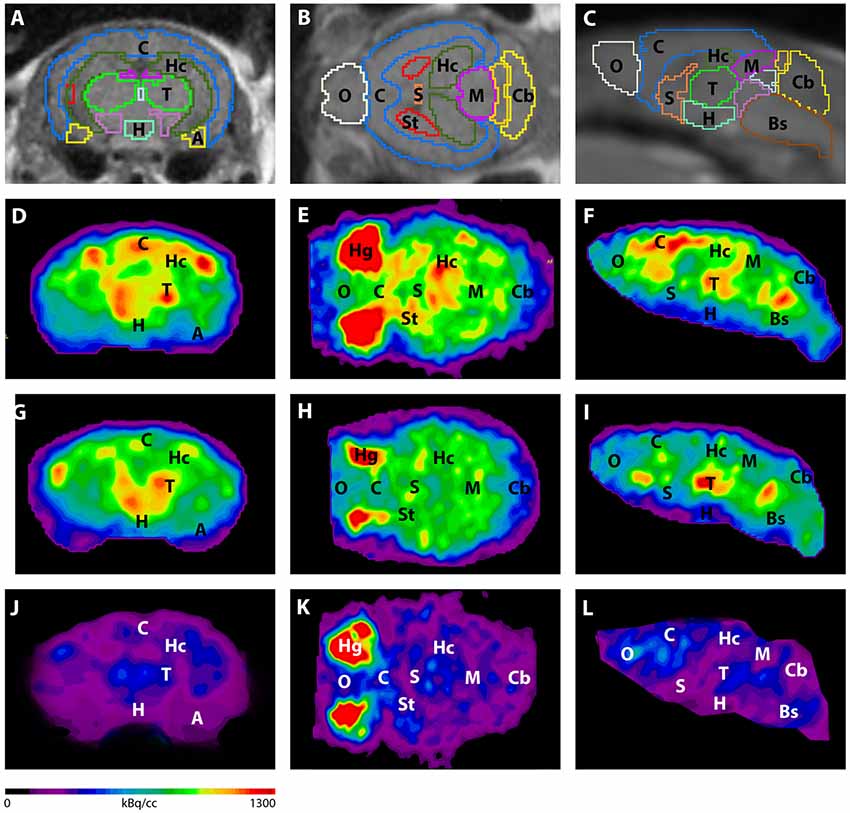
Compared to regular amyloid imaging, fluorodeoxyglucose positron emission tomography (FDG PET), an imaging technique that quantifies brain function by measuring glucose levels, can better assess the progression and severity of cognitive decline in people with Alzheimer’s, and also cognitive impairment, researchers have found.

Fdg pet scan alzheimers disease. Blood ptau181 was measured in. PET scans use radiotracers, radioactive drugs that can measure glucose uptake or a buildup of amyloid plaques in brain tissue Although doctors frequently use the FDGPET to diagnose Alzheimer’s based on glucose consumption, researchers have also started using florbetapir, a drug injection that helps doctors look at amyloid levels in the brain. In addition to structural imaging, molecular imaging with PET is increasingly of value in the diagnosis of Alzheimer disease Braak staging on imaging shows the sequential involvement of various structures as follows 10 Stage I and II earliest involvement of entorhinal cortex Stage III and IV involves limbic system and hippocampus.
One such tool is a PET scan that can detect tau, the other hallmark abnormal protein in Alzheimer's dementia Scientists are investigating a number of disease markers and diagnostic tests, such as genes, diseaserelated proteins and imaging procedures, which may accurately and reliably indicate whether you have Alzheimer's dementia and how much. Cognitive deficits appear in the late stage of the disease in about 41% of the patients with PD;. Baseline plasma ptau181 levels were tied to cognitive decline plus concurrent and prospective neurodegeneration in Alzheimer'scharacteristic brain regions on MRI and FDGPET.
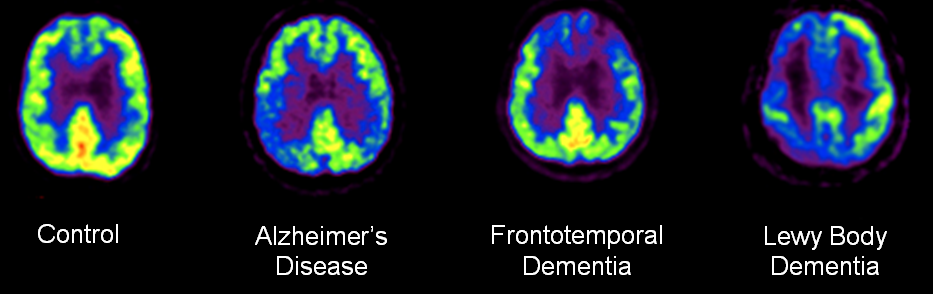
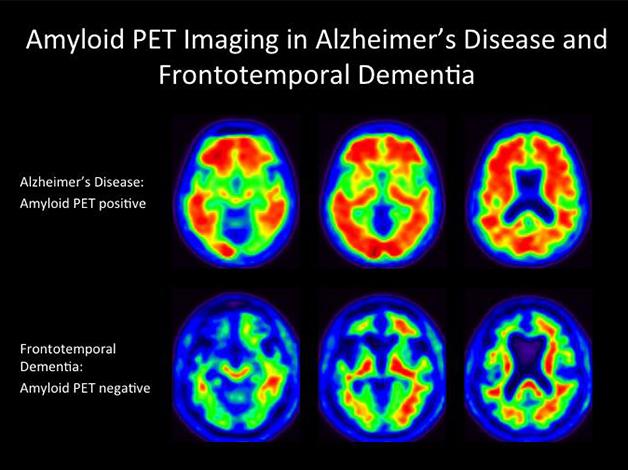
Amyloid PET Imaging can be used as an aid in the diagnosis of Alzheimer’s disease Here is the current status of PET imaging for this purpose INFO@DMSHEALTHCOM REQUEST AN ESTIMATE. Dementia is a common disease in the elderly with a rising incidence with increasing age Diagnosis is crucial for determining patient care and directing the lines of treatment to decrease the rate of dementia progression 1,2 There are number of degenerative diseases that cause dementia including Alzheimer’s disease (AD), dementia with Lewy bodies (DLB), and frontotemporal lobar degeneration. Clusters of similar decline trajectories were identified for patients with relevant baseline fluorodeoxyglucose positron emission tomography (FDG‐PET) imaging data (N=530) using mini‐mental state examination (MMSE), clinical dementia rating sum of boxes (CDR‐SB), Alzheimer’s disease assessment scale (ADAS‐13), and functional activities questionnaire (FAQ) assessment scores.
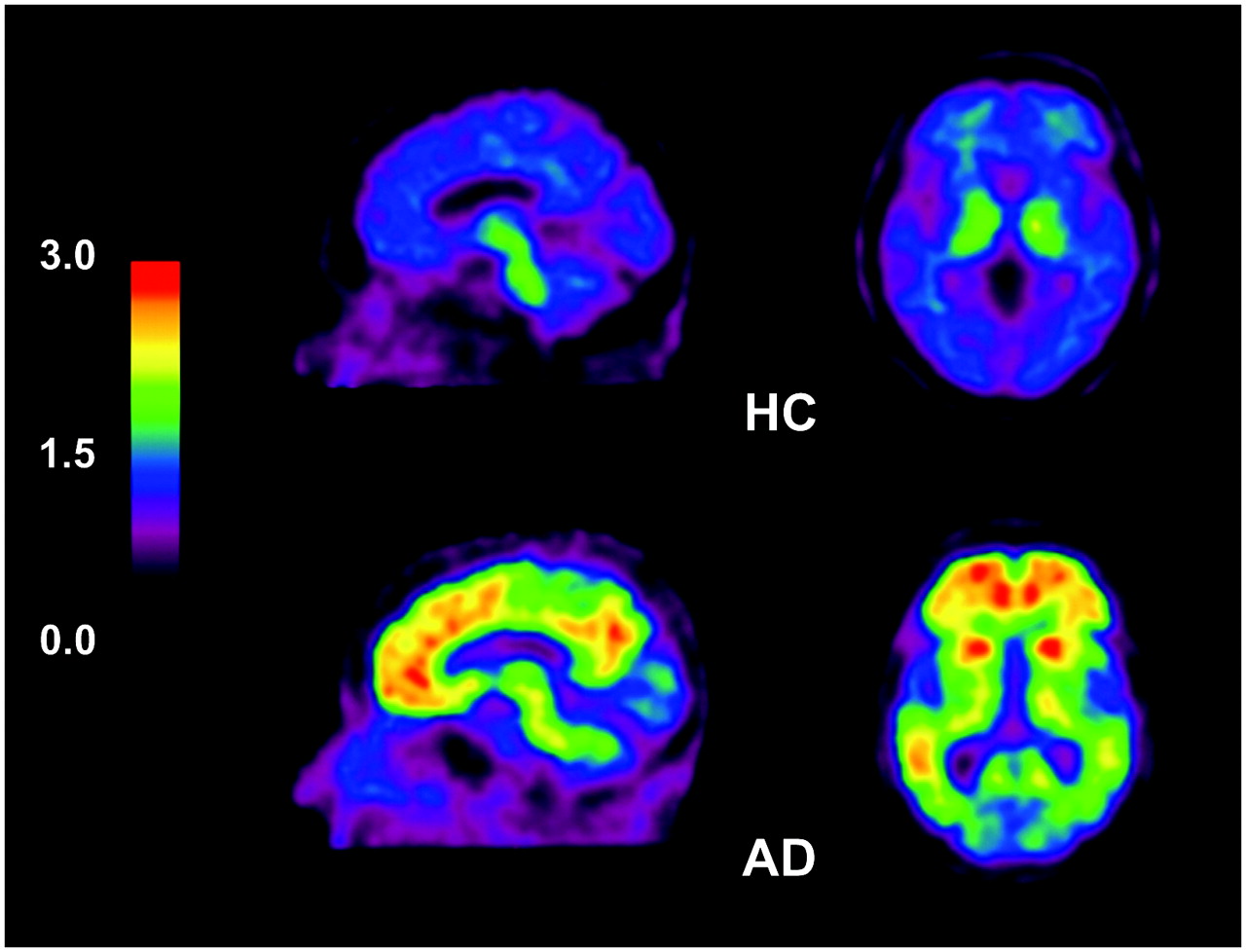
The aim of this study is to identify mild cognitive impairment (MCI) due to Alzheimer’s disease (AD) using amyloid imaging of beta amyloid (Aβ) deposition and FDG imaging of reflecting neuronal dysfunction as PET biomarkers Sixtyeight MCI patients underwent cognitive testing, 11CPIB PET and 18FFDG PET at baseline and followup. Compared to regular amyloid imaging, fluorodeoxyglucose positron emission tomography (FDG PET), an imaging technique that quantifies brain function by measuring glucose levels, can better assess the progression and severity of cognitive decline in people with Alzheimer’s, and also cognitive impairment, researchers have found. Dementia syndromes present a diagnostic challenge given their overlapping clinical features and insidious presentations Cerebral 2deoxy2 F18fluoroglucose (FDG) positron emission tomography (PET) is a functional imaging modality commonly used in the evaluation of dementia.
An FDGPET scan may be used in suspected cases of Alzheimer's disease Typically, a patient undergoing a FDGPET scan gets an injection of the FDG into a vein The radioactive sugar moves throughout the blood system and travels to places that need it most. Alzheimer's disease dementia ¹⁸F‐FDG PET 14 150/421 76 (54 to 90) 385 (22 ‐ 50) 174 285 Key feature of the results the current evidence does not support the routine use of ¹⁸F‐FDG PET scan in clinical practice ¹⁸F‐FDG PET scan is a high‐cost investigation, and it is therefore important to clearly demonstrate. Background Reduced 18 Ffluorodeoxyglucosepositron emission tomography (FDGPET) brain metabolism was recognized as a biomarker of neurodegeneration in the recently proposed ATN framework for Alzheimer’s disease (AD) biological definition However, accumulating evidence suggested it is an independent biomarker, which is denoted as “F” in the very study.
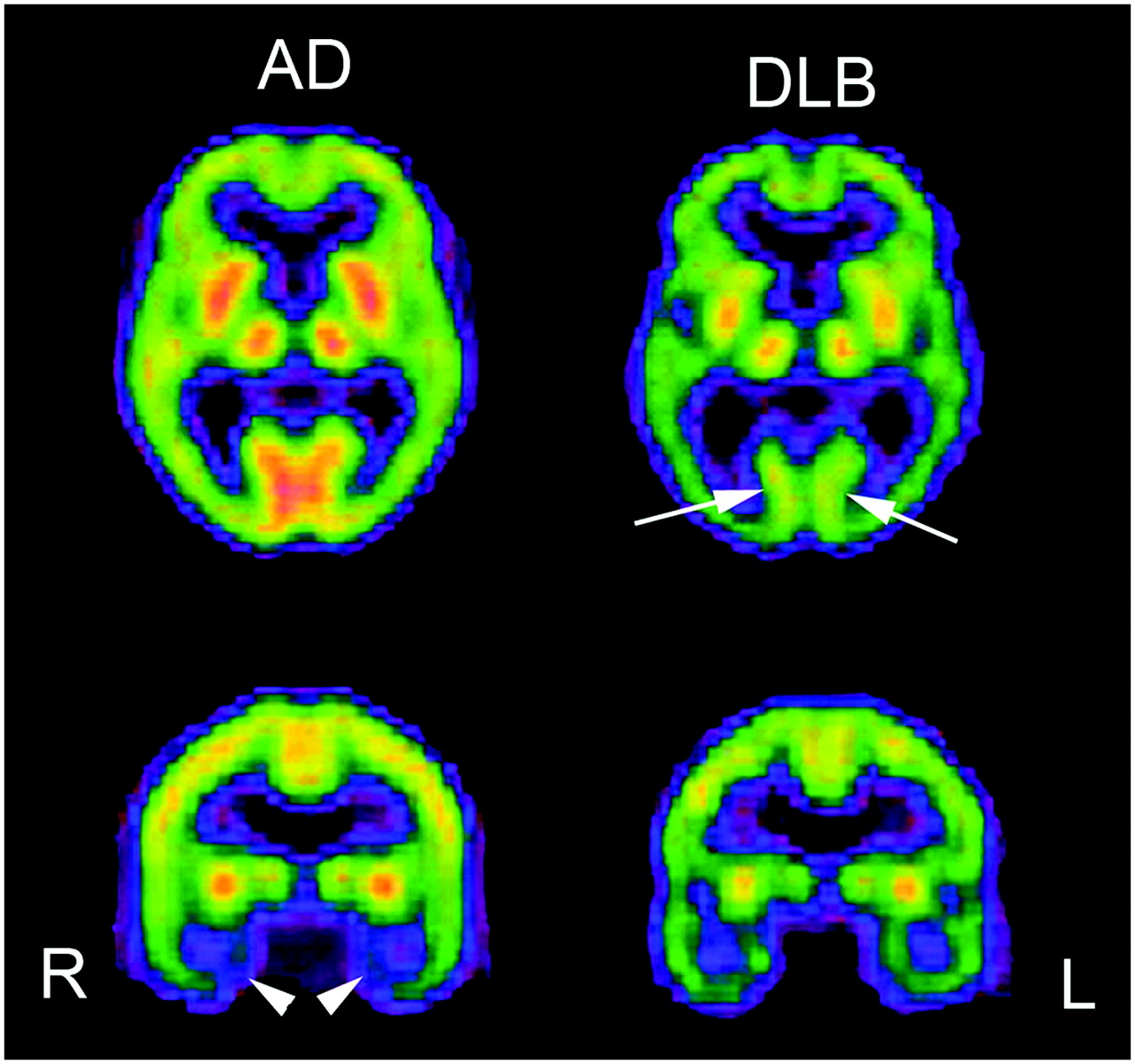
Blood ptau181 was measured in. Of these, 378 were cognitively normal, 537 had mild cognitive impairment (MCI), and 198 AD dementia Participants had at least one FDG PET or structural MRI scan collected each time blood was taken Blood samples were taken for up to eight years and stored;. FDGPET outshines SPECT for Alzheimer's disease By Wayne Forrest, AuntMinniecom contributing writer November 14, 14 British researchers recommend FDGPET over perfusion SPECT to diagnose and differentiate Alzheimer's disease from dementia with Lewy bodies after the hybrid modality proved its "significant superiority" in a study published online November 5 in the Journal of Nuclear Medicine.
Hippocampal atrophy may be seen on conventional crosssectional imaging 10,11 Hoffman et al showed that FDGPET demonstration of the classic metabolic abnormality in patients with pathologically verified AD has a sensitivity of 93%, a specificity of 63%, and an accuracy of % 10 Sparing of primary neocortical areas, including the sensorimotor cortex, visual cortex, subcortical gray matter, basal ganglia, thalami, and cerebellum could help differentiate AD from subcortical causes of. Blood ptau181 was measured in. 18 FFDGPET is particularly useful for early diagnosis, as it can show characteristic patterns of Alzheimer's disease neurodegeneration earlier than MRI in individuals with mild cognitive impairment who will go on to develop Alzheimer's dementia8, 45, 46 Previous studies have shown the added value of 18 FFDGPET over routine CSF or MRI tests to predict development of Alzheimer's disease dementia in people with mild cognitive impairment, especially shortterm progression,8, 47, 48 with a.
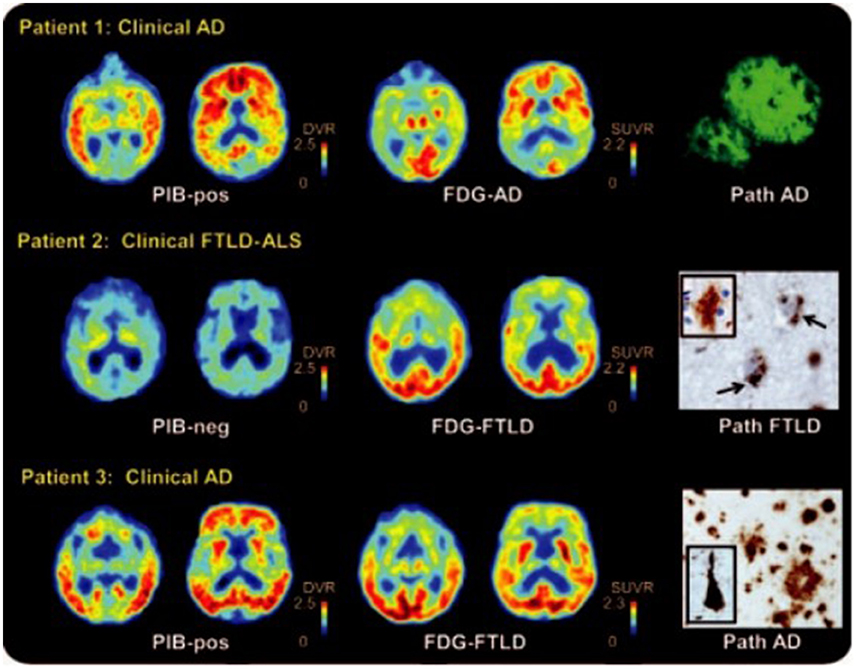
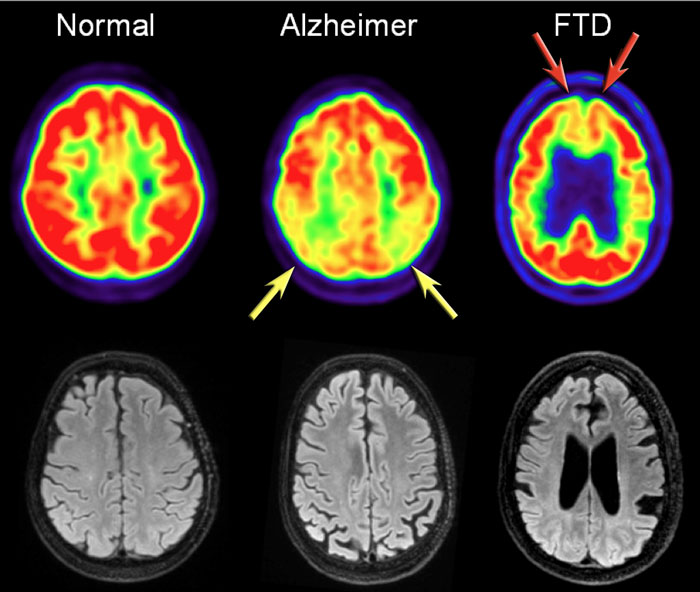
Distinguishing Alzheimer's disease (AD) and frontotemporal dementia (FTD) currently relies on a clinical history and examination, but positron emission tomography with 18 F fluorodeoxyglucose. Higher degree of hypometabolism 9,10 Further, PET scans nowadays incorporate a diagnostic CT allowing structural corelation of the functional changes A recent comparison demonstrated that FDGPET had superior sensitivity and specificity than HMPAOSPECT in the diagnosis of dementia 11 Both HMPAOSPECT and FDGPET involve the administration of. Background Florbetapir (AV45) and fluorodeoxyglucose (FDG) PET imaging are valuable techniques to detect the amyloidβ (Aβ) load and brain glucose metabolism in patients with Alzheimer's disease (AD) Objective The purpose of this study is to access the characteristics of Aβ load and FDG metabolism in brain for further investigating their relationships with cognitive impairment in AD.
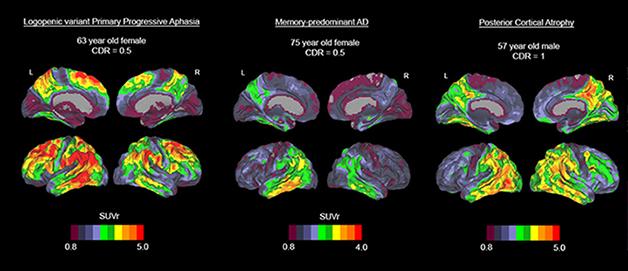
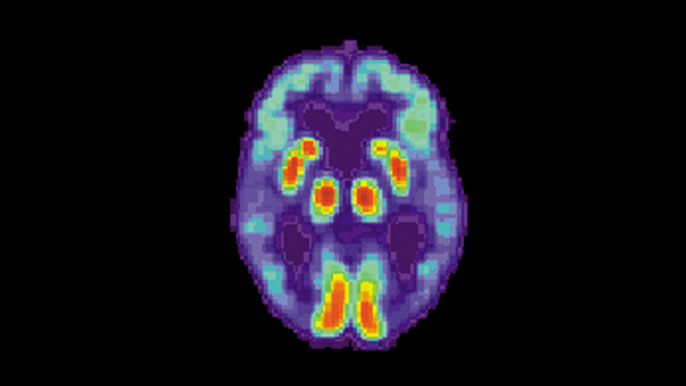
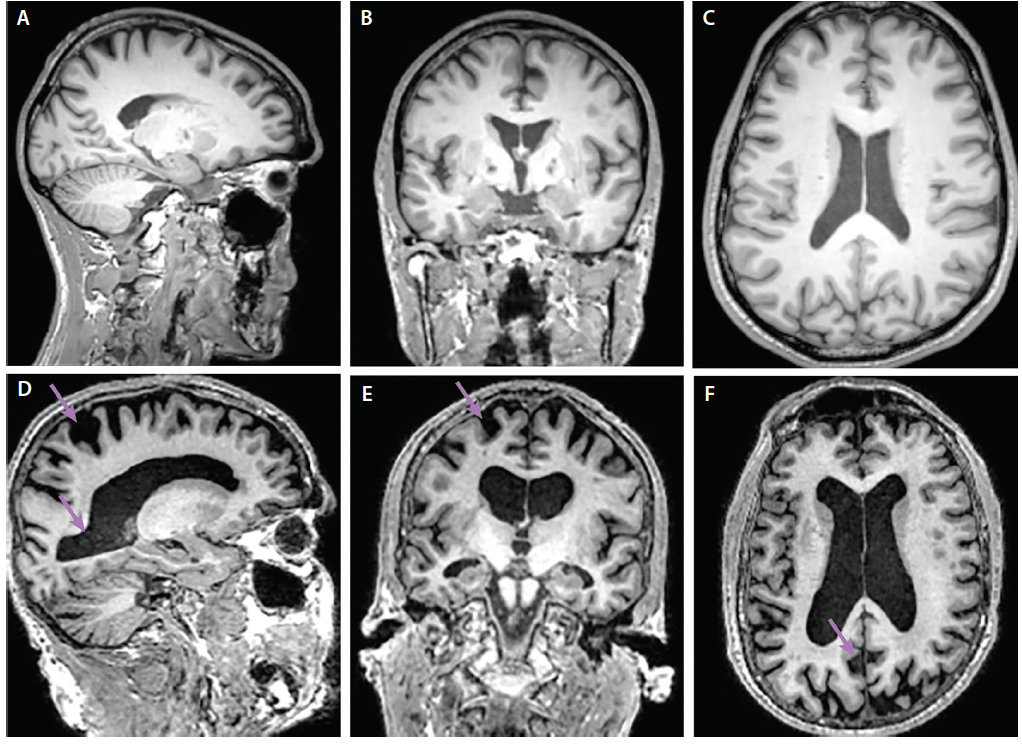
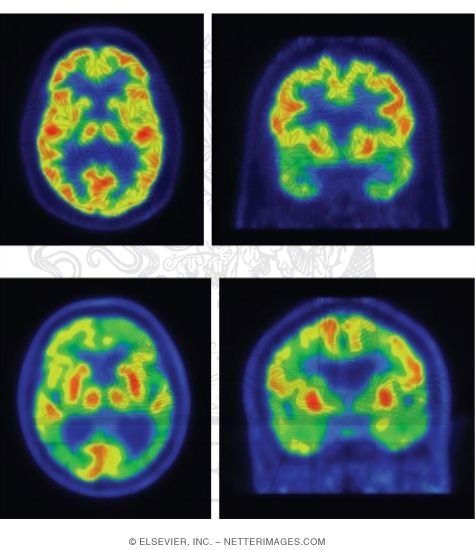
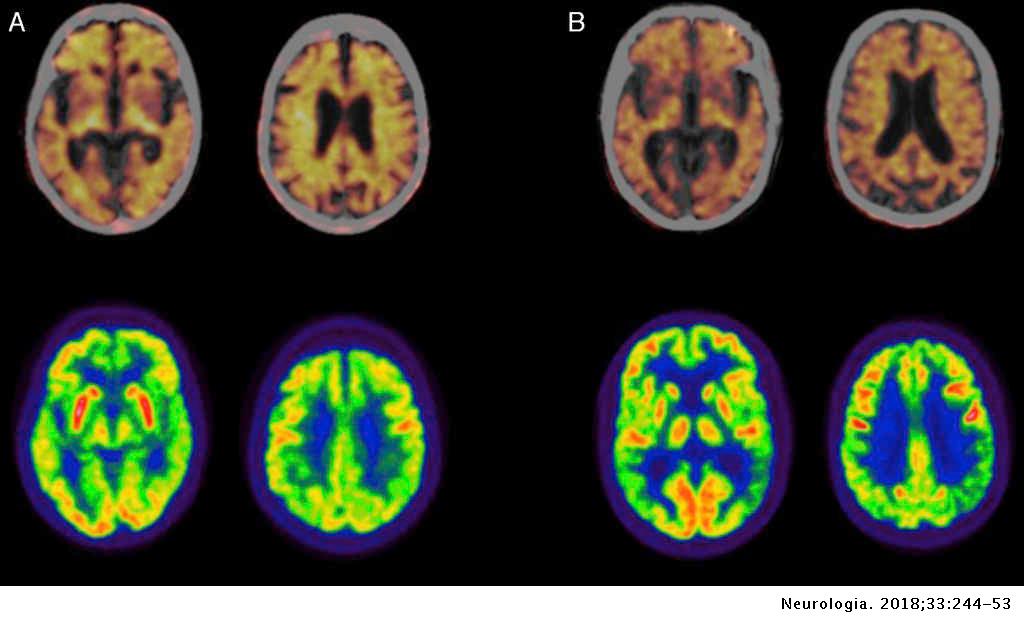
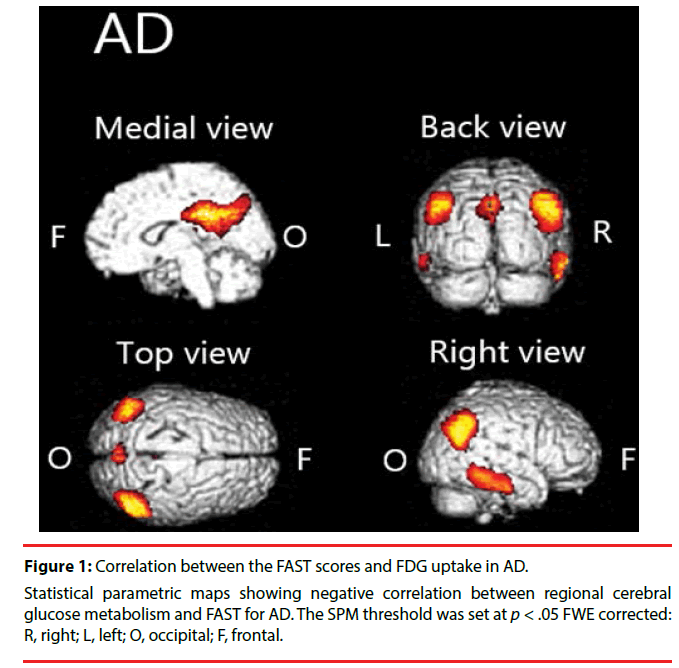
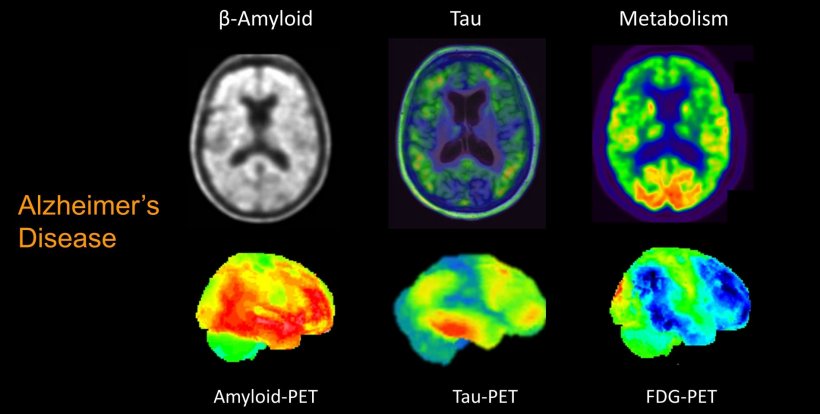
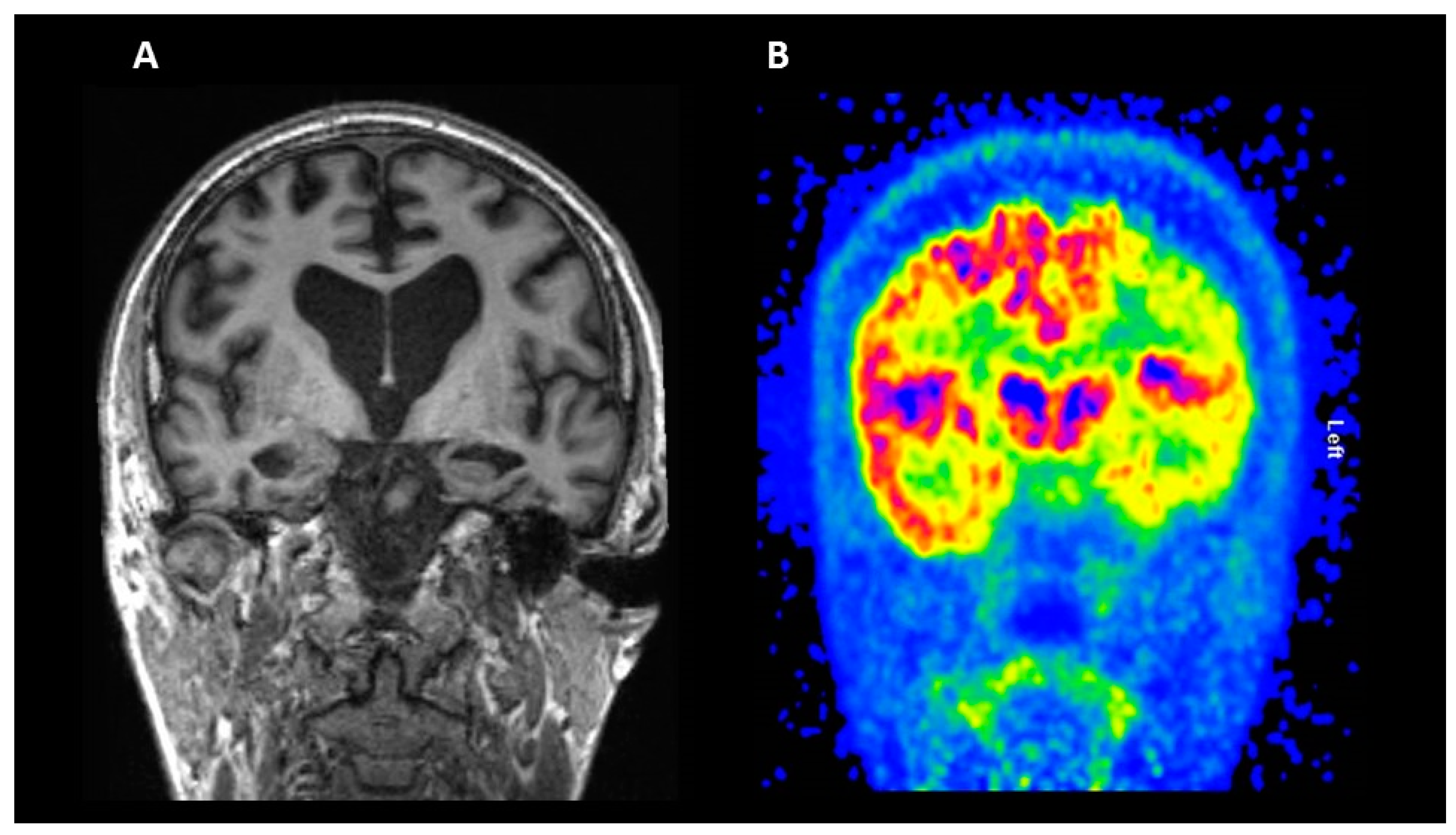
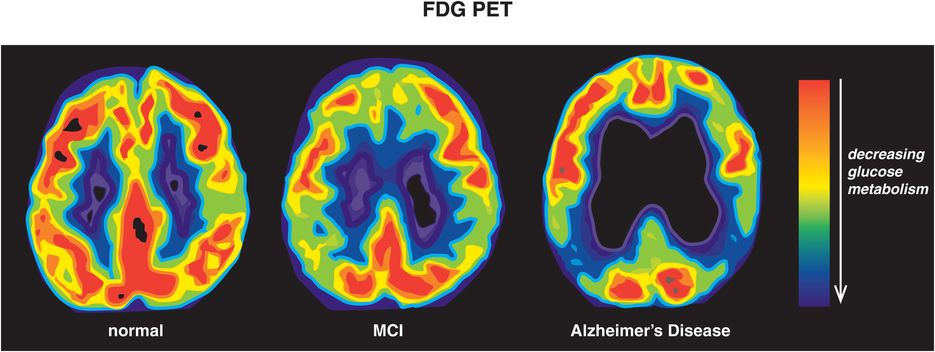
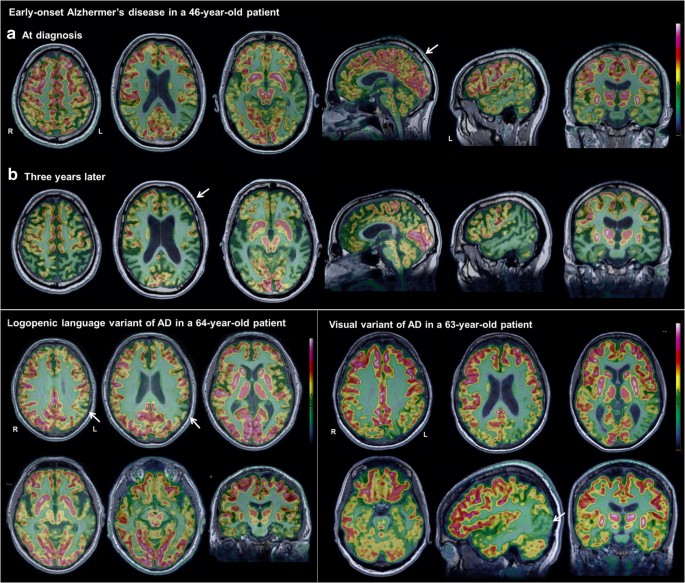
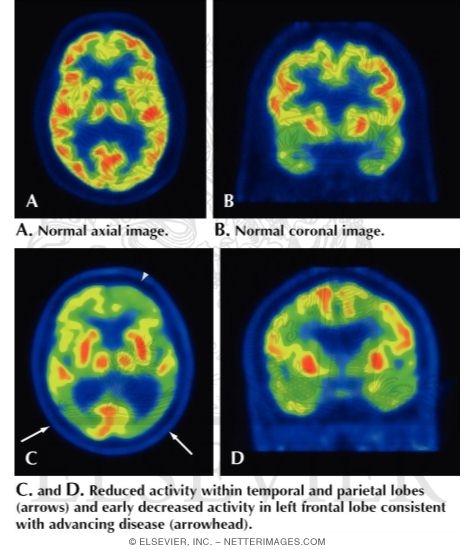
Obtain a brain fluorodeoxyglucose positron emission tomography (FDGPET) scan Order cerebrospinal fluid (CSF) testing for Alzheimer disease biomarkers Reassure and address patient’s concerns and follow up in 1 year Refer for genetic counseling. Kinetic modeling of the nondisplaceable binding potential (BPND) of the 5 P4096 PATTERNS OF 18FFDG PET IN DIFFERENT HT4receptor was performed with the simplified reference tissue model SUBTYPES OF ALZHEIMER’ DISEASE (SRTM) using cerebellum as reference region. The typical pattern of hypometabolic activity in Alzheimer disease on 18 FFDG PET images involves the parietotemporal region, precuneus, and posterior cingulate gyrus, with sparing of the sensorimotor strips and occipital region, which usually corresponds to the atrophic changes depicted on structural images.
Blood ptau181 was measured in. Abstract Objective To evaluate FDGPET as an antemortem diagnostic tool for Alzheimerrelated TAR DNAbinding protein of 43 kDa (TDP43) proteinopathy Methods We conducted a crosssectional neuroimaging–histologic analysis of patients with antemortem FDGPET and postmortem brain tissue from the Mayo Clinic Alzheimer's Disease Research Center and Study of Aging with Alzheimer spectrum pathology. Background Florbetapir (AV45) and fluorodeoxyglucose (FDG) PET imaging are valuable techniques to detect the amyloidβ (Aβ) load and brain glucose metabolism in patients with Alzheimer's disease (AD) Objective The purpose of this study is to access the characteristics of Aβ load and FDG metabolism in brain for further investigating their relationships with cognitive impairment in AD.
Reimbursement of 18 FFDGPET is mainly provided for the differential diagnosis of Alzheimer's disease versus frontotemporal lobar degeneration in the USA and many European countries. Functional imaging research suggests that those with Alzheimer's typically have reduced brain cell activity in certain regions For example, studies with fluorodeoxyglucose (FDG)PET indicate that Alzheimer's is often associated with reduced use of glucose (sugar) in brain areas important in memory, learning and problemsolving. Epidemiology Alzheimer disease is the most common cause of dementia, responsible for 6080% of all dementias 2,7The prevalence is strongly linked to age, with >1% of 6064yearold patients being diagnosed with the condition, compared to 40% of those over 8590 years of age 2 Risk factors.
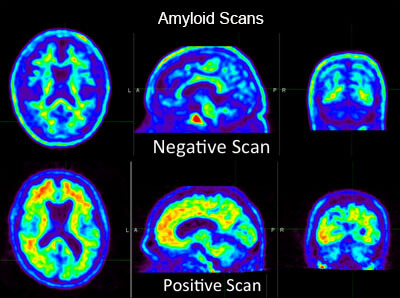
There are different types of PET scan An amyloidPET scan measures the buildup of abnormal amyloid protein in the brain, one of the key hallmarks of Alzheimer’s disease An FDGPET scan measures the concentration of glucose in the brain, revealing how the brain is using energy These scans reveal aspects of how the brain is working that can’t be seen in any other way For a PET scan, a special molecule called a ligand is injected into the body and attaches to particular molecules of. In Japan, a prospective multicenter study targeting amnestic MCI, the Study on Diagnosis of early Alzheimer’s diseaseJapan, SEADJ, was conducted;. These may range from isolated cognitive impairment to severe dementia Imaging features of the disease often correlate with an ADtype pattern on functional FDGPET imaging, although more occipital involvement and more sparing of the mesiotemporal.
Cognitive deficits appear in the late stage of the disease in about 41% of the patients with PD;. Dementia with Lewy bodies (DLB) is still underdiagnosed or mistaken for other types of neurodegenerative diseases Biomarkers such as 18Fluorodeoxyglucose Positron Emission Tomography (FDGPET) can be helpful A 72yearold gentleman presented with postural hypotension, hallucination, Parkinsonism and recurrent falls He also had rapidly progressing cognitive impairment. Of these, 378 were cognitively normal, 537 had mild cognitive impairment (MCI), and 198 AD dementia Participants had at least one FDG PET or structural MRI scan collected each time blood was taken Blood samples were taken for up to eight years and stored;.
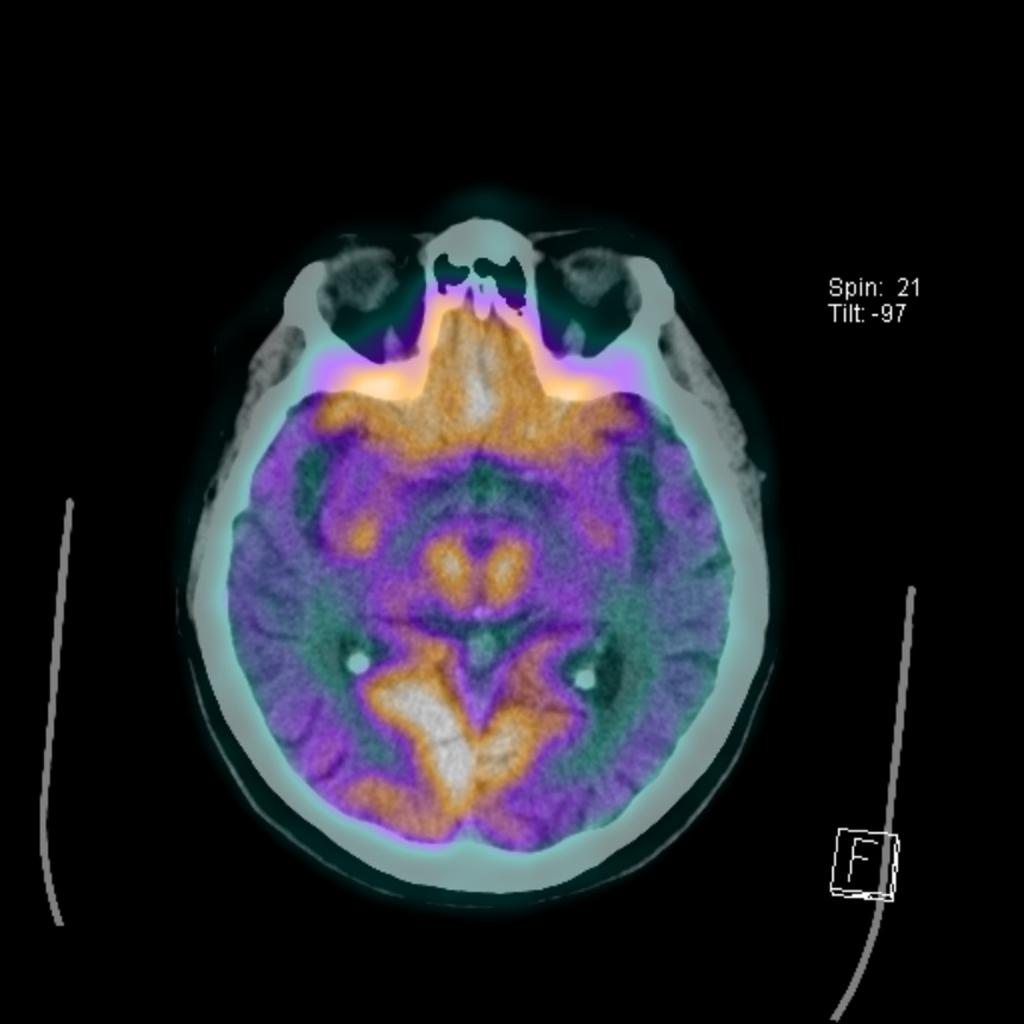
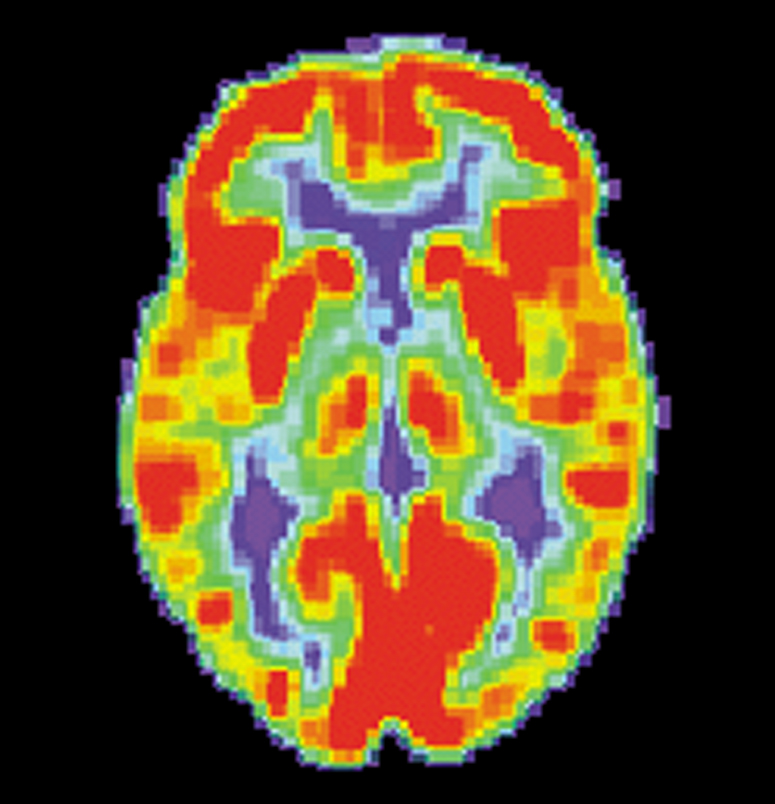
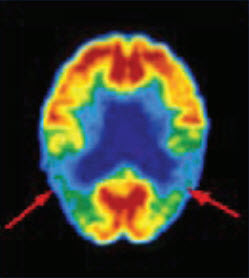
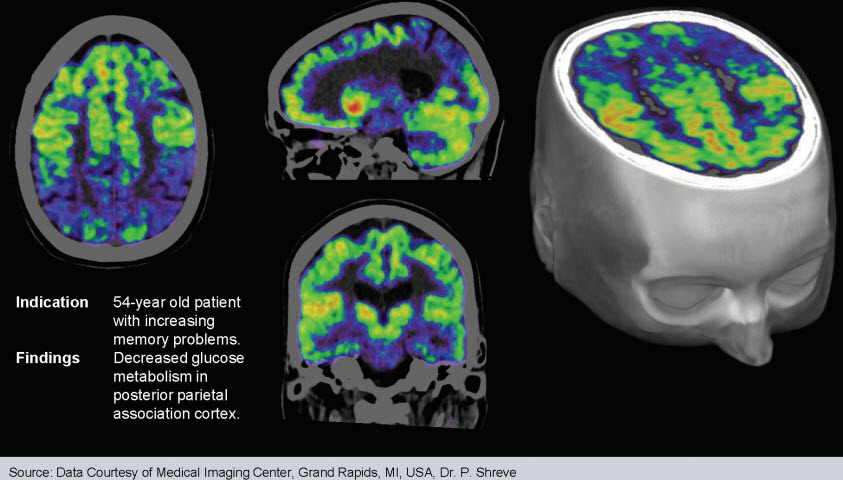
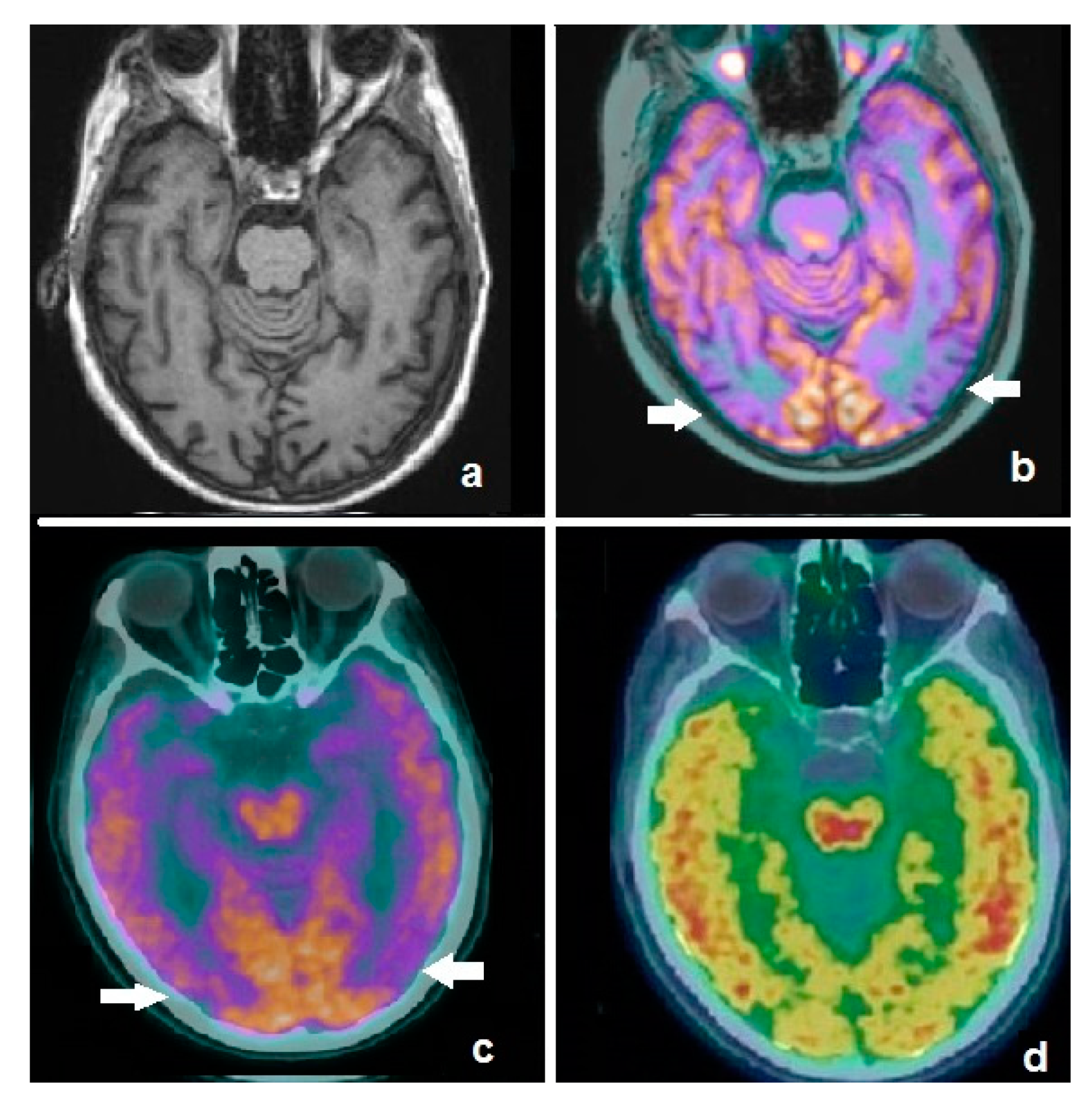
The 18Fflorbetapir PET scan detects amyloid plaques in the brain, which are the prime suspects in damaging and killing nerve cells in Alzheimer’s Before the existence of amyloid imaging, these harmful aggregates could be detected only after a patient’s death. PETCT uses radiolabeled glucose analog FDG to measure glucose metabolism, which indicates levels of neurosynaptic activity On these FDG PET images, it is seen decreased metabolism activity on the bilateral parietotemporal cortex From the case Alzheimer disease. Restingstate FDG PET brain scans were obtained and were visually graded by an experienced nuclear medicine physician for the presence of the classic bilateral temporoparietal hypometabolism seen in Alzheimer's type dementia The interpreter was unaware of all clinical information.
Distinguishing Alzheimer's disease and frontotemporal dementia currently relies on a clinical history and examination, but PET with fluorodeoxyglucose (FDGPET) shows patterns of hypometabolism in. HealthDay News — Fluorine 18 (18 F) fluorodeoxyglucose (FDG) positron emission tomography (PET) of the brain can be used to develop a deep learning algorithm for early prediction of Alzheimer. Or, its use in a CMS approved practical clinical trial focused on the utility of FDG PET in the diagnosis or treatment of dementing neurodegenerative diseases.
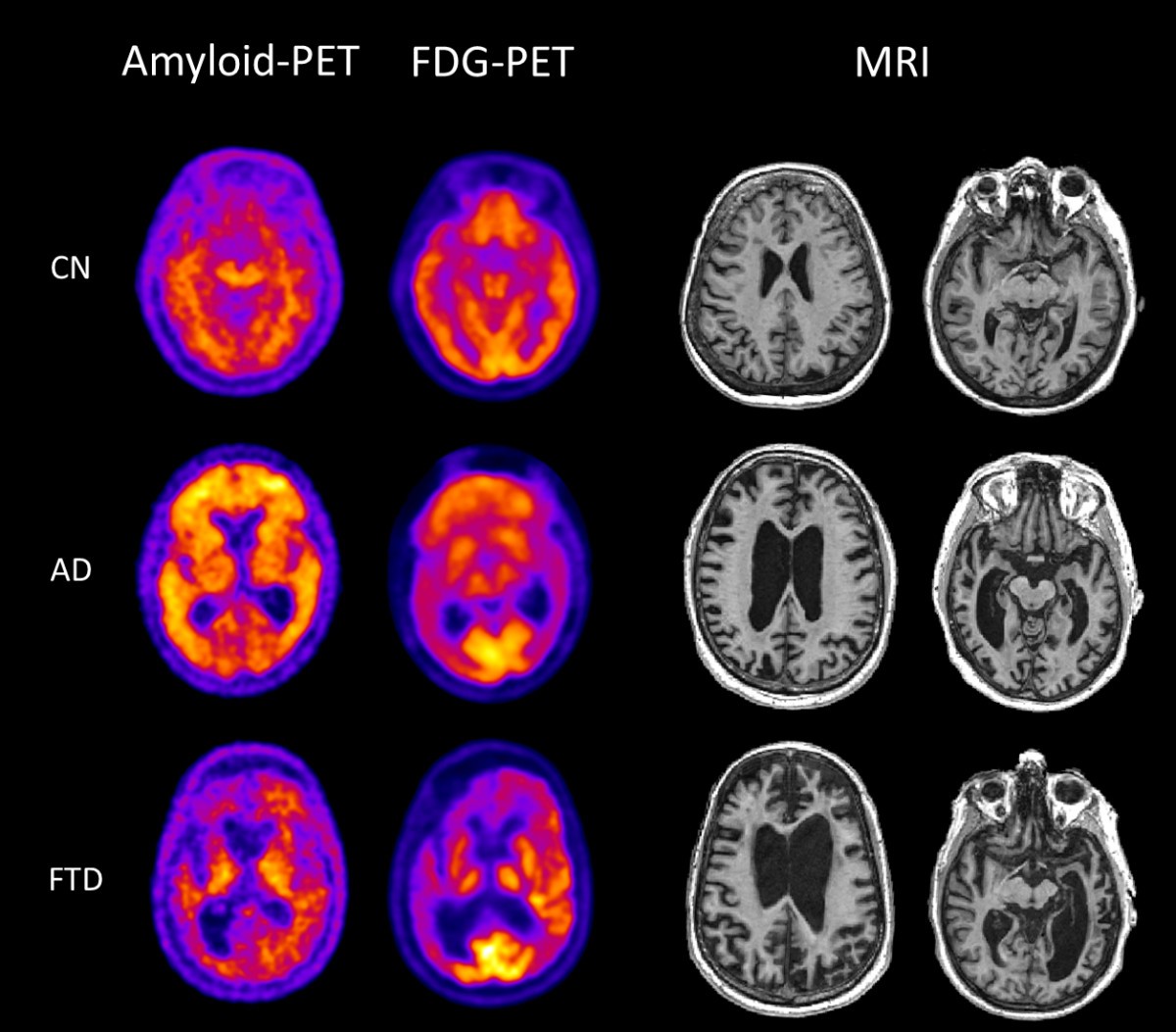
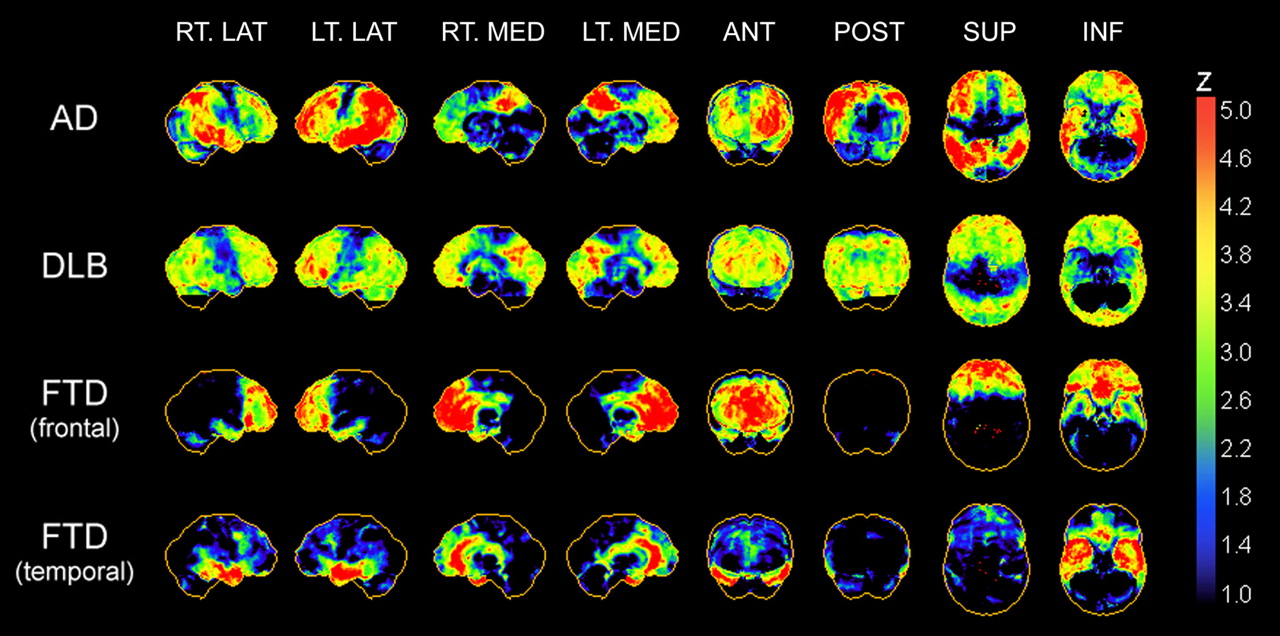
This report contains the results of 3yr observations of progress According to this study, the diagnostic ability of FDGPET using visual evaluation has a sensitivity of 98%, specificity of 41%, and an accurate diagnosis rate of 71%. Of these, 378 were cognitively normal, 537 had mild cognitive impairment (MCI), and 198 AD dementia Participants had at least one FDG PET or structural MRI scan collected each time blood was taken Blood samples were taken for up to eight years and stored;. Distinguishing Alzheimer's disease (AD) and frontotemporal dementia (FTD) currently relies on a clinical history and examination, but positron emission tomography with 18 F fluorodeoxyglucose (FDGPET) shows different patterns of hypometabolism in these disorders that might aid differential diagnosis.
These may range from isolated cognitive impairment to severe dementia Imaging features of the disease often correlate with an ADtype pattern on functional FDGPET imaging, although more occipital involvement and more sparing of the mesiotemporal. Background Florbetapir (AV45) and fluorodeoxyglucose (FDG) PET imaging are valuable techniques to detect the amyloidβ (Aβ) load and brain glucose metabolism in patients with Alzheimer's disease (AD) Objective The purpose of this study is to access the characteristics of Aβ load and FDG metabolism in brain for further investigating their relationships with cognitive impairment in AD. Reduced 18Ffluorodeoxyglucosepositron emission tomography (FDGPET) brain metabolism was recognized as a biomarker of neurodegeneration in the recently proposed ATN framework for Alzheimer’s disease (AD) biological definition However, accumulating evidence suggested it is an independent biomarker, which is denoted as “F” in the very study.
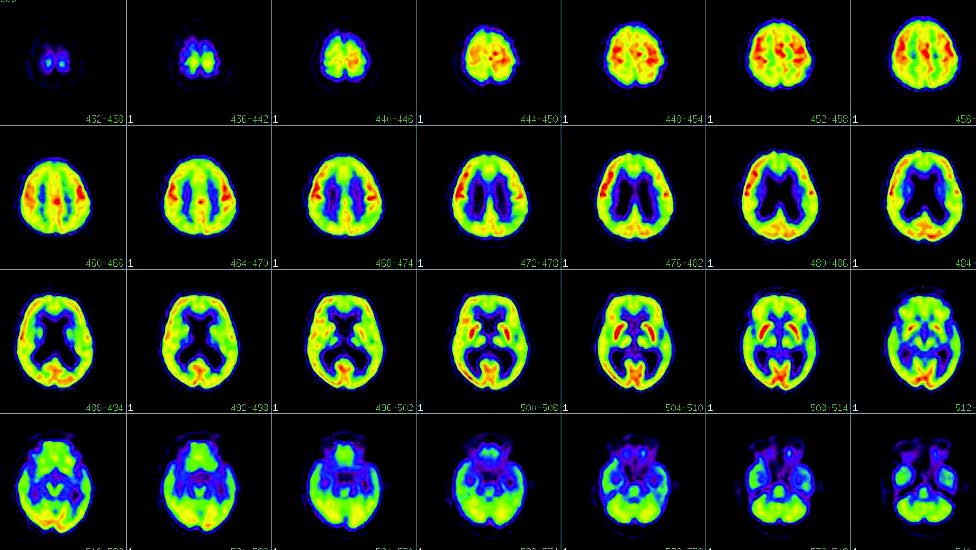
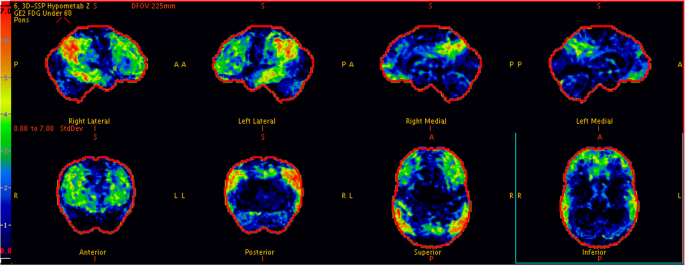
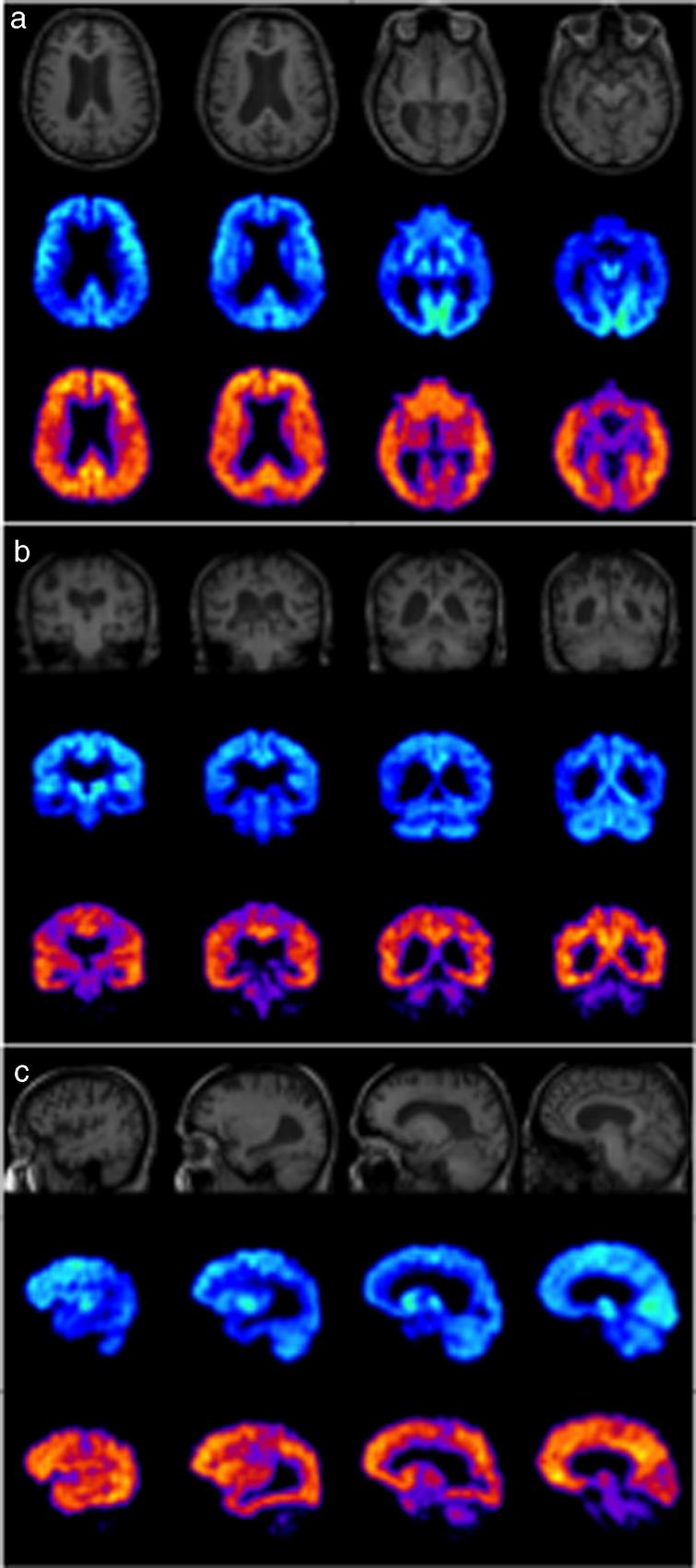
Of these, 378 were cognitively normal, 537 had mild cognitive impairment (MCI), and 198 AD dementia Participants had at least one FDG PET or structural MRI scan collected each time blood was taken Blood samples were taken for up to eight years and stored;. Alzheimer disease Axial grayscale FDG PET images (top), corresponding statistical thresholding overlay images (middle), and 3D stereotactic surface projection (SSP) images (bottom) (left to right left lateral, right lateral, left medial, and right medial views) demonstrate bilateral hypometabolism in the parietotemporal cortices (arrowheads) and in the posterior cingulate–precuneus cortices (arrows), a pattern that is typical of Alzheimer disease. The precise role of cerebral FDG PET in the dementia workup is actively being redefined FDG PET adds diagnostic value in the setting of an unclear diagnosis with mixed evidence that it is at least cost neutral in this regard 7, 8 Metabolic imaging can detect pathophysiologic changes in the dementia disease course antecedent to atrophic changes seen on structural imaging and provide.
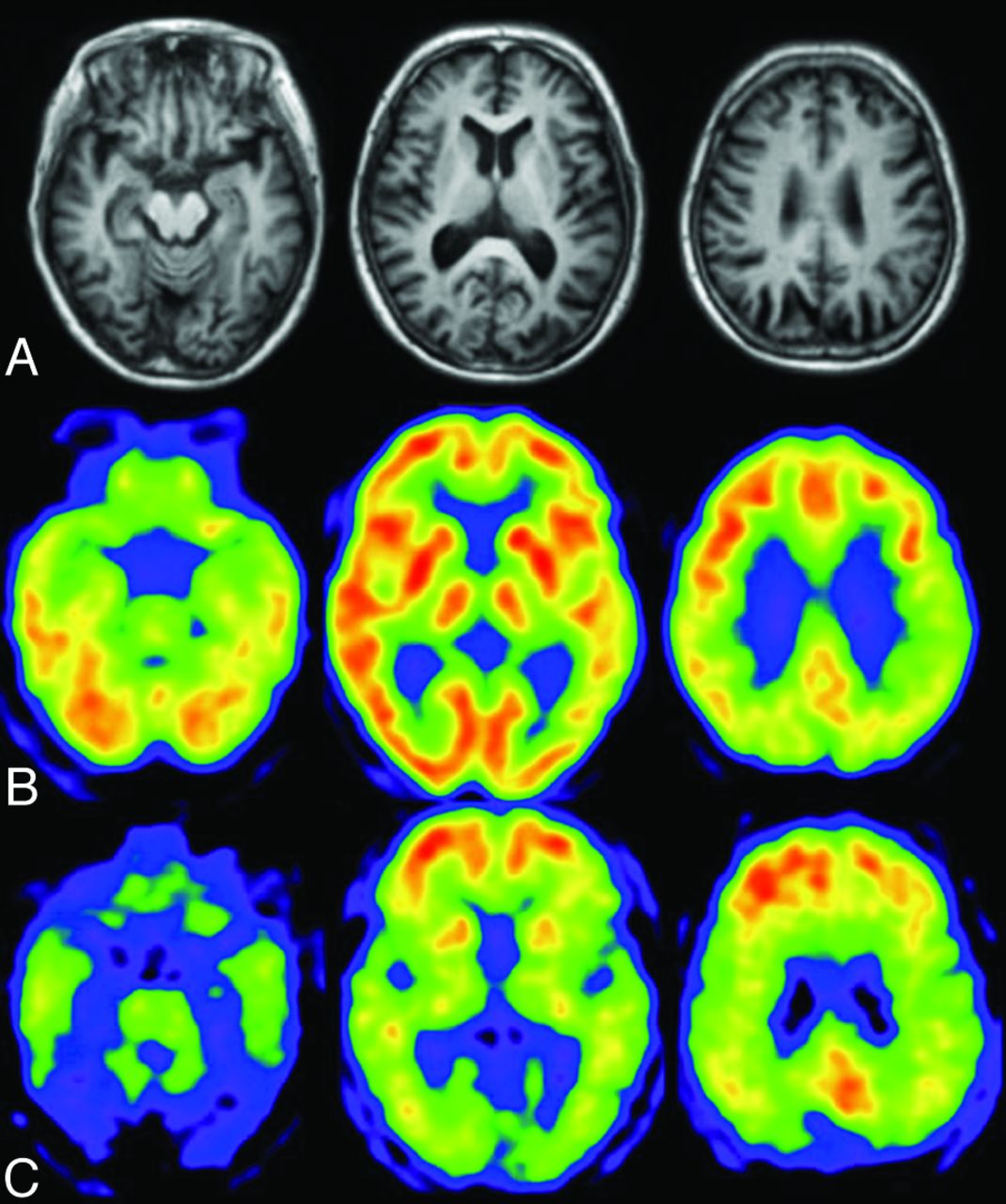
We review the role of brain FDG PET in the diagnosis of Alzheimer disease, frontotemporal dementia, dementia with Lewy bodies, and vascular dementia Characteristic spatial patterns of brain metabolism on FDG PET can help differentiate various subtypes of dementia CONCLUSION In patients with different subtypes of dementia, FDG PET/CT shows distinct spatial patterns of metabolism in the brain and can help clinicians to make a reasonably accurate and early diagnosis for appropriate. 10/04 Covered use of FDGPET Scans for differential diagnosis of frontotemporal dementia and Alzheimer’s disease under specific requirements;. One such tool is a PET scan that can detect tau, the other hallmark abnormal protein in Alzheimer's dementia Scientists are investigating a number of disease markers and diagnostic tests, such as genes, diseaserelated proteins and imaging procedures, which may accurately and reliably indicate whether you have Alzheimer's dementia and how much.
Compared to regular amyloid imaging, fluorodeoxyglucose positron emission tomography (FDG PET), an imaging technique that quantifies brain function by measuring glucose levels, can better assess the progression and severity of cognitive decline in people with Alzheimer’s, and also cognitive impairment, researchers have found. Background Florbetapir (AV45) and fluorodeoxyglucose (FDG) PET imaging are valuable techniques to detect the amyloidβ (Aβ) load and brain glucose metabolism in patients with Alzheimer's disease (AD) Objective The purpose of this study is to access the characteristics of Aβ load and FDG metabolism in brain for further investigating their relationships with cognitive impairment in AD. Use of biomarkers in the detection of early and preclinical Alzheimer's disease (AD) has become of central importance following publication of the NIAAlzheimer's Association revised criteria for the diagnosis of AD, mild cognitive impairment (MCI) and preclinical AD The use of in vivo amyloid imaging agents, such a Pittsburgh CompoundB and markers of neurodegeneration, such as fluoro2deoxyDglucose (FDG) is able to detect early AD pathological processes and subsequent neurodegeneration.
The scan, FDGPET, helped six doctors from three national Alzheimer's disease centers correctly diagnose frontotemporal dementia (FTD) and Alzheimer's in almost 90 percent of cases in the studyan. The number of cases of dementia has dramatically increased over the last decade Imaging of the brain with PET has been used for many years, but in the past decade the radiopharmaceuticals and technology available for imaging dementia have vastly improved In recent years, the US Food and Drug Administration has approved 3 PET radiopharmaceuticals for detecting amyloid in brain, and tau PET. Alzheimer's disease dementia ¹⁸F‐FDG PET 14 150/421 76 (54 to 90) 385 (22 ‐ 50) 174 285 Key feature of the results the current evidence does not support the routine use of ¹⁸F‐FDG PET scan in clinical practice ¹⁸F‐FDG PET scan is a high‐cost investigation, and it is therefore important to clearly demonstrate.
Combining FDGPET measures from these regions may be useful for antemortem prediction of Alzheimerrelated TDP43 proteinopathy Classification of evidence This study provides Class II evidence that hypometabolism in the medial temporal and frontal regions on FDGPET is associated with Alzheimerrelated TDP43 proteinopathy. Baseline plasma ptau181 levels were tied to cognitive decline plus concurrent and prospective neurodegeneration in Alzheimer'scharacteristic brain regions on MRI and FDGPET. Further, in subjects with clinical findings suggestive of dementia, regional brain metabolism on 18 FFDG PET/CT is a sensitive indicator of neurodegenerative disease in general, including the diagnosis of AD and FTD.
A deep learning algorithm can be used to improve the accuracy of diagnosing Alzheimer’s disease from 18FFDG PET scans of the brain By predicting Alzheimer’s disease earlier in the disease course in conjunction with other biochemical and imaging tests, a deep learning algorithm provides an opportunity for early therapeutic intervention Dr. Medicare Coverage for PET and PET/CT Medicare coverage criteria for FDGPET for Alzheimer’s Disease Medicare covers FDGPET scans for the differential diagnosis of frontotemporal dementia (FTD) and Alzheimer’s disease (AD) under specific requirements;. PET scans can then measure the uptake of FDG in brain cells, an indicator of metabolic activity The researchers had access to data from the Alzheimer’s Disease Neuroimaging Initiative (ADNI), a major multisite study focused on clinical trials to improve prevention and treatment of this disease.
At this stage, we considered differentials of Lewy Body dementia, Frontotemporal dementia, or Alzheimer’s disease Subsequently, an 18Fluorodeoxyglucose Positron Emission Tomography scan (FDGPET) of the brain was performed (GE Discovery 690, Milwaukee, USA). The purpose of this study was to confirm with pathologic verification 2 beliefs related to Alzheimer's disease (AD) (a) the longstanding impression that bilateral temporoparietal hypometabolism, as noted on FDG PET imaging, is the metabolic abnormality associated with Alzheimer's disease (AD) and (b) that the sensitivity, specificity, and diagnostic accuracy of the metabolic pattern of.

Applications Of Positron Emission Tomography Pet In Neurology Journal Of Neurology Neurosurgery Psychiatry
Alzheimer Disease Radiology Case Radiopaedia Org
Amyloid Pet Scan For Alzheimer S Disease Assessment Ucsf Radiology

Imagilys
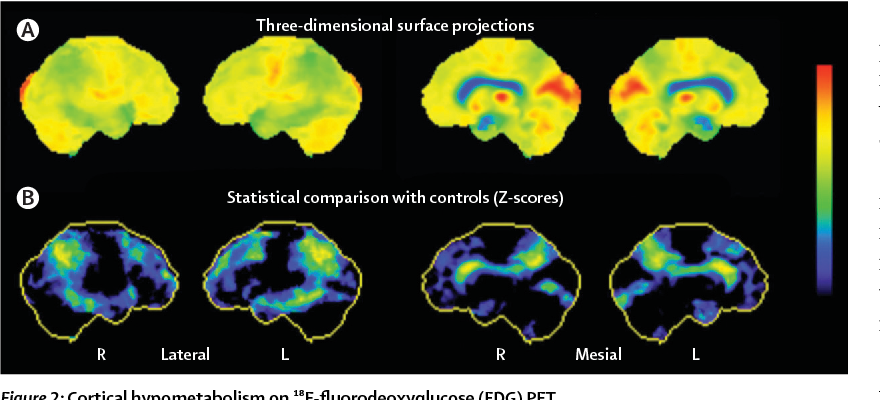
Figure 2 From Multimodal Imaging In Alzheimer S Disease Validity And Usefulness For Early Detection Semantic Scholar
Clinicopathologic Assessment And Imaging Of Tauopathies In Neurodegenerative Dementias Alzheimer S Research Therapy Full Text

Imaging Alzheimer S Disease Pathophysiology With Pet

A Deep Learning Model To Predict A Diagnosis Of Alzheimer Disease By Using 18f Fdg Pet Of The Brain Radiology

Brain 18f Fdg Pet Mri Coregistration Iconographic Essay
Brain Positron Emission Tomography Wikipedia

Alzheimer Disease Markers Predict Subsequent Decline In Mild Cognitive Impairment Neurology Advisor
Pet Imaging In Alzheimer S Disease
What If It S Not Garden Variety Ad Telling Variants Apart By Where Tau Is Alzforum
Pet Ct Delivers Earlier More Accurate Detection Of Alzheimer S Disease Northwest Radiology Indianapolis Carmel Fishers

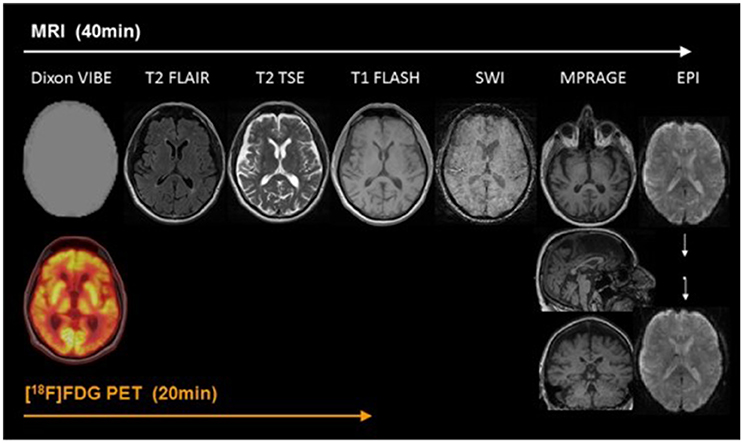
Integrated 18f Fluorodeoxyglucose Positron Emission Tomography Magnetic Resonance Imaging 18f Fdg Pet Mri A Multimodality Approach For Comprehensive Evaluation Of Dementia Patients A Pictorial Essay Jena A Renjen Pn Taneja S Gambhir A Negi P

Fdg Pet Displays Its Prowess In Dementia Detection Physics World

18f Fdg Pet The Early Phases And The Delivery Rate Of 18f Av45 Pet As Proxies Of Cerebral Blood Flow In Alzheimer S Disease Validation Against 15o H2o Pet Sciencedirect

Fdg Pet The Jagust Lab

Applications Of Amyloid Tau And Neuroinflammation Pet Imaging To Alzheimer S Disease And Mild Cognitive Impairment Chandra 19 Human Brain Mapping Wiley Online Library
Fdg Pet Found Effective At Evaluating Alzheimer S Severity Axis Imaging News

Pet S Targeted Imaging May Lead To Earlier More Accurate Diagnosis Of Dementia And Alzheimer S Disease

Brain 18f Fdg Pet Mri Coregistration Iconographic Essay

Imaging Alzheimer S Disease Pathophysiology With Pet

Alzheimer S Biomarker Initiative Hits Its Stride Science
Frontiers Pet Mr Imaging New Frontier In Alzheimer S Disease And Other Dementias Frontiers In Molecular Neuroscience

Snmmi Image Of The Year Assesses Tau Buildup In Alzheimer S Patients Imaging Technology News

Amazing Isn T It Long Sought Blood Test For Alzheimer S In Reach The New York Times

Alzheimer S Disease Northern California Pet Imaging Center
Artificial Intelligence Can Detect Alzheimer S Disease In Brain Scans 6 Years Before A Diagnosis University Of California
Effectiveness And Safety Of 18f Fdg Pet In The Evaluation Of Dementia A Review Of The Recent Literature Journal Of Nuclear Medicine
Neuroimaging And Alzheimer S Disease Practical Neurology

Beta Amyloid Pet Imaging For Alzheimer S Dementia Diagnosis Progress In Neurology And Psychiatryprogress In Neurology And Psychiatry
Obm Geriatrics Neuroimaging In Dementia

Frontal Variant Of Alzheimer S Disease With Asymmetric Presentation Mimicking Frontotemporal Dementia Case Report And Literature Review Li Brain And Behavior Wiley Online Library
Fdg Pet Typical Pattern For Alzheimer Disease

18f Fdg Pet Hyperactivity In Alzheimer S Disease Cerebellum And Primary Olfactory Cortex Biorxiv

Amyloid Imaging In Distinguishing Atypical Prion Disease From Alzheimer Disease Neurology

Fdg Pet Brain Scan Of A Patient With Non Fluent Aphasia Secondary To Download Scientific Diagram
Generative Fdg Pet And Mri Model Of Aging And Disease Progression In Alzheimer S Disease

Consequences Of Metabolic Disruption In Alzheimer S Disease Pathology Springerlink

Fdg Pet Displays Its Prowess In Dementia Detection Physics World

Pet Approaches For Diagnosis Of Dementia American Journal Of Neuroradiology
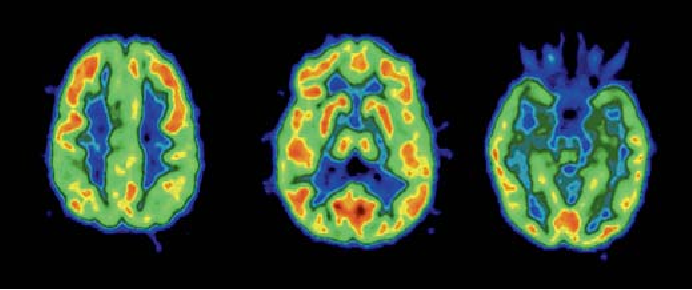
Figure 2 From Early Detection Of Alzheimer S Disease With Pet Imaging Semantic Scholar

Fdg Pet Hypometabolism Is More Sensitive Than Mri Atrophy In Parkinson S Disease A Whole Brain Multimodal Imaging Meta Analysis Sciencedirect
Early And Late Onset Alzheimer Disease Are They The Same Entity Neurologia English Edition
The Radiology Assistant Dementia Role Of Mri

Fdg Pet Shows Where Exercise Could Stall Alzheimer S
63sf38n9oqcp3m

Typical Fdg Pet Metabolic Patterns And Mri Atrophy Patterns Fdg Download Scientific Diagram

Pet Approaches For Diagnosis Of Dementia American Journal Of Neuroradiology

Pet Approaches For Diagnosis Of Dementia American Journal Of Neuroradiology
Pet Approaches For Diagnosis Of Dementia American Journal Of Neuroradiology

Fdg Pet Imaging Reliable In Identifying Abnormalities In Parkinson Disease Neurology Advisor

Amyloid Pet And 18f Fdg Pet In The Diagnostic Investigation Of Alzheimer S Disease And Other Dementias The Lancet Neurology
Different Patterns Of Glucose Hypometabolism Underlie Functional Decline In Frontotemporal Dementia And Alzheimer S Disease Fdg Pet Study
The Nuclear Medicine Approach To Alzheimer S

Spectrum Of Neurocognitive Dysfunction In Indian Population On Fdg Pet Ct Imaging
Pet Ct Delivers Earlier More Accurate Detection Of Alzheimer S Disease Northwest Radiology Indianapolis Carmel Fishers

Fdg Pet Of Control Mci And Mild Ad Individuals Fdg Pet Show Reduced Download Scientific Diagram
Ijms Free Full Text Imaging And Molecular Mechanisms Of Alzheimer S Disease A Review Html

Fact Sheet Molecular Imaging And The Brain Snmmi

The Use Of Pet In Alzheimer Disease Nature Reviews Neurology

18f Fdg Pet Algorithm Allows Early Prediction Of Alzheimer S Neurology Advisor

Relative Cerebral Flow From Dynamic Pib Scans As An Alternative For Fdg Scans In Alzheimer S Disease Pet Studies
Observing The World Alzheimer S Month 2 Current Research On Nanoscan Pet Mri 1t Innovation Delivered
Ijms Free Full Text Positron Emission Tomography Pet And Neuroimaging In The Personalized Approach To Neurodegenerative Causes Of Dementia Html
Dementia And Its Treatment Basicmedical Key
Role Of Neuroimaging In Alzheimer S Disease With Emphasis On Brain Perfusion Spect Journal Of Nuclear Medicine

Pet Trained Ai Predicts Alzheimer S 6 Years Before Diagnosis
Visual Assessment Versus Quantitative Assessment Of 11c Pib Pet And 18f Fdg Pet For Detection Of Alzheimer S Disease Journal Of Nuclear Medicine

Alzheimer S Disease Pet Scan Stock Image C038 4517 Science Photo Library
Generative Fdg Pet And Mri Model Of Aging And Disease Progression In Alzheimer S Disease

New Mri Technique To Diagnose Or Rule Out Alzheimer S Disease Bmed Report

Pet Imaging Of Brain With Alzheimer Disease Accessmedicine Network

Integrated 18f Fluorodeoxyglucose Positron Emission Tomography Magnetic Resonance Imaging 18f Fdg Pet Mri A Multimodality Approach For Comprehensive Evaluation Of Dementia Patients A Pictorial Essay Jena A Renjen Pn Taneja S Gambhir A Negi P

Regional Variability In Alzheimer S Disease Biomarkers Future Neurology
Pet Scans Of The Brain Of An Alzheimer Disease Patient Made With 18 Download Scientific Diagram

Machine Learning Identified An Alzheimer S Disease Related Fdg Pet Pattern Which Is Also Expressed In Lewy Body Dementia And Parkinson S Disease Dementia Scientific Reports

Institute For Neurodegenerative Disorders
Frontiers Pet Mr Imaging New Frontier In Alzheimer S Disease And Other Dementias Frontiers In Molecular Neuroscience
A Future For Pet Imaging In Alzheimer S Disease Springerlink
100m Ideas Cms Blesses Study To Evaluate Amyloid Scans In Clinical Practice Alzforum

Fdg Pet In Alzheimer S Disease Radiology Key
Fdg Pet Typical Pattern For Alzheimer Disease

A Visual Rating Scale For Cingulate Island Sign On 18f Fdg Pet To Differentiate Dementia With Lewy Bodies And Alzheimer S Disease Journal Of The Neurological Sciences
Imaging Biomarkers In Alzheimer S Disease A Practical Guide For Clinicians Ios Press
Plos One Hybrid Fdg Pet Mri Vs Fdg Pet And Ct In Patients With Suspected Dementia A Comparison Of Diagnostic Yield And Propagated Influence On Clinical Diagnosis And Patient Management

Early Detection Of Alzheimer S Disease Using Pib And Fdg Pet Sciencedirect

What Does Fluorodeoxyglucose Pet Imaging Add To A Clinical Diagnosis Of Dementia Neurology
Alzheimer S Analysis For Fdg Pet Palz Pmod Technologies Llc


