Anti Vegf Drugs In Ophthalmology
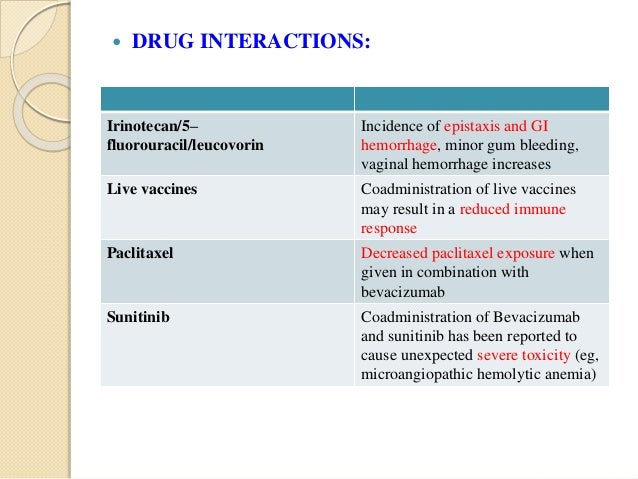
Anti Vegf S In Ophthalmology
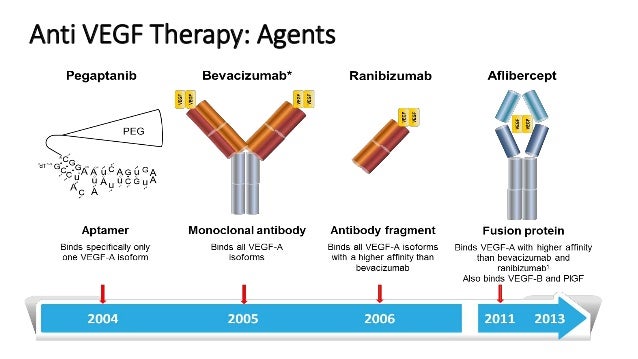
Anti Vegf In Ophthalmology

Anti Vegf S In Ophthalmology

Pdf The Era Of Anti Vascular Endothelial Growth Factor Vegf Drugs In Ophthalmology Vegf And Anti Vegf Therapy

Using The Past To Inform The Future Anti Vegf Therapy As A Road Map To Develop Novel Therapies For Diabetic Retinopathy Diabetes
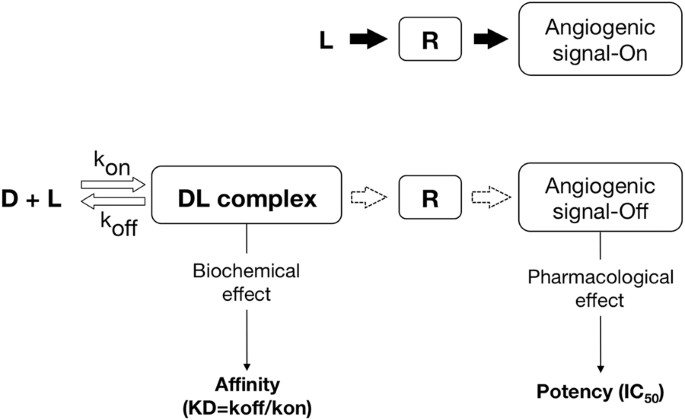
Clinical Pharmacology Of Intravitreal Anti Vegf Drugs Eye
So VEGF can be used to promote the formation of vessels So in the eye, antiVEGF is good to stop leakage, but antiVEGF in the eye with different diseases even can be used to induce regression of vessels, and still other pathological scenarios VEGF — not antiVEGF — VEGF can be used to promote the growth of blood vessels.

Anti vegf drugs in ophthalmology. The technique involved in. Despite the success of antiVEGF in improving and maintaining vision in patients who suffer vision loss due to neovascular agerelated macular degeneration (nAMD), antiVEGF treatment can be tediousDue to the increased frequency of clinic visits and the discomfort associated with intraocular injections, it is no surprise that patients will only complete on average 37 years of regular. The introduction of antiVEGF therapy has radically improved the visual and anatomical outcomes of patients with neovascular agerelated macular degeneration (AMD) 13 These antiVEGF therapies are considered biologics, which are therapeutic agents containing proteins derived from living organisms Examples of biologics include macromolecules such as proteins, peptides, aptamers, SiRNA, and.
Monoclonal antibodies from the antiVEGF drug series are widely used in ophthalmology;. In this study, the DRCR Retina Network team compared two standard treatments—antivascular endothelial growth factor (VEGF) eye injections versus the removal of blood via vitrectomy surgery and laser photocoagulation The purpose of this comparison was to see if either treatment was more effective in improving visual acuity over two years. The concept is very simple a monoclonal antibody means that it is an.
BOSTON — A new antivascular endothelial growthfactor (VEGF) drug, OPT302 (Opthea), appears to be safe and shows signs of effectiveness in the treatment of neovascular agerelated macular. Avastin (bevacizumab) is supplied in sterile vials containing a solution of 25 mg/mL Doses utilized in ophthalmic conditions generally range from 62 mcg to 25 mg Therefore, bevacizumab in vials is often divided into singledose, prefilled syringes for intravitreal use by compounding pharmacies. The VEGF system is delicately balanced, and changes might result in deleterious effects This review provides a brief overview of the VEGFsystem, and summarizes its relevance in proliferative eye diseases The antiVEGF drugs locally used to treat different disease conditions are discussed with their local and systemic side effects PMID.
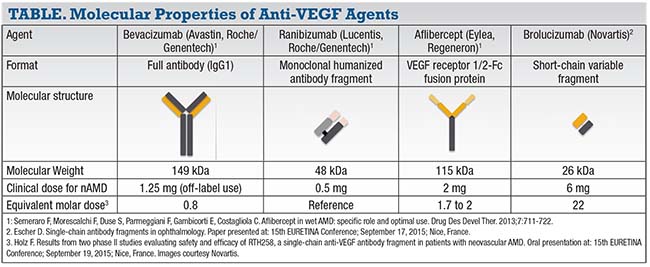
Editors' note This article discusses offlabel uses of antiVEGF drugs For those with neovascular agerelated macular degeneration in the US, use of antiVEGF drugs such as Lucentis and Avastin to stabilize blood vessels and stop the proliferation of new ones is common practice. TitleNew AntiVEGF Drugs in Ophthalmology VOLUME 21 ISSUE 12 Author(s)Claudio Campa * AffiliationEye Clinic, Sant'Anna University Hospital, Ferrara KeywordsAntiVEGF, conbercept, brolucizumab, port delivery system, ranibizumab, abicipar pegol, faricimab Abstract This review focuses on 5 new antiVEGF drugs in the advanced stage of clinical development (ie, phase 3) conbercept. Monoclonal antibodies from the antiVEGF drug series are widely used in ophthalmology;.
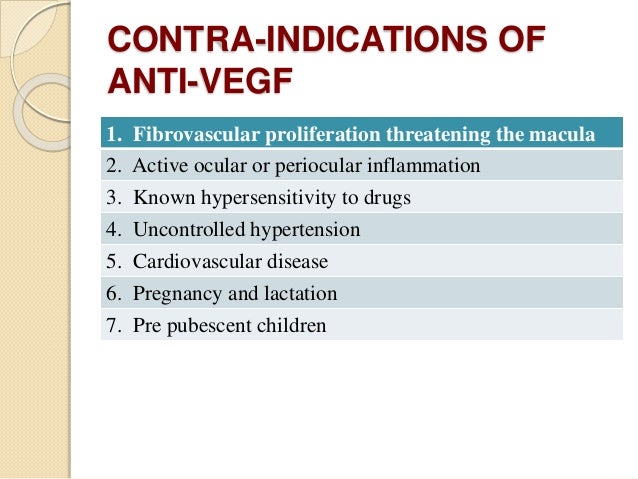
There are three main antiVEGF medicines Avastin;. Anti vegf' s in Ophthalmology 1 ANTI VEGF IN OPHTHALMOLOGY PRESENTER DR SIDDHARTH GAUTAM DRPAVITRA PATEL 2 INTRODUCTION VEGF means Vascular Endothelial Growth Factor, which is responsible for growth of blood vessels Besides having a role in normal vascular growth, VEGF is also responsible for many retinal diseases by causing new vessels growth and by increasing leakage and thus causing. Monoclonal antibodies from the antiVEGF drug series are widely used in ophthalmology;.
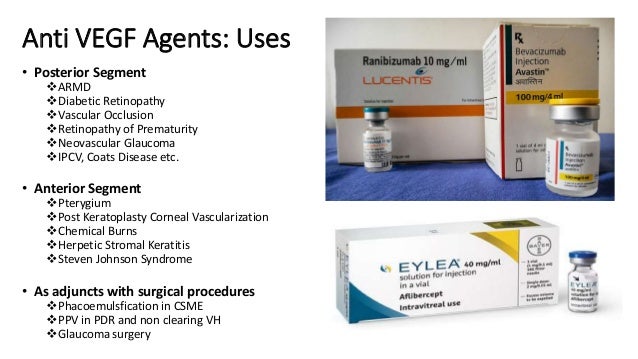
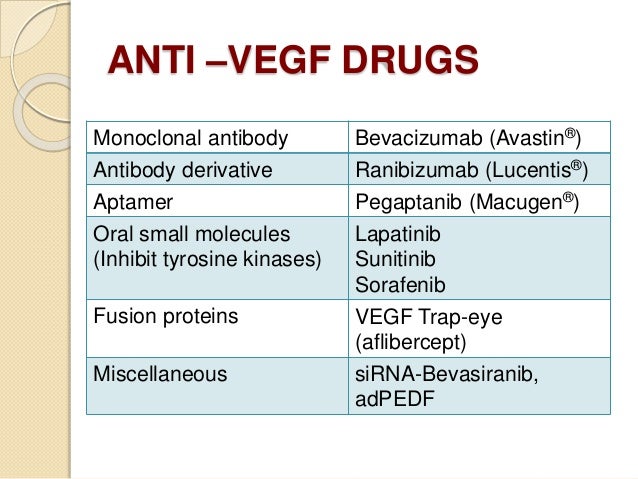
For wet AMD, the standard treatments are intraocular injections of drugs that block vascular endothelial growth factor (VEGF) These drugs are Beovu ®, Eylea ®, Lucentis ®, or Avastin ® Abicipar Abicipar is another drug that is injected into the eye to target VEGF Phase III trials showed that it can last as long as 12 weeks. Anti–vascular endothelial growth factor therapy, also known as antiVEGF therapy or antiVEGF medication, is the use of medications that block vascular endothelial growth factorThis is done in the treatment of certain cancers and in agerelated macular degenerationThey can involve monoclonal antibodies such as bevacizumab, antibody derivatives such as ranibizumab (Lucentis), or orally. The most common indications for intraocular antivascular endothelial growth factor (VEGF) injections include exudative agerelated macular degeneration, background and proliferative diabetic retinopathy, branch and central retinal vein occlusions, and retinopathy of prematurity Intraocular antiVEGF drugs generally work through two mechanisms 1.
The most common and effective treatment for wet agerelated macular degeneration (wet AMD) is called antiVEGF therapy Your doctor gives you this therapy through an injection directly into your. The drugs used in these eye injections are called antiVEGF drugs These injections can help slow the progression of AMD or myopic macular degeneration (MMD) and are the most common and effective clinical treatment for this kind of condition 1 Eye injections can take some time to get used to, but the benefits are significant. AntiVEGF treatments are a group of medicines which reduce new blood vessel growth (neovascularisation) or oedema (swelling) AntiVEGF medicines can be used to treat a number of eye conditions that cause new blood vessel growth or swelling under the macular area of your retina, at the back of the eyes The macula is a tiny area of your central retina, which is very important for seeing.
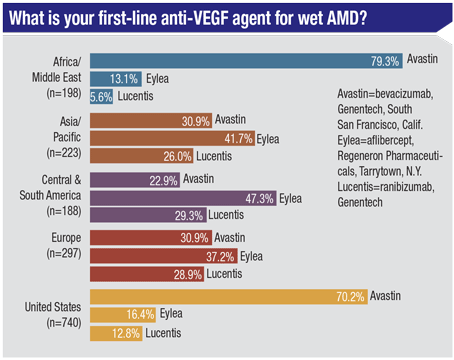
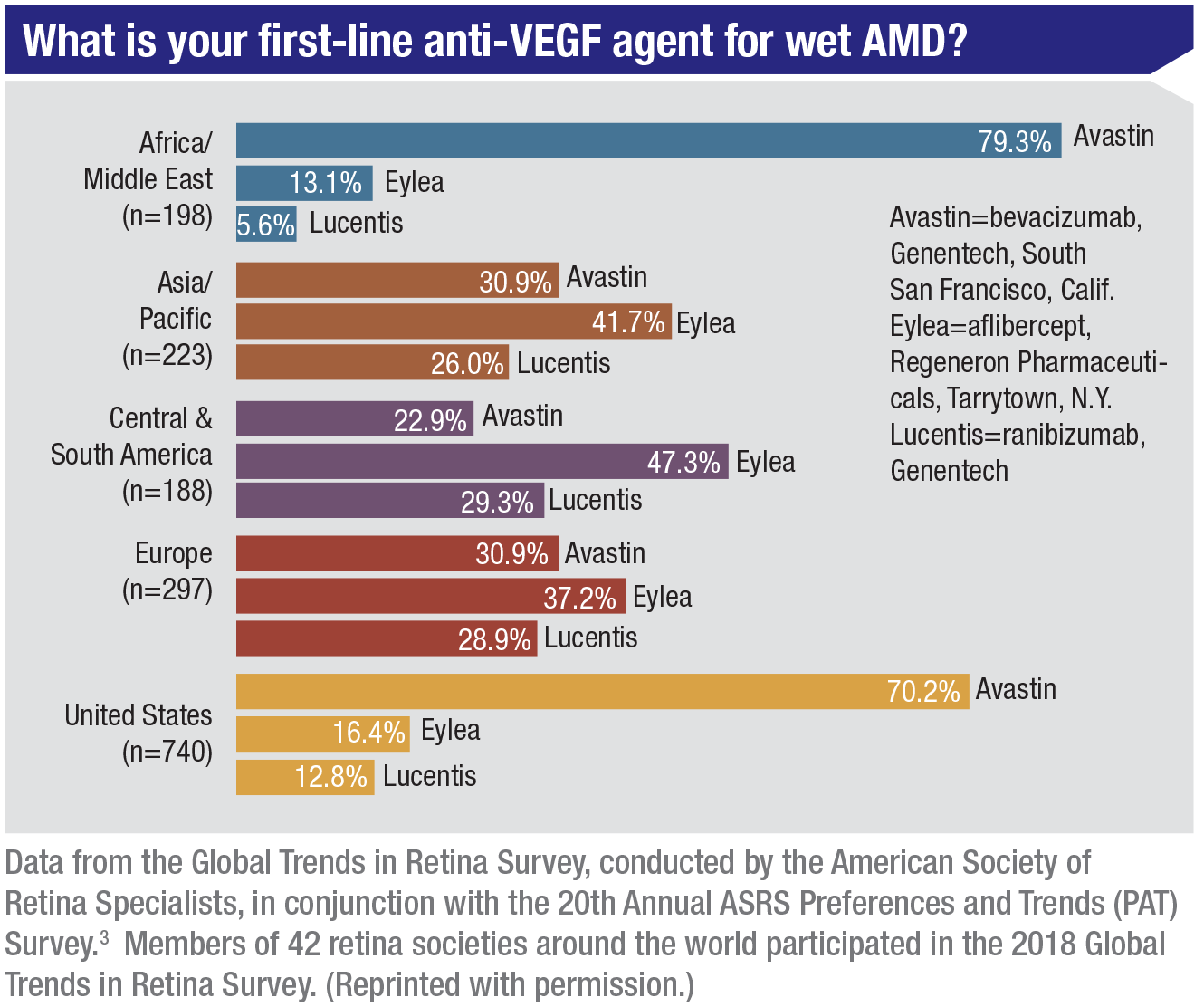
Latest antiVEGF With expanding uses for antiVEGF also comes the need for innovation One new antiVEGF agent available to combat the multitude of retinal conditions that has been found to be successful is Eylea (aflibercept, Regeneron Pharmaceuticals, Tarrytown, NY). Anti vegf' s in Ophthalmology 1 ANTI VEGF IN OPHTHALMOLOGY PRESENTER DR SIDDHARTH GAUTAM DRPAVITRA PATEL 2 INTRODUCTION VEGF means Vascular Endothelial Growth Factor, which is responsible for growth of blood vessels Besides having a role in normal vascular growth, VEGF is also responsible for many retinal diseases by causing new vessels growth and by increasing leakage and thus causing. In this study, the DRCR Retina Network team compared two standard treatments—antivascular endothelial growth factor (VEGF) eye injections versus the removal of blood via vitrectomy surgery and laser photocoagulation The purpose of this comparison was to see if either treatment was more effective in improving visual acuity over two years.
AntiVEGF agents have been employed for a variety of uses in the treatment of ocular disease, and several reports have shown both acute and chronic increases in intraocular pressure following injection of these drugs This article will review these data and their relevance to glaucoma. The concept is very simple a monoclonal antibody means that it is an. The recent adoption of drugs that inhibit the actions of VEGF has dramatically changed ophthalmology The intravitreal injection of potent antiVEGF medications, particularly bevacizumab and ranibizumab, has become standardofcare for the treatment of the most common blinding diseases – exudative agerelated macular degeneration and diabetic.
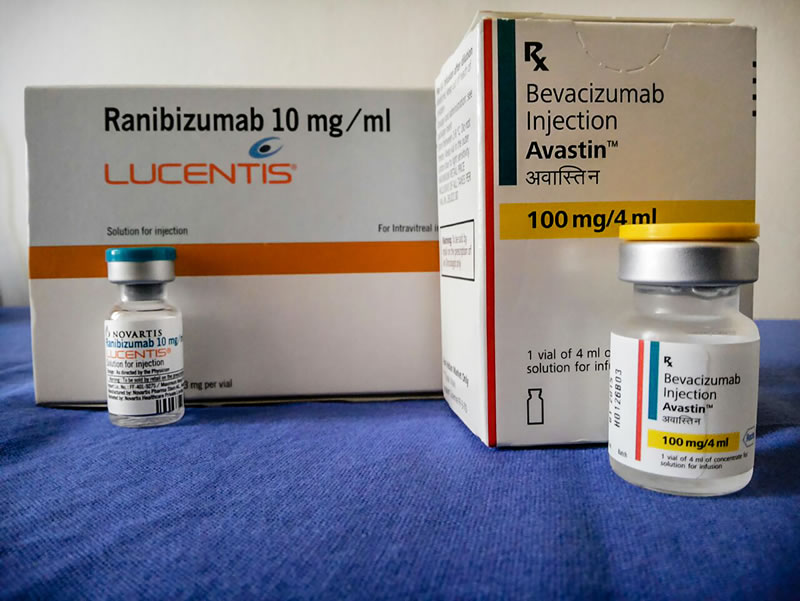
AntiVEGF plus laser “Given the risk of late recurrence of ROP with ranibizumab and loss to followup, we have a policy at Vanderbilt of performing laser treatment to avascular retina in all ranibizumabtreated eyes after normal retinal vascularization has ceased” and before the infants are discharged, Dr Kim said. Lucentis, Eylea and Avastin offer similar visual benefits, according to many ophthalmologists But Beovu is the first antiVEGF drug to provide similar benefits with a single eye injection only four times a year Here are some other differences that your ophthalmologist may explain to you as you discuss treatment options. Monoclonal antibodies from the antiVEGF drug series are widely used in ophthalmology;.
The concept is very simple a monoclonal antibody means that it is an. Anti VEGF drugs are given as Anti VEGF injections in the eye vitreous The AntiVEGF injection is passed through the sclera (white portion) of the eye Most common AntiVEGF injections which made the treatment of macular degeneration easier over the years are Bevacizumab was the most commonly used antiVEGF each year since its introduction in 09. BOSTON — A new antivascular endothelial growthfactor (VEGF) drug, OPT302 (Opthea), appears to be safe and shows signs of effectiveness in the treatment of neovascular agerelated macular.
In the same mouse model, the researchers tested a drug called aflibercept, a standard antiVEGF treatment It helped reduce neovascularization, but did not prevent the destruction of retinal capillaries. A study shows intraocular injections may reduce both intraocular pressure (IOP) and antiglaucoma medication use, in people with diabetes who undergo mitomycin C augmented trabeculotomy. The intravitreal administration of antiVEGF drugs can improve vision in many patients with exudative agerelated macular degeneration, diabetic macular edema and macular edema due to retinal vein.
The VEGF system is delicately balanced, and changes might result in deleterious effects This review provides a brief overview of the VEGFsystem, and summarizes its relevance in proliferative eye diseases The antiVEGF drugs locally used to treat different disease conditions are discussed with their local and systemic side effects PMID. Clinical efficacy of intravitreal antiVEGF drugs has been widely demonstrated in several angiogenesisdriven eye diseases including diabetic macular edema and the neovascular form of agerelated macular degeneration Pegaptanib, ranibizumab, and aflibercept have been approved for use in the eye, wh. In this study, the DRCR Retina Network team compared two standard treatments—antivascular endothelial growth factor (VEGF) eye injections versus the removal of blood via vitrectomy surgery and laser photocoagulation The purpose of this comparison was to see if either treatment was more effective in improving visual acuity over two years.
What are the Differences Between the Kinds of AntiVEGF Treatments?. The concept is very simple a monoclonal antibody means that it is an antibody produced in an infinite series, therefore these antibodies can be produced starting from an antibody, multiplied by N times. Because of their ability to reduce edema and new blood vessel growth in the back of the eye, antivascular endothelial growth factor (antiVEGF) medications are used to treat a number of retinarelated conditionsThese include wet (or neovascular) agerelated macular degeneration (AMD), diabetic macular edema (DME), retinal vein occlusion (RVO), and choroidal neovascularization (CNV).
Antiangiogenic ophthalmic agents act as vascular endothelial growth factor (VEGF) antagonists When retinal pigment cells become ischemic and dry up VEGF stimulates generation of new blood vessels by a process called neovascularization. AntiVEGF treatments are a group of medicines which reduce new blood vessel growth (neovascularisation) or oedema (swelling) AntiVEGF medicines can be used to treat a number of eye conditions that cause new blood vessel growth or swelling under the macular area of your retina, at the back of the eyes The macula is a tiny area of your central retina, which is very important for seeing detail, colour and objects directly in front of you. AntiVEGF (antivascular endothelial growth factor) agents are designed to reduce the growth of new blood vessels and swelling in the eye They are commonly used to treat a variety of conditions, including wet agerelated macular degeneration (nAMD), diabetic macular edema (DME) and retinal vein occlusion (RVO).
When used for eye disease side effects can include vision loss and retinal detachment Bevacizumab is a monoclonal antibody that functions as an angiogenesis inhibitor It works by slowing the growth of new blood vessels by inhibiting vascular endothelial growth factor A (VEGFA), in other words anti–VEGF therapy. AntiVEGF therapy keeps VEGF from making new blood vessels grow in your eye, which in turn can help curb fluid leakage in your retina There are four main kinds of antiVEGF treatments. Ophthalmologists use antiVEGF medicines to treat the following eye problems Wet agerelated macular degeneration (AMD) Swelling of the retina, called macular edema;.
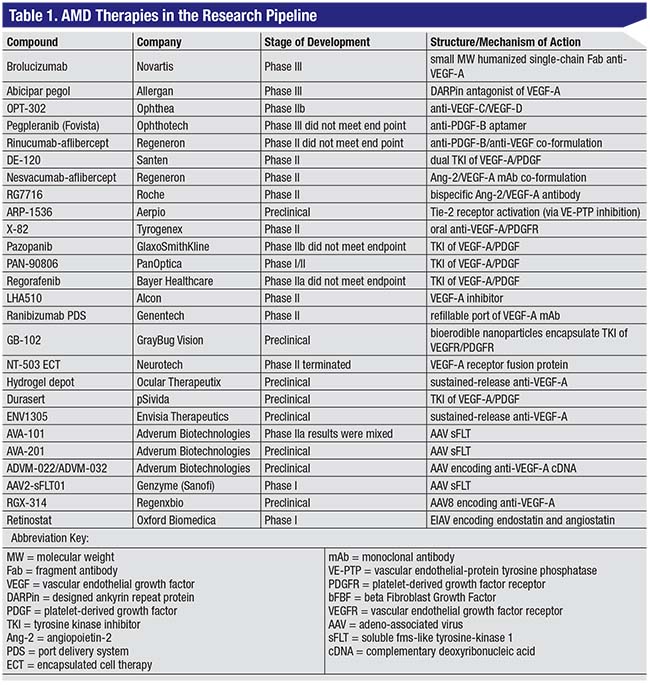
Monoclonal antibodies from the antiVEGF drug series are widely used in ophthalmology;. X (Tyrogenex) is an oral antiPDGF and VEGFA inhibitor In the Phase I doseescalation study (NCT), 10 of 35 patients (29 percent) didn’t complete the 24week endpoint, with six (17 percent) withdrawing due to adverse events. The drugs used in these eye injections are called antiVEGF drugs These injections can help slow the progression of AMD or myopic macular degeneration (MMD) and are the most common and effective clinical treatment for this kind of condition 1 Eye injections can take some time to get used to, but the benefits are significant.
New AntiVEGF Drugs in Ophthalmology This review focuses on 5 new antiVEGF drugs in the advanced stage of clinical development (ie, phase 3) conbercept, brolucizumab, port delivery system with ranibizumab, abicipar pegol and faricimab Results of clinical trials and the advantages of each drug compared to the available molecules ar. Intravitreal drug delivery has become the gold standard for treatment of many retinal diseases, including neovascular agerelated macular degeneration (AMD), diabetic retinopathy, and retinal vein occlusion The frequency of intravitreal injections has significantly increased since the introduction of antivascular endothelial growth factor (VEGF) medications . In this study, the DRCR Retina Network team compared two standard treatments—antivascular endothelial growth factor (VEGF) eye injections versus the removal of blood via vitrectomy surgery and laser photocoagulation The purpose of this comparison was to see if either treatment was more effective in improving visual acuity over two years.
Researchers compared antivascular endothelial growth factor (VEGF) eye injections versus removal of blood via vitrectomy surgery and laser photocoagulation Both treatments improved central vision for the majority of participants, although approximately onethird of the participants needed both antiVEGF injections and surgery. Journal of Pediatric Ophthalmology and Strabismus Review Article Update on the Use of AntiVEGF Drugs in the Treatment of Retinopathy of Prematurity. One arm binds to and inactivates VEGF, similar to the current antiVEGF agents 35,36 The second arm binds to and inactivates angiopoietin2 36 Research shows angiopoietin2 levels are elevated in retinal vascular diseases, such as wet AMD, DR and vein occlusions 35,36 It also appears to.
Clinical efficacy of intravitreal antiVEGF drugs has been widely demonstrated in several angiogenesisdriven eye diseases including diabetic macular edema and the neovascular form of agerelated macular degeneration Pegaptanib, ranibizumab, and aflibercept have been approved for use in the eye, wh. The concept is very simple a monoclonal antibody means that it is an antibody produced in an infinite series, therefore these antibodies can be produced starting from an antibody, multiplied by N times. The development of VEGF inhibitors for ophthalmologic use took decades, as shown in Table 2, from initial hypotheses and linkages between tumors and vascular proliferation to Folkman's angiogenesis hypothesis in 1971 to FDA approval for pegaptanib and bevacizumab in 04 19, 44, 45Developing this transformative class of drugs required extensive basic science investigation, strong champions in.
This new eye drop/macular degeneration research, titled Topical Delivery of AntiVEGF Drugs to the Ocular Posterior Segment Using CellPenetrating Peptides (explained below), has been published as an opensource article in the May 17 issue of Investigative Ophthalmology & Visual Science, the official journal of the Association for Research in. When used for eye disease side effects can include vision loss and retinal detachment Bevacizumab is a monoclonal antibody that functions as an angiogenesis inhibitor It works by slowing the growth of new blood vessels by inhibiting vascular endothelial growth factor A (VEGFA), in other words anti–VEGF therapy. One of these promising new agents, faricimab (Genentech/Roche), is the first bispecific antibody designed for intravitreal use 35,36 Essentially, it is one molecule with two agents on two separate arms;.
AntiVEGF Drug Choice “Each antiVEGF option has an advantage that certain people prefer,” notes Philip Rosenfeld, MD, PhD, professor of ophthalmology at the Bascom Palmer Eye Institute at the University of Miami Miller School of Medicine “For example, bevacizumab is cheap. PAN (PanOptica) is a VEGFA inhibitor eye drop that has been shown to produce an antiVEGFA response comparable to currently available antiVEGFA therapies in half of 50 treatmentnaïve nAMD patients, according to a Phase I/II study (NCT). AntiVEGF Drug Choice “Each antiVEGF option has an advantage that certain people prefer,” notes Philip Rosenfeld, MD, PhD, professor of ophthalmology at the Bascom Palmer Eye Institute at the University of Miami Miller School of Medicine “For example, bevacizumab is cheap.
Drugscom provides accurate and independent information on more than 24,000 prescription drugs, overthecounter medicines and natural products This material is provided for educational purposes only and is not intended for medical advice, diagnosis or treatment Data sources include IBM Watson Micromedex (updated 6 Jan 21), Cerner Multum™ (updated 4 Jan 21), ASHP (updated 6 Jan 21. The concept is very simple a monoclonal antibody means that it is an. Monoclonal antibodies from the antiVEGF drug series are widely used in ophthalmology;.
The introduction of antiVEGF therapy has radically improved the visual and anatomical outcomes of patients with neovascular agerelated macular degeneration (AMD) 13 These antiVEGF therapies are considered biologics, which are therapeutic agents containing proteins derived from living organisms Examples of biologics include macromolecules such as proteins, peptides, aptamers, SiRNA, and.
Saving Memories Do Anti Vegf Agents Contribute To Cognitive Loss Ophthalmology Times

Full Text Resistance To Anti Vegf Therapy In Neovascular Age Related Macular Deg Dddt
Anti Vegf S In Ophthalmology
Anti Vegf 19 The State Of The Art

Retinal Physician Ocular Inflammation After Intravitreal Injections

Anti Vegf Drugs American Academy Of Ophthalmology

Pdf Anti Vegf For The Management Of Diabetic Macular Edema

Ocular Anti Vegf Therapy For Diabetic Retinopathy Overview Of Clinical Efficacy And Evolving Applications Diabetes Care
Taking A Clear View Efficacy And Durability Of Aflibercept In Neovascular Age Related Macular Degeneration Current Page Pager Touchophthalmology
Anti Vascular Endothelial Growth Factor In Neovascular Age Related Macular Degeneration A Systematic Review Of The Impact Of Anti Vegf On Patient Outcomes And Healthcare Systems Bmc Ophthalmology Full Text
Ophthalmic Drugs Market To Grow With 4 2 Cagr Through 25 Concerns Of Covid 19 Transmission Through Tear Secretions Hinder Adoption Rates

Novel Therapeutic Targets In Diabetic Macular Edema Beyond Vegf Sciencedirect
Pharmaceutics Free Full Text Pharmacokinetics Of Intravitreal Anti Vegf Drugs In Age Related Macular Degeneration Html
Anti Vegf Therapy For Retinal Vein Occlusion Danzmann International Journal Of Ophthalmic Research

Pipeline Update What S Expected To Emerge In 18

Sierra Amd A Retrospective Real World Evidence Study Of Patients With Neovascular Age Related Macular Degeneration In The United States Ophthalmology Retina

Comparison Of Intravitreal Dexamethasone Implant And Anti Vegf Drugs In The Treatment Of Retinal Vein Occlusion Induced Oedema A Meta Analysis And Systematic Review Bmj Open
Anti Vegf In Ophthalmology
Regression Following Ivt Anti Vegf In Rop
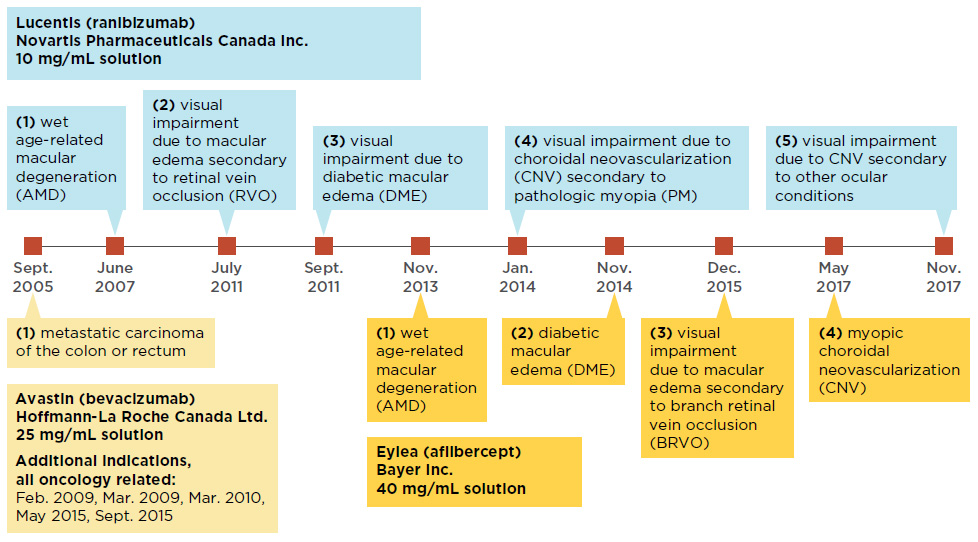
Market Intelligence Report Anti Vegf Drugs For Retinal Conditions 17
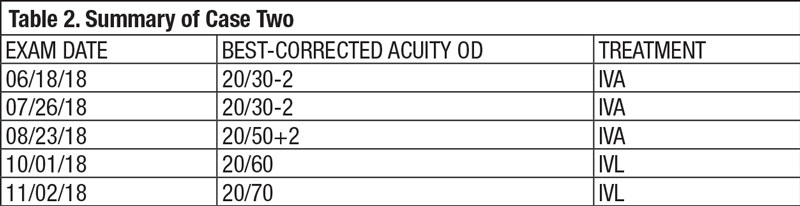
Anti Vegf Where Are We Now

Retinal Physician The Phase 3 Clinical Trial Of Conbercept For Exudative Amd

Top Pdf Anti Vegf 1library

Ocul Current Folio 10k
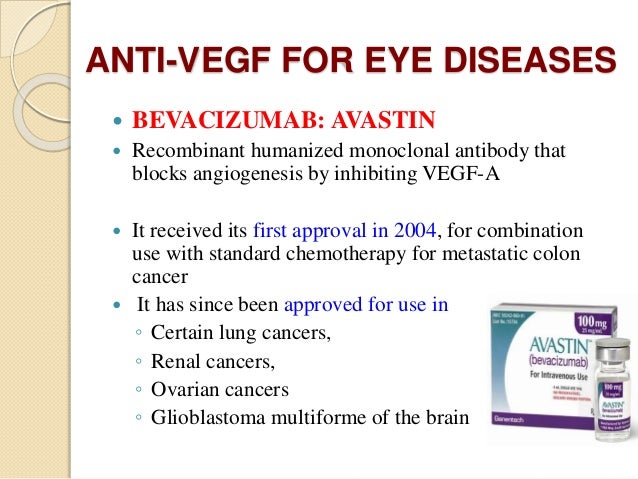
Anti Vegf S In Ophthalmology

Intravitreal Anti Vegf Injection Treatment Algorithms For Dme Retina Today

New Anti Vegf Drugs In Ophthalmology Bentham Science

Nhs Wins Case To Prescribe Cheaper Ophthalmology Drug

Full Text Aflibercept A Review Of Its Use In The Treatment Of Choroidal Neovasc Opth

Serum Vascular Endothelial Growth Factor Levels In The Ivan Trial Relationships With Drug Dosing And Systemic Serious Adverse Events Ophthalmology Retina
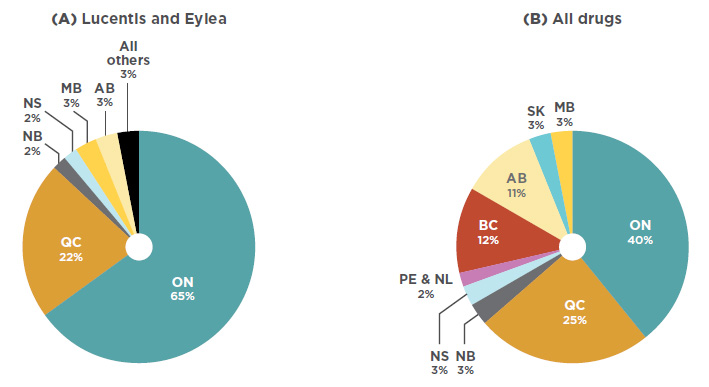
Market Intelligence Report Anti Vegf Drugs For Retinal Conditions 17

Treatment Patterns For Myopic Choroidal Neovascularization In The United States Ophthalmology

Helping Patients Who Do Not Respond To Anti Vegf Therapy Ophthalmology Times

Gene Therapy Intervention In Neovascular Eye Disease A Recent Update Sciencedirect

Treat Science Of Rvo

Retinal Physician Treatment Of Retinal Vein Occlusion
Anti Vegf In Ophthalmology

Anti Vegf Therapy Eurotimes

Comparison Of Intravitreal Dexamethasone Implant And Anti Vegf Drugs In The Treatment Of Retinal Vein Occlusion Induced Oedema A Meta Analysis And Systematic Review Bmj Open

Anti Vegf Therapy In Ophthalmology A Qualitative Analysis Of Transformative Drug Development Semantic Scholar

Anti Vascular Endothelial Growth Factor Use And Atrophy In Neovascular Age Related Macular Degeneration Ophthalmology

Intravitreal Injection Of Vegf Inhibitors Impact Of Drug Containers Ondrugdelivery

How Have Intravitreal Anti Vegf And Dexamethasone Implant Been Used In Italy A Multiregional Population Based Study In The Years 10 16

Anti Vegf Therapy Identifying Safety Trends Ophthalmology Times
Anti Vegf S In Ophthalmology
Frontiers Intravitreal Anti Vegf Drugs And Signals Of Dementia And Parkinson Like Events Analysis Of The Vigibase Database Of Spontaneous Reports Pharmacology
Intravitreal Anti Vegf Agents And Cardiovascular Risk Springerlink

Anti Vegf Treatment For Wet Armd

Anti Vegf Agents Available For The Treatment Of Amd Download Table

An Effective Eye Drug Is Available For 50 But Many Doctors Choose A 2 000 Alternative The Washington Post
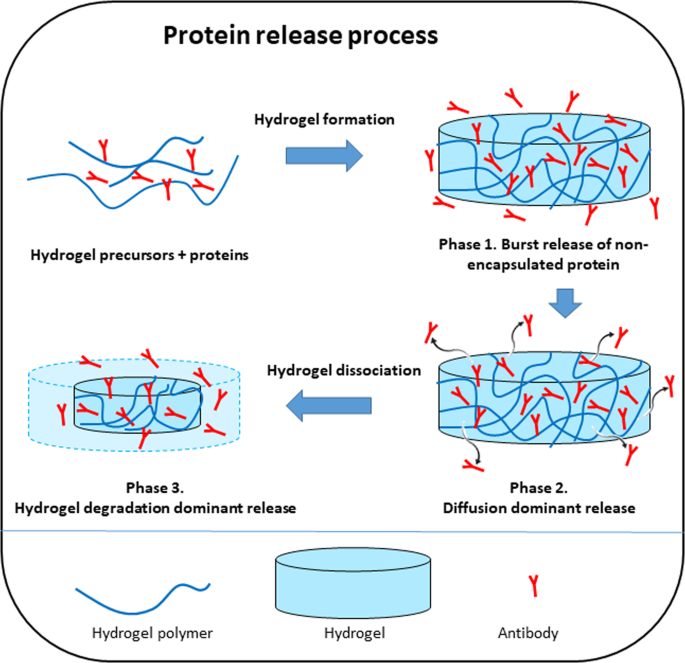
Use Of Biomaterials For Sustained Delivery Of Anti Vegf To Treat Retinal Diseases Eye
Comparison Of Anti Vegf Treatments For Wet Amd American Academy Of Ophthalmology
Addressing The Anti Vegf Treatment Burden
What Makes For A Poor Anti Vegf Responder
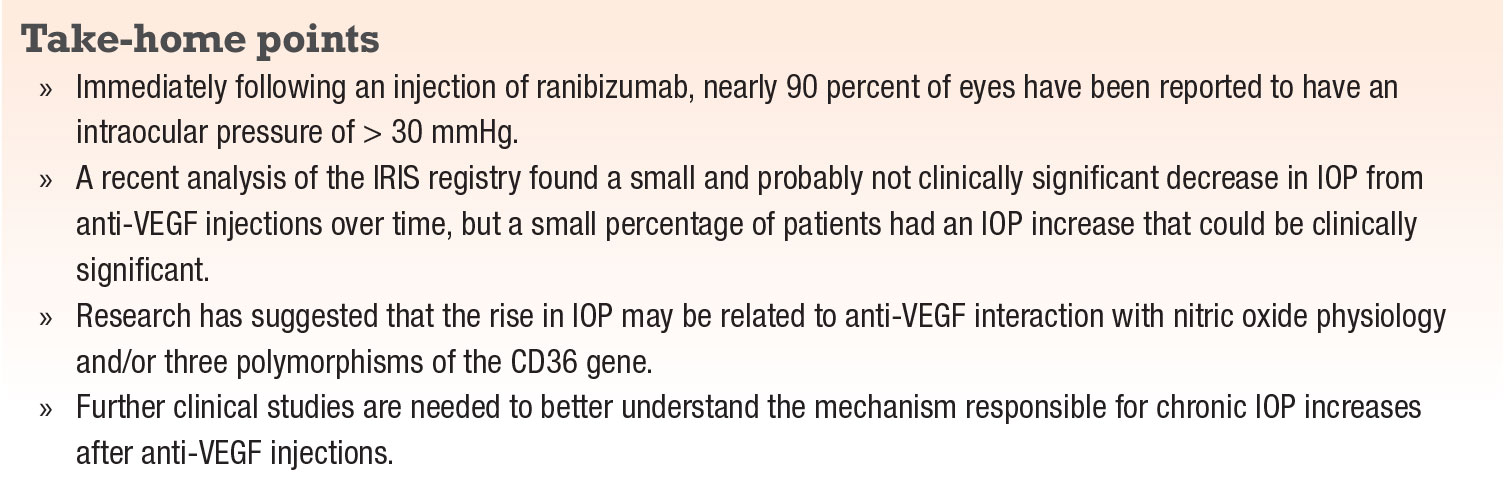
Iop And Anti Vegf Drugs What We Know So Far
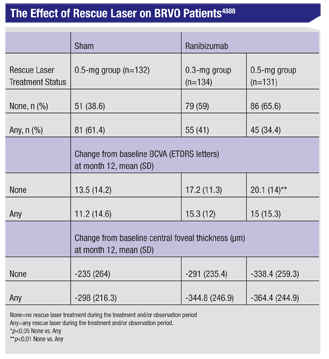
Arvo Retina Focuses On Anti Vegf Drugs

Why Timing Is Everything In Amd Modern Retina
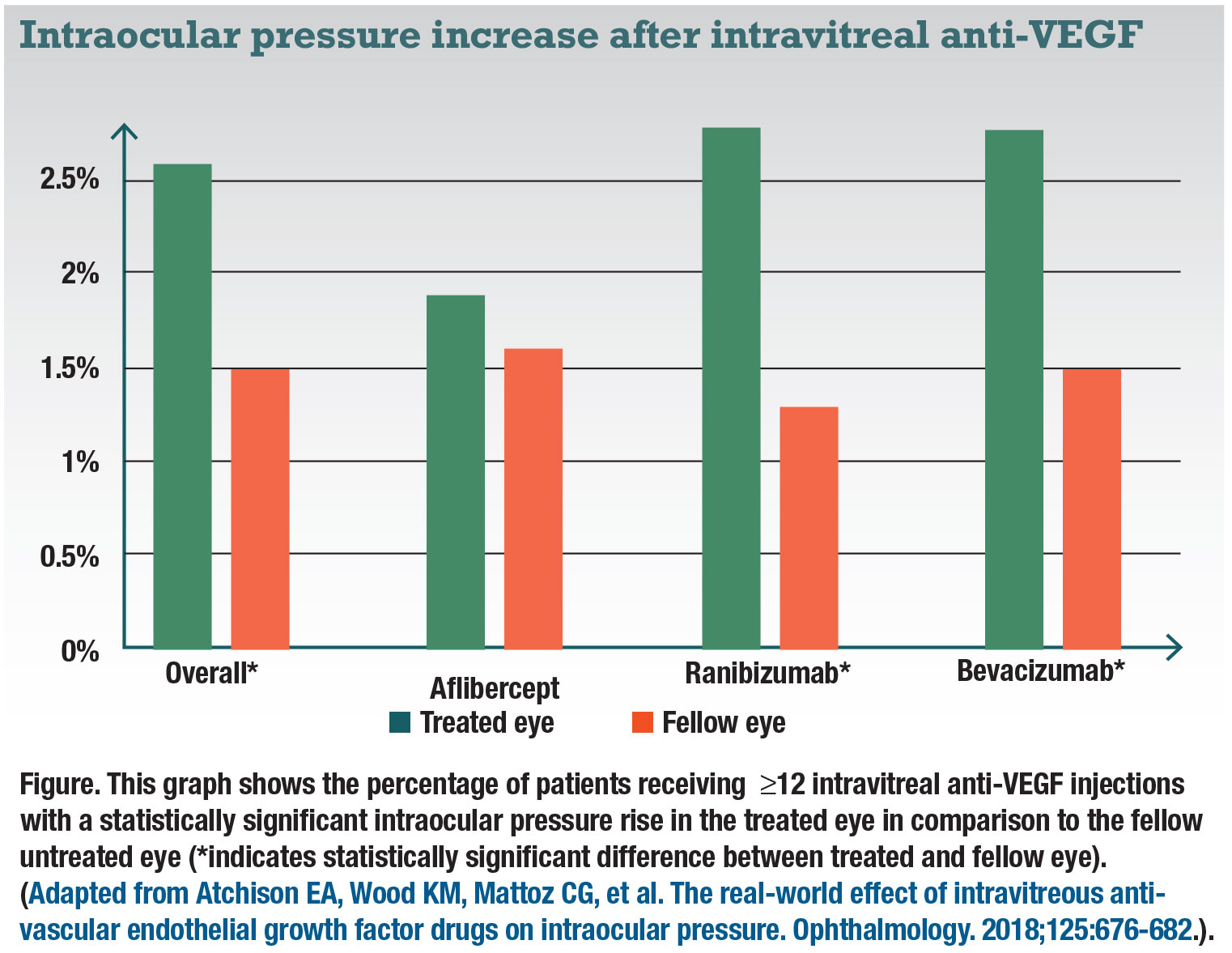
Iop And Anti Vegf Drugs What We Know So Far

Ophthalmology Management October
Cost Comparison Table Of Anti Vegf Therapies For Wamd Aflibercept Eylea Ncbi Bookshelf

Highly Potent Vegf A Antagonistic Darpins As Anti Angiogenic Agents For Topical And Intravitreal Applications Topic Of Research Paper In Clinical Medicine Download Scholarly Article Pdf And Read For Free On Cyberleninka Open Science

Review Of Neovascular Age Related Macular Degeneration Treatment Options Ajmc

Frontiers Intravitreal Anti Vegf Drugs And Signals Of Dementia And Parkinson Like Events Analysis Of The Vigibase Database Of Spontaneous Reports Pharmacology

Intraocular Pharmacokinetics Of Anti Vascular Endothelial Growth Factor Agents By Intraoperative Subretinal Versus Intravitreal Injection In Silicone Oil Filled Eyes Of Proliferative Diabetic Retinopathy A Randomized Controlled Pilot Study Yao Acta

What Is New With Anti Vegf Therapy For Dme Retina Today
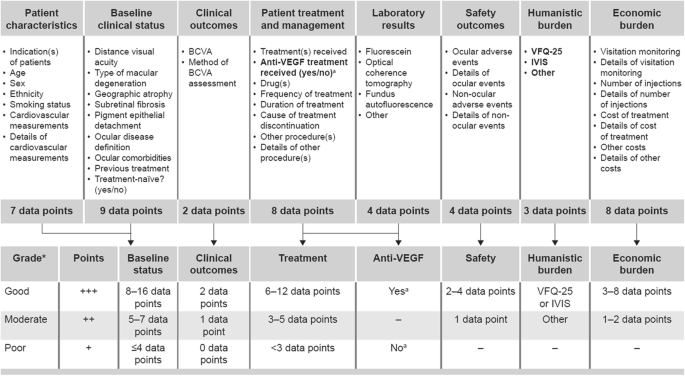
Real World Data In Retinal Diseases Treated With Anti Vascular Endothelial Growth Factor Anti Vegf Therapy A Systematic Approach To Identify And Characterize Data Sources Bmc Ophthalmology Full Text
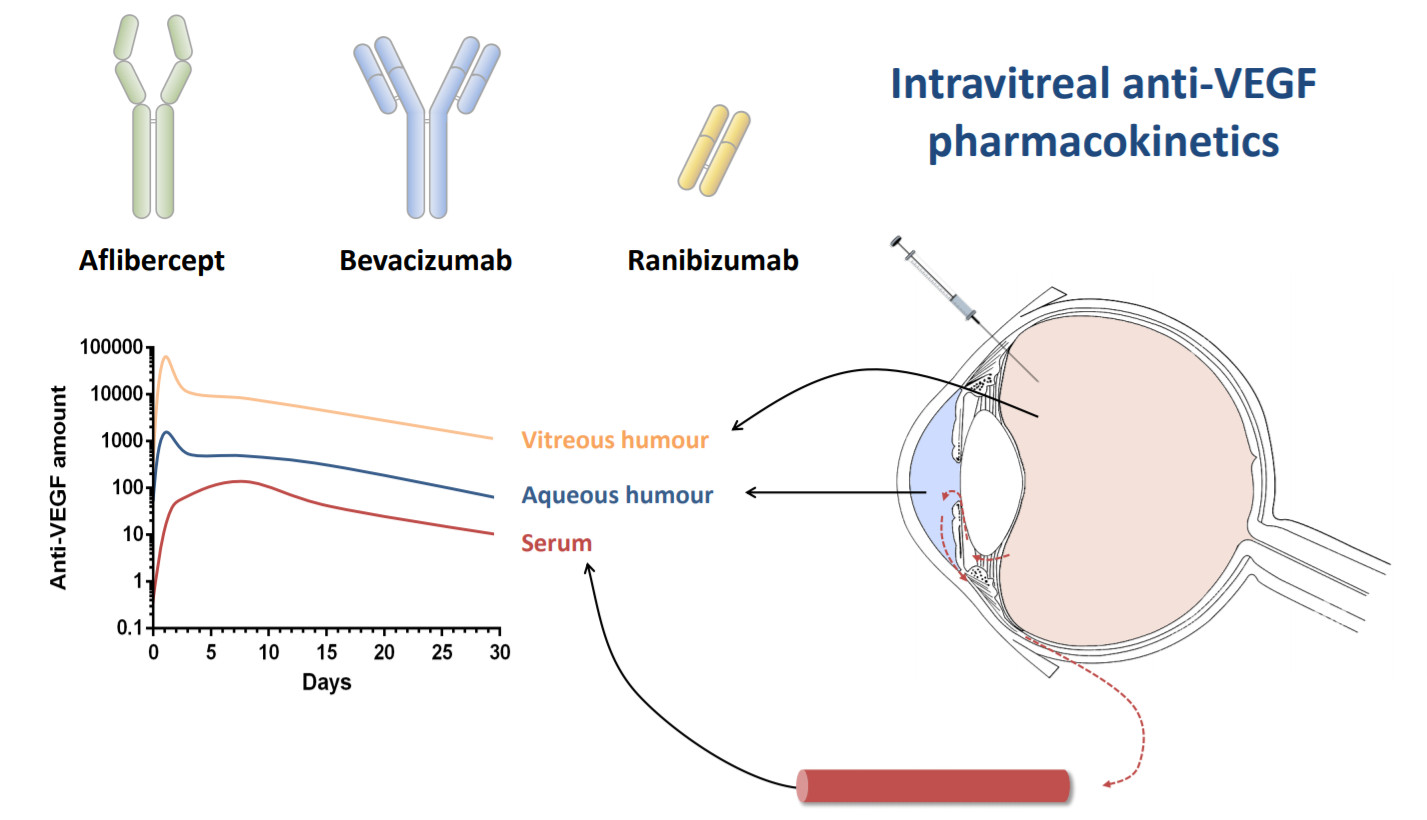
Pharmaceutics Free Full Text Pharmacokinetics Of Intravitreal Anti Vegf Drugs In Age Related Macular Degeneration Html

Visual Acuity Outcomes And Anti Vascular Endothelial Growth Factor Therapy Intensity In Neovascular Age Related Macular Degeneration Patients Ophthalmology Retina
Anti Vegf 19 The State Of The Art
Anti Vegf Use In Ophthalmology Slack Books

Current Anti Vegf Agents On Retinal Diseases Download Table

Treatment Of Rop With Anti Vegf Therapy A Chilean Perspective Retina Today
Community Eye Health Journal Anti Vegf Drugs Evidence For Effectiveness
Anti Vegf 19 The State Of The Art
Market Intelligence Report Anti Vegf Drugs For Retinal Conditions 17

Lapse In Care May Yield Lost Visual Acuity In Amd

The Real World Effect Of Intravitreous Anti Vegf Drugs On Iop An Analysis Using The Iris Registry Modern Retina

Aflibercept Shows Promise As A Game Changer For Patients With Age Related Macular Degeneration Mayo Clinic
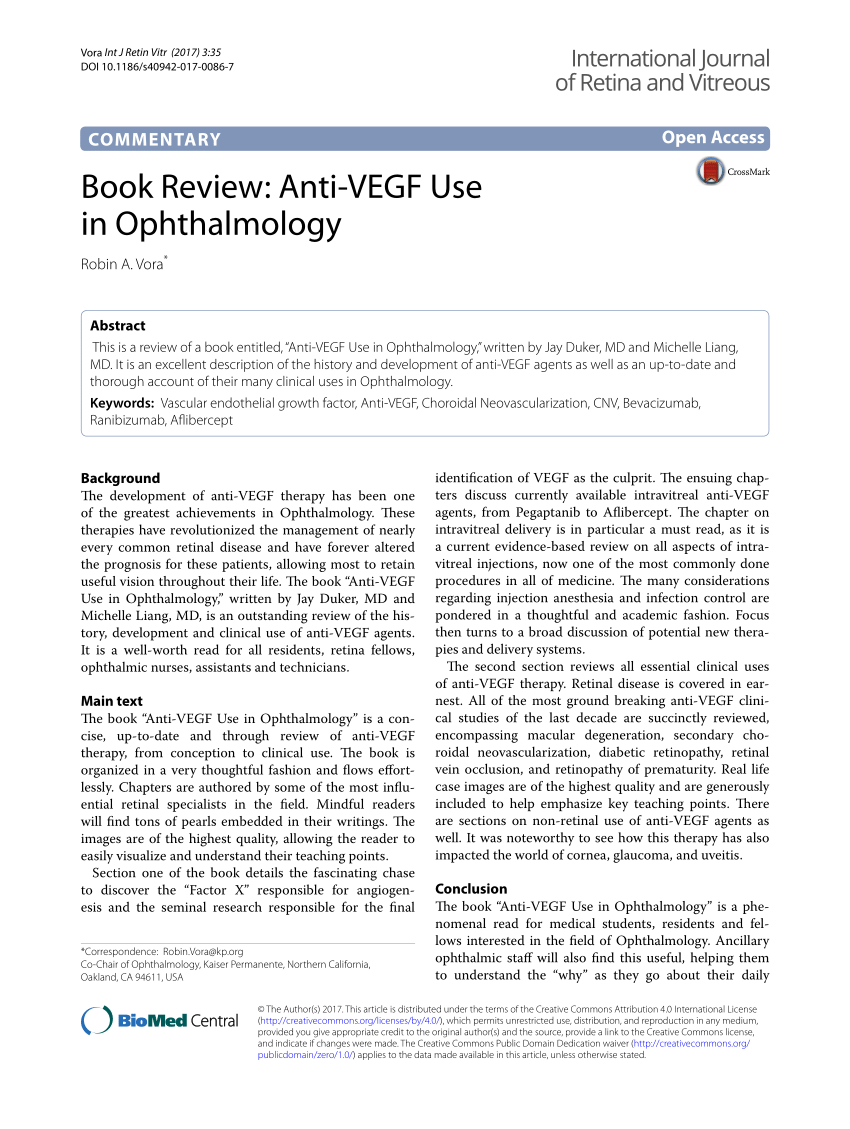
Pdf Book Review Anti Vegf Use In Ophthalmology
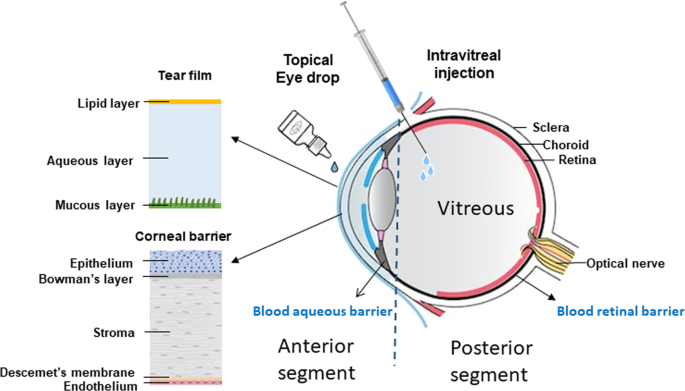
Use Of Biomaterials For Sustained Delivery Of Anti Vegf To Treat Retinal Diseases Eye
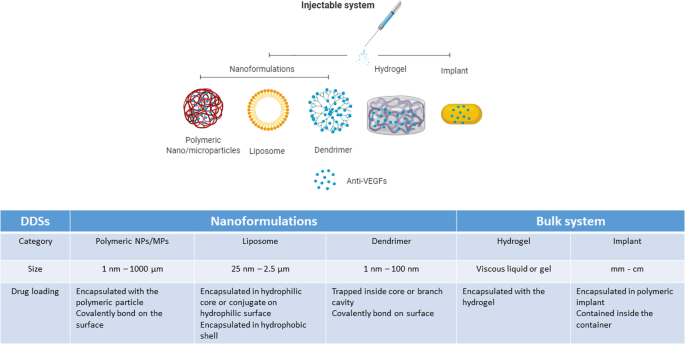
Use Of Biomaterials For Sustained Delivery Of Anti Vegf To Treat Retinal Diseases Eye
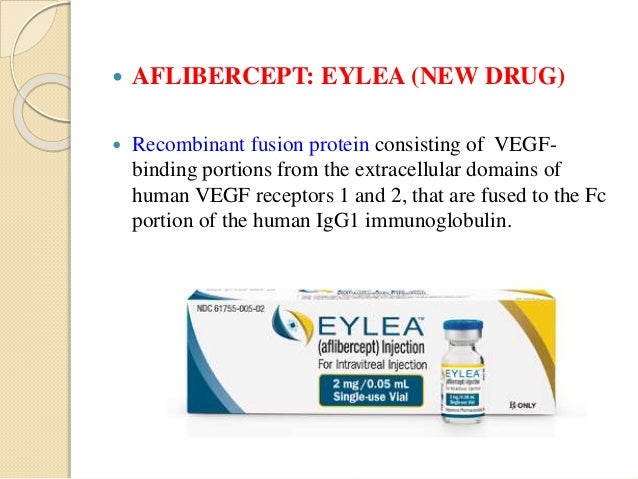
Anti Vegf S In Ophthalmology

Full Text Resistance To Anti Vegf Therapy In Neovascular Age Related Macular Deg Dddt
Targeting Unmet Needs In Namd Treatment


