Corneal Cross Linking Recovery

Corneal Crosslinking Dr Jay Schwartz
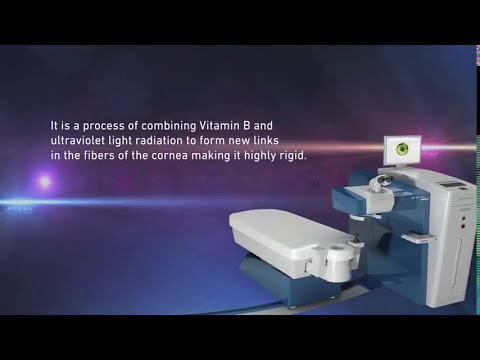
What Is Corneal Collagen Cross Linking Youtube
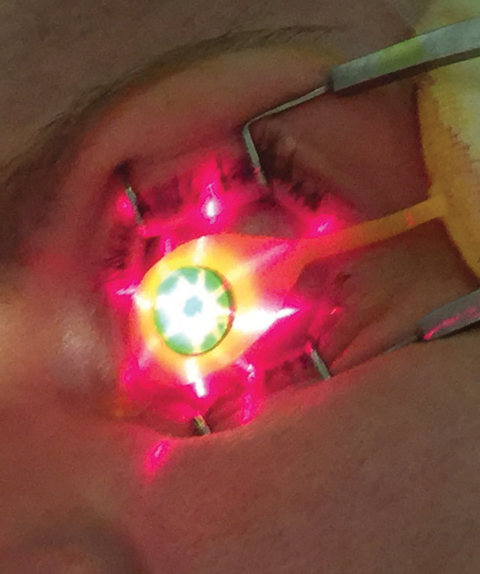
Your Top 12 Crosslinking Questions Answered

About Corneal Cross Linking Cxl Abroad Intclinics

Corneal Collagen Cross Linking Fraser Valley Cataract And Laser

My Eye Surgery Experience Prk With Collagen Crosslinking Juli Clover
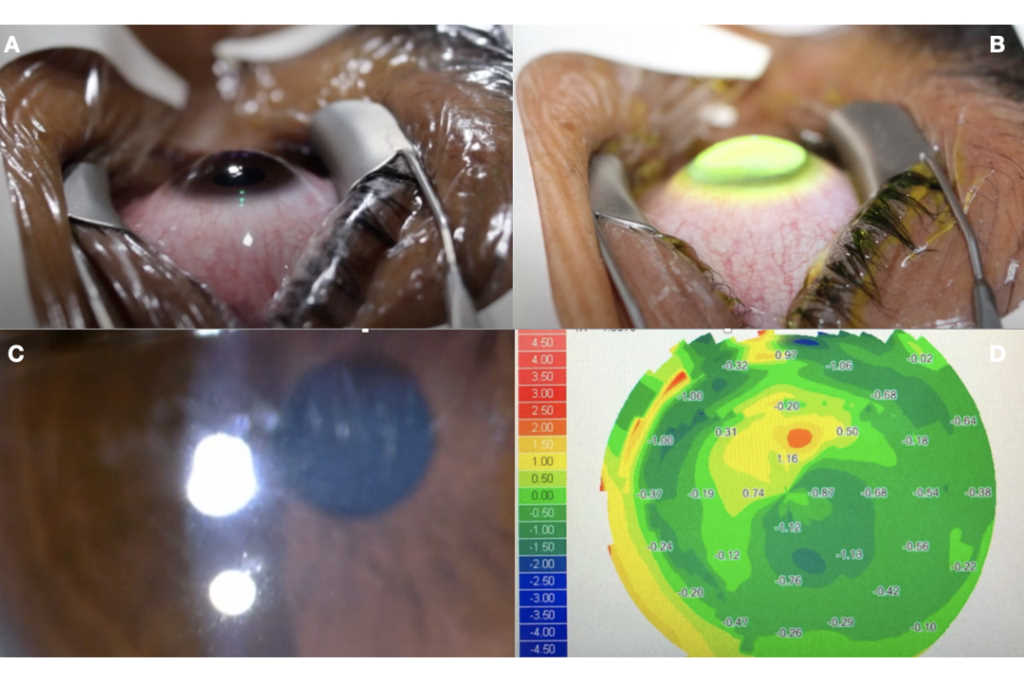
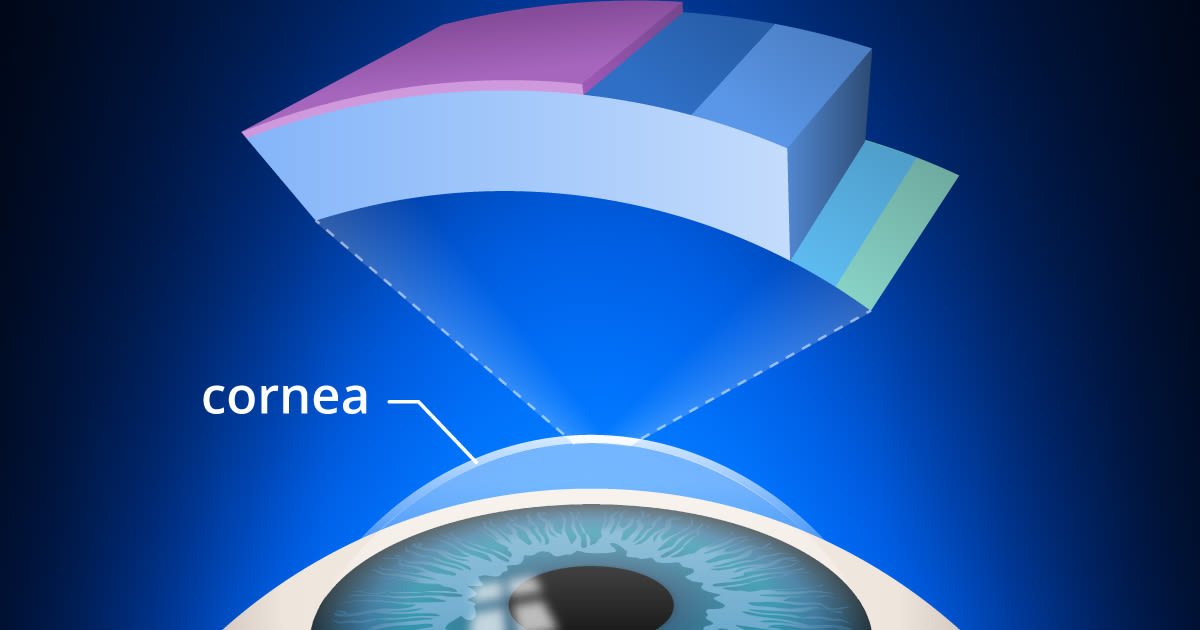
Corneal crosslinking is a treatment that uses a biochemical reaction to mechanically strengthen and stiffen the cornea It is used to stop the progression of corneal ectasia, which is when the corneal tissue weakens and bulges, thus losing its normal domelike shape.

Corneal cross linking recovery. An inside look at how Corneal Crosslinking for vision correction is performed Dr Terrence Doherty at Loden iVision Centers is a Fellowship Trained Cornea e. Talk to your keratoconus specialist about an expert and experienced surgeon for your treatment At The Eye Practice, we see keratoconus patients every day and we regularly refer patients for cross linking Call on (02) 9290 19 for an appointment today or book online You can read more about cross linking recovery here. Corneal Cross Linking About the process In the treatment of Keratoconus or Pellucid Marginal Degeneration (PMD) the aim is to strengthen the Success expectations In mild to moderate Keratoconus, CXL can stop disease progression in virtually all eyes It is Procedure In order to deliver.
Collagen crosslinking is approved by the FDA as a safe and effective method for the stabilization of keratoconus and postrefractive ectasia The cornea is treated with riboflavin, then UVA, to induce covalent crosslinkages that strengthen the cornea Epitheliumoff crosslinking is more effective, but epitheliumon has fewer complications. Visual Recovery Presbyopia (need for reading glasses) Corneal Cross Linking (CXL) Keratoconus and Treatment Options Importance of Complete Eye Exams Amsler Grid Corneal Topography Fluorescein Angiography Fundus Photography Optical Coherence Tomography (OCT). Cornea crosslinking recovery After treatment, you will need someone to drive you home You will receive special eye drops and antibiotic ointment to help prevent infection For 37 days, you will need to avoid sun exposure and stay in a quiet, dark room.
Corneal cross linking attempts to strengthen the bonds within the cornea to create stability Your doctor will first instill topical anesthetic eye drops There are two ways to cross link with the epithelial cells (top layer of your cornea) left intact or removed to expose the middle layers. Awareness of the potential side effects and complications of corneal crosslinking, a strong focus on reestablishing ocular surface health, and patient counseling both before and after surgery are key strategies for improving visual outcomes, patient recovery, satisfaction, and comfort after crosslinking. Touch or rub your eyes.
47 Wernli J, Schumacher S, Spoerl E, Mrochen M The efficacy of corneal crosslinking shows a sudden decrease with very high intensity UV light and short treatment time Invest Ophthalmol Vis Sci 13;. What to Know About Recovery Corneal crosslinking is a surgical procedure designed to help people with keratoconus The condition can be hereditary, or it can develop after a refractive surgery (like LASIK) Doctors use a vitamin solution and light to strengthen eye structures and resolve the distortion keratoconus can cause. Corneal CrossLinking Recovery Our eye doctors will prescribe you eye drops and medication to help your eye heal Avoid rubbing and/or bumping your eye Early treatment is most effective at stopping the progression of keratoconus.
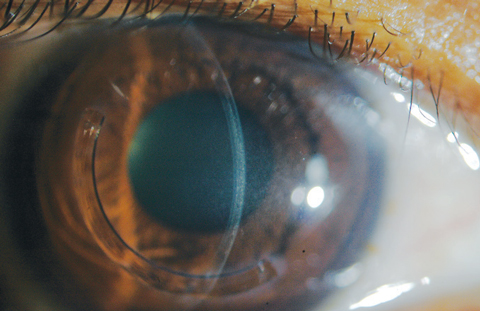
Recovery Process The recovery of epitheliumoff CXL is much like the recovery with any corneal epithelial delamination procedure, such as PRK Although a bandage contact lens will enhance patient comfort, many may still experience ocular discomfort or pain until the epithelial defect closes, which usually occurs in three to five days. Recovery from Corneal Cross Linking A return to normal daily activities after Corneal Collagen Cross Linking (CXL) surgery usually takes about 12 weeks During the first month after CXL surgery, the vision may fluctuate One week after surgery it’s important NOT to use eye makeup;. Corneal Cross Linking Recovery Process After the corneal crosslinking procedure has been completed, topical antibiotic and antiinflammatory drops may be prescribed by your eye doctor Your doctor will also insert a contact lens to aid in the healing process.
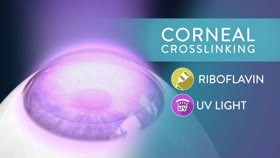
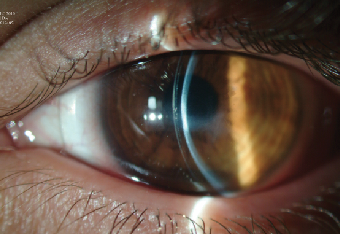
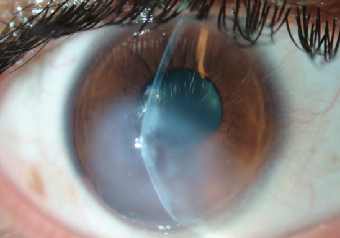
What Is Corneal CrossLinking?. Corneal collagen crosslinking is a noninvasive procedure that combines the use of ultraviolet (UV) light and riboflavin (vitamin B2) eye drops The treatment shortens and thickens the collagen fibers and creates new collagen crosslinks, resulting in stiffening and strengthening of the cornea Crosslinking is shown to. Most patients can return to wearing contact lenses 2 to 6 weeks after having the crosslinking procedure depending on whether you are a candidate for transepithelial corneal crosslinking Your surgeon will determine how long this might take in your case.
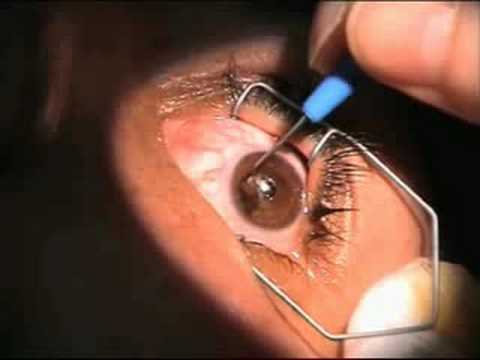
After numbing drops are applied, the epithelium (the thin layer on the surface of the cornea) is gently removed Photrexa Viscous eye drops will be applied to the cornea for at least 30 minutes Depending on the thickness of your cornea,. For patients who have been diagnosed with thin or misshaped corneas, a minimally invasive outpatient procedure, known as Corneal Cross Linking (also known as or CXL or Collagen Crosslinking), is the only FDA approved technology that can slow, or even stop, the progression of corneal warping and steepening (known as keratoconus). Corneal crosslinking (CXL) has been performed worldwide for around years and was approved by the FDA in April 16 Surgeons have performed CXL to treat keratoconus and other corneal degenerative diseases, including pellucid marginal degeneration and ectasia after refractive surgery.
Corneal crosslinking is performed in an office setting and takes approximately 2 hours total for prep time, treatment time, and proper recovery time The most wonderful thing about this procedure is that it is a minimally invasive procedure and involves only eye drops, UV light, and a painless brushing off of the surface cells of the cornea. If you undergo an epithelium on corneal crosslinking procedure, you will likely have minimal pain after the surgery, and your cornea can heal in as little as a day For an epitheliumoff corneal crosslinking procedure, you will be prescribed topical antiinflammatory and antibiotics for your eye. Recovery from corneal crosslinking is both simple and straightforward If necessary, the surgeon may apply a bandage contact lens You may also be prescribed topical antibiotic and antiinflammatory drops Mild eye irritation after corneal crosslinking is common, but the eye typically heals within several weeks.
For patients who have been diagnosed with thin or misshaped corneas, a minimally invasive outpatient procedure, known as Corneal Cross Linking (also known as or CXL or Collagen Crosslinking), is the only FDA approved technology that can slow, or even stop, the progression of corneal warping and steepening (known as keratoconus). For patients who have been diagnosed with thin or misshaped corneas, a minimally invasive outpatient procedure, known as Corneal Cross Linking (also known as or CXL or Collagen Crosslinking), is the only FDA approved technology that can slow, or even stop, the progression of corneal warping and steepening (known as keratoconus). Recovery from corneal crosslinking is a fairly simple process In the days after the procedure, you’ll administer antiinflammatory eye drops and a topical antibiotic as needed to minimize any pain and ward off infection.
The efficacy of corneal crosslinking shows a sudden decrease with very high intensity UV light and short treatment time Invest Ophthalmol Vis Sci 1354, 1176–1180 ↑ 100 101 Ghanem VC, Ghanem RC, De Oliveira R Postoperative pain after corneal collagen crosslinking. Corneal crosslinking (CXL) is a treatment for patients with keratoconus which can prevent their condition getting worse It is successful in more than 90% of cases After treatment, you will still need to wear spectacles or contact lenses Your eye will be sore for about one week after the procedure. Crosslinking is a minimally invasive treatment that is designed to strengthen the cornea for patients suffering from degenerative corneal diseases such as keratoconus and corneal ectasia The crosslinking treatment utilizes controlled applications of ultraviolet light and riboflavin (vitamin B2) drops to rebuild collagen.
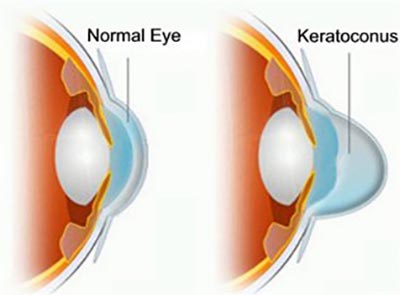
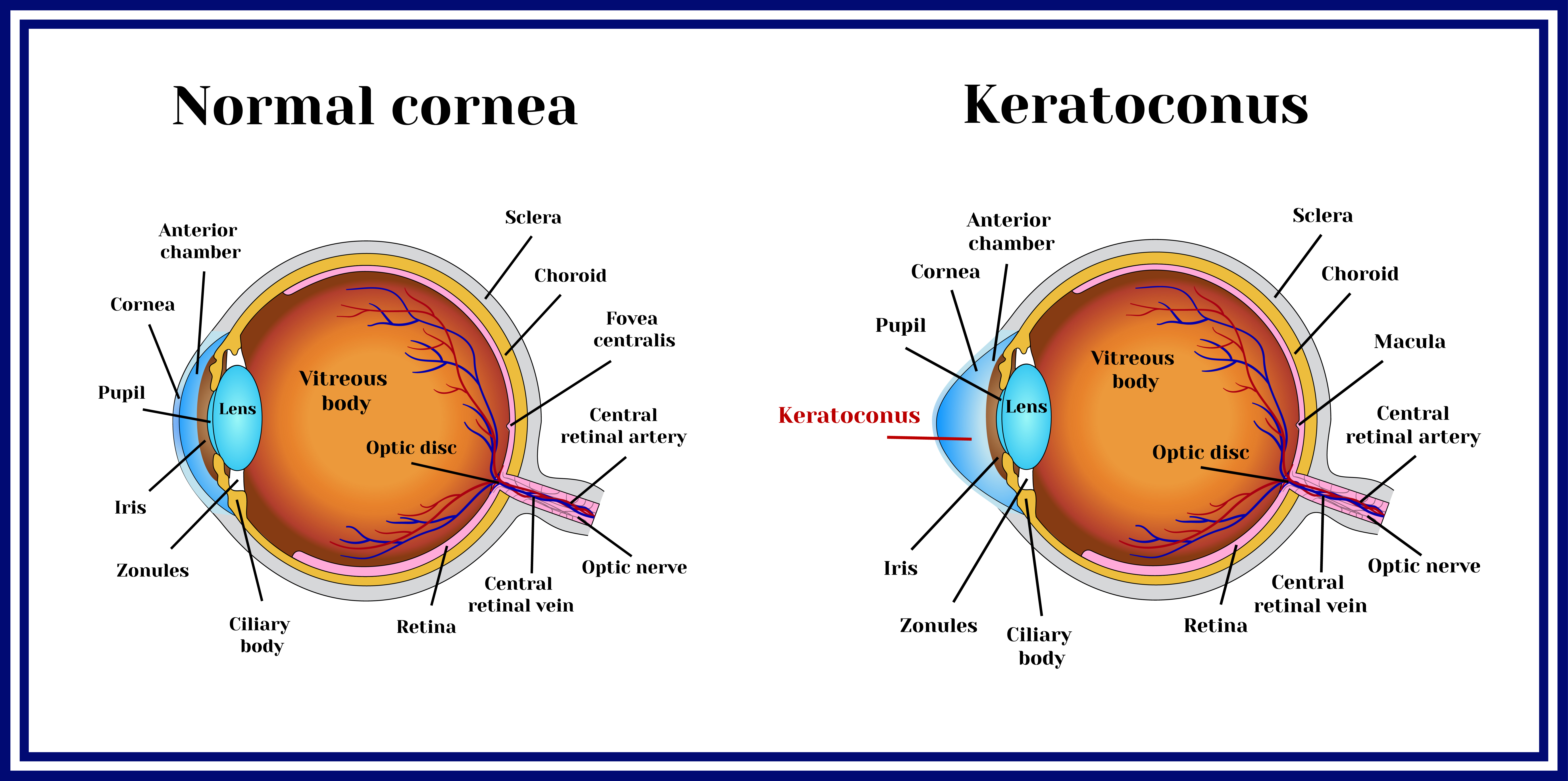
Crosslinking is approved for use in people with Keratoconus. Corneal CrossLinking PostOperative Instructions Medications Prednisolone Acetate 1% ophthalmic suspension Week 1 One drop two times per day Week 2 One drop one time per day 4th Generation Fluoroquinolone Week 1 One drop 34 times per day Eye drop use and instructions Wash your hands before putting in drops. Corneal crosslinking Corneal crosslinking (CXL) is a treatment which prevents keratoconus getting worse Keratoconus is a non inflammatory eye condition in which the normally round domeshaped clear window of the eye (cornea) progressively thins, causing a conelike bulge to develop CXL treatment is successful in more than 90% of cases.
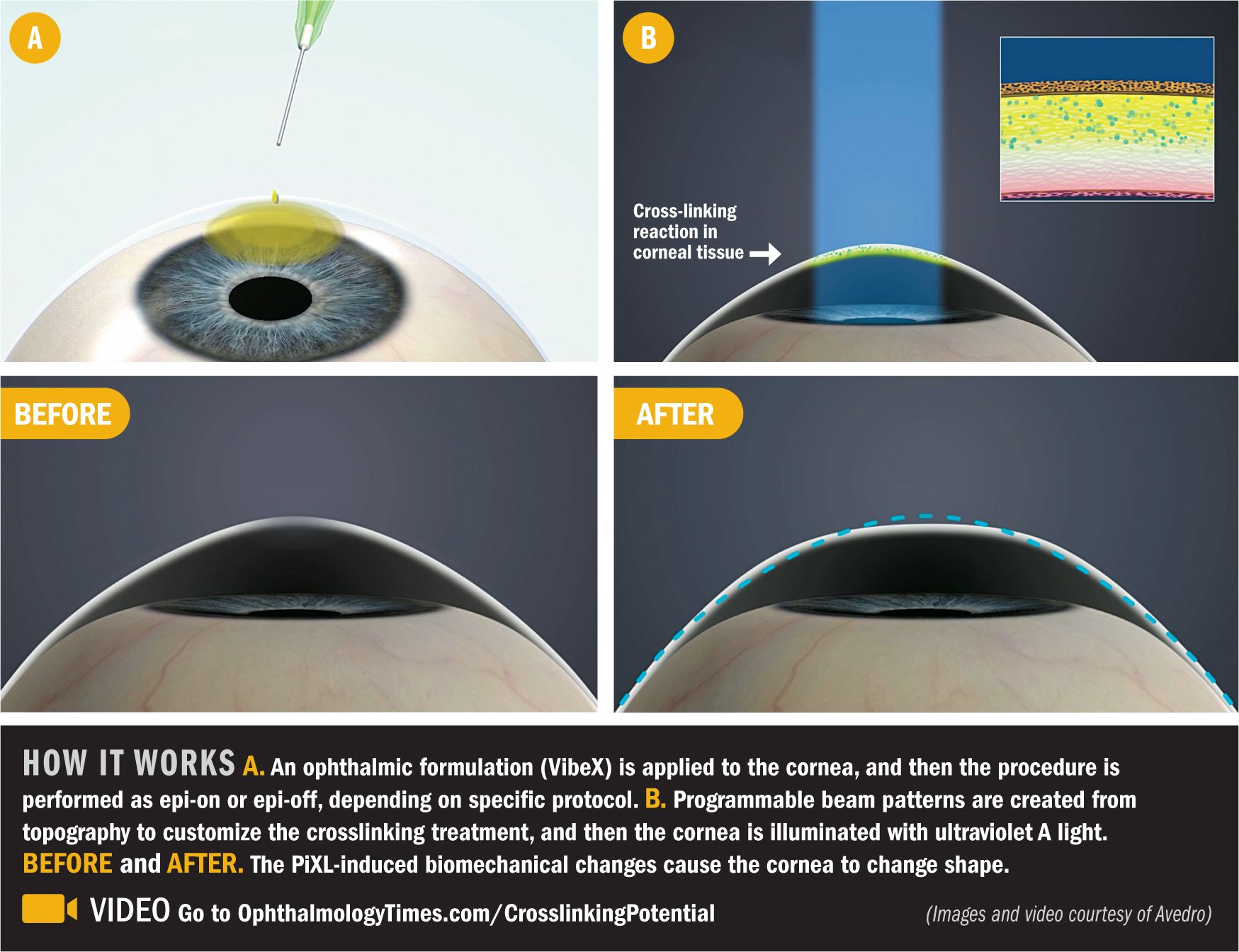
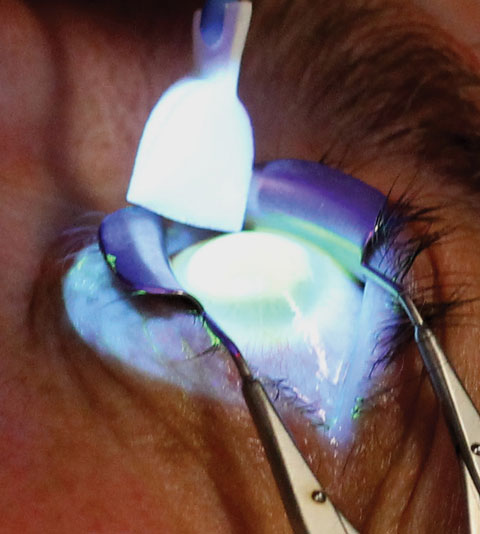
Recovery from corneal crosslinking is a fairly simple process In the days after the procedure, you’ll administer antiinflammatory eye drops and a topical antibiotic as needed to minimize any pain and ward off infection. Corneal crosslinking surgery is a twostep process that involves the use of eye drops (riboflavin) followed by controlled exposure to ultraviolet (UV) light The goal of this procedure is to regain the strength of corneal tissues of the eyes. A special UV light is then placed in front of your eye for 10 minutes The combination of Riboflavin and UV light causes extra connections (cross links) to form between the collagen fibres that make up your cornea This results in your cornea becoming stronger This is a process that occurs naturally with age.
What is corneal crosslinking?. Corneal Cross Linking Recovery Process After the corneal crosslinking procedure has been completed, topical antibiotic and antiinflammatory drops may be prescribed by your eye doctor Your doctor will also insert a contact lens to aid in the healing process. Corneal crosslinking Corneal crosslinking (CXL) is a treatment which prevents keratoconus getting worse Keratoconus is a non inflammatory eye condition in which the normally round domeshaped clear window of the eye (cornea) progressively thins, causing a conelike bulge to develop CXL treatment is successful in more than 90% of cases.
Recovery Process The recovery of epitheliumoff CXL is much like the recovery with any corneal epithelial delamination procedure, such as PRK Although a bandage contact lens will enhance patient comfort, many may still experience ocular discomfort or pain until the epithelial defect closes, which usually occurs in three to five days. Corneal CrossLinking Recovery Our eye doctors will prescribe you eye drops and medication to help your eye heal Avoid rubbing and/or bumping your eye Early treatment is most effective at stopping the progression of keratoconus. Corneal Cross Linking Overview Causes of Unstable Cornea The two most common causes of corneal instability are cornea ectasia and keratoconus, and its Procedure Corneal cross linking attempts to strengthen the bonds within the cornea to create stability Your doctor Recovery A few days.
What can I expect during the Corneal CrossLinking Procedure?. This procedure is performed when no other treatment is an option Recovery is quite long, up to a full year much of the time Summit Eye Center has been performing corneal crosslinking since 15 through participation in clinical trials and now as a Food and Drug Administration (FDA) approved procedure. We encourage you to take your eyes closed as much as possible for the remainder of the day to allow for proper healing You will have a bandage contact lens in your eye for 37 days after surgery If the contact lens falls out DO NOT put it back into the eye as this may lead to infection.
UPDATE Dr Cronin now performs cross linking at NO GAP rates for patients with health insurance Patients can also have intravenous sedation (also at NO GA. Patient information – external disease and corneal service Corneal crosslinking Corneal crosslinking (CXL) is a treatment for patients with keratoconus which can prevent their condition getting worse It is successful in more than 90% of cases After treatment, you will still need to wear spectacles or contact lenses Your eye will. Corneal crosslinking is primarily intended to stop your vision from getting worse Immediately following your procedure, your vision may be a bit blurry, but it should improve over the next three to six weeks Once you have recovered, you could enjoy stable vision that will last for many years, if not the rest of your life.
Crosslinking is a minimally invasive, FDA approved, outpatient procedure that combines the use of prescription eye drops, Photrexa® Viscous (riboflavin5’phosphate in % dextran ophthalmic solution), Photrexa® (riboflavin 5’phosphate ophthalmic solution), and ultraviolet A (UVA) light from the KXL® system for the treatment of progressive keratoconus. The noninvasive treatment C3R®* (corneal collagen crosslinking riboflavin) treatment has been proven to strengthen the weak corneal structure in keratoconus This method works by increasing collagen crosslinking, which are the natural “anchors” within the cornea. Corneal collagen crosslinking is a relatively new procedure that aims to strengthen the cornea in order to slow or halt progression in keratoconus It achieves this through a chemical reaction using a combination of riboflavin (vitamin B2) and ultraviolet (UVA) light to strengthen the crosslinks between the collagen fibres within the stroma.
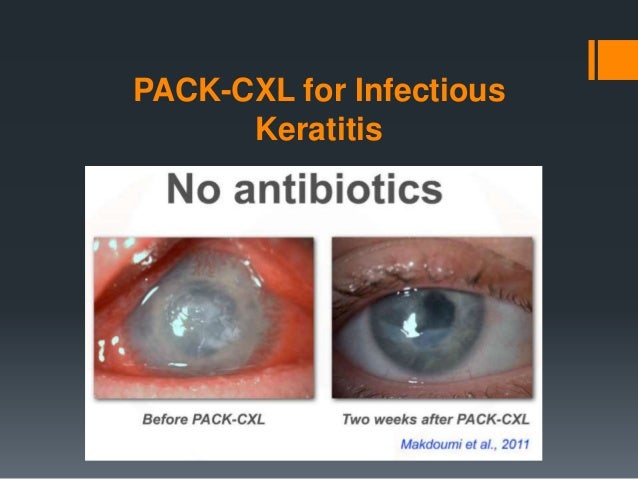
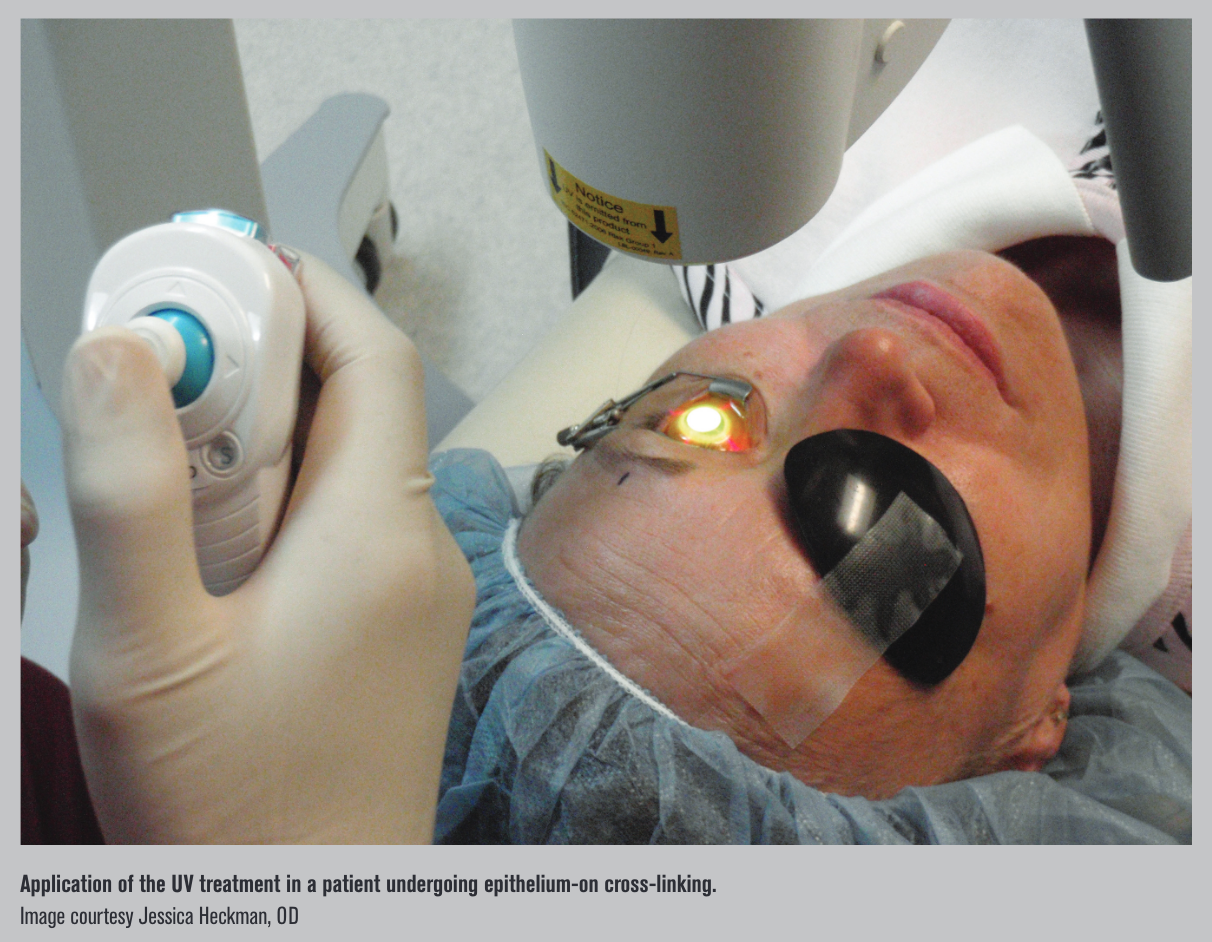
Corneal crosslinking is performed in an office setting and takes approximately 2 hours total for prep time, treatment time, and proper recovery time The most wonderful thing about this procedure is that it is a minimally invasive procedure and involves only eye drops, UV light, and a painless brushing off of the surface cells of the cornea. Using a combination of ultraviolet light (UVA) and riboflavin eye drops, corneal crosslinking has taken a relatively simple combination and created an intriguing treatment paradigm for not only corneal ectatic diseases such as keratoconus, but possibly other indications such as infectious keratitis 2 Seiler and colleagues made popular the “Dresden Protocol” specifying the parameters of CXL, which has now blossomed in to a multitude of variations and modifications aimed at reducing. The two basic types of corneal crosslinking are Epitheliumoff crosslinking In this procedure, the thin outer layer (epithelium) of the cornea is removed to allow the liquid riboflavin to more easily penetrate the deeper corneal tissue Epitheliumon crosslinking In this procedure (also called transepithelial crosslinking), the protective corneal epithelium is left intact, making it a less invasive procedure than crosslinking with epithelium removal.
Crosslinking is surgery to treat a weakened or warped cornea Disease or sometimes surgery can harm collagen—an important substance that holds the cornea together “Crosslinking” new collagen fibers together strengthens and reinforces the cornea Who Might Benefit from CrossLinking?. Visual Recovery Presbyopia (need for reading glasses) Corneal Cross Linking (CXL) Keratoconus and Treatment Options Importance of Complete Eye Exams Amsler Grid Corneal Topography Fluorescein Angiography Fundus Photography Optical Coherence Tomography (OCT). Corneal collagen crosslinking, primarily used as a way to address keratoconus and corneal ectasia, is currently in the midst of that process The biggest evolutionary shift taking place today is the move from procedures that require removal of the epithelium to ones that don’t However, other variations are being tried as well.
Be in places that are smoky or dusty;. Corneal collagen crosslinking (CXL) is a treatment to prevent your keratoconus getting worse As natural crosslinking occurs with age, CXL would not be routinely offered to patients in their midthirties onwards Keratoconus (and a similar condition called pellucid marginal degeneration) are the most common indications for CXL Less common. Yes, the corneal crosslinking procedure does require the removal of the epithelium Your doctor will first apply a topical anesthesia (eye drops) to numb the eye prior to removal This removal of the epithelium helps to prepare the eye so that the drug can penetrate the tissue of the cornea allowing an effective crosslinking procedure.
Corneal crosslinking is a minimally invasive outpatient procedure designed to treat progressive keratoconus (and, sometimes, other conditions that cause a similar weakening of the cornea) The corneal crosslinking procedure strengthens and stabilizes the cornea by creating new links between collagen fibers within the cornea. For patients with keratoconus, we offer corneal crosslinking This uses vitamin B2 drops with exposure to UV light for up to 30 minutes to help strengthen the corneal proteins We also offer corneal implants for keratoconus patients who want to restore the healthy shape of their cornea. Awareness of the potential side effects and complications of corneal crosslinking, a strong focus on reestablishing ocular surface health, and patient counseling both before and after surgery are key strategies for improving visual outcomes, patient recovery, satisfaction, and comfort after crosslinking.
In order to decide if Corneal CrossLinking (KXL) would benefit you, a complete corneal evaluation needs to be scheduled At that visit, the doctor will be able to determine if you truly need KXL and discuss with you the treatment and recovery. Crosslinking is a minimally invasive treatment that is designed to strengthen the cornea for patients suffering from degenerative corneal diseases such as keratoconus and corneal ectasia The crosslinking treatment utilizes controlled applications of ultraviolet light and riboflavin (vitamin B2) drops to rebuild collagen. In corneal crosslinking, doctors use eyedrop medication and ultraviolet (UV) light from a special machine to make the tissues in your cornea stronger The goal is to keep the cornea from bulging.
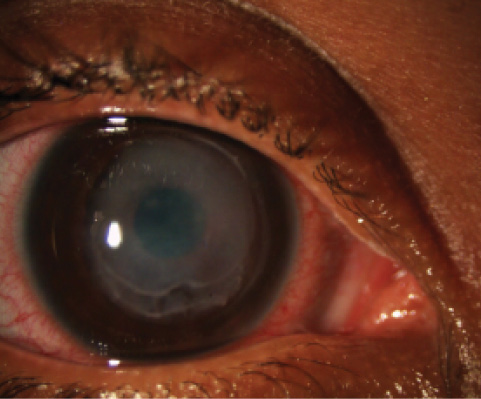
Crsteurope Unexpected Corneal Responses To Cxl

Corneal Cross Linking With Topography Guided Prk Washington D C
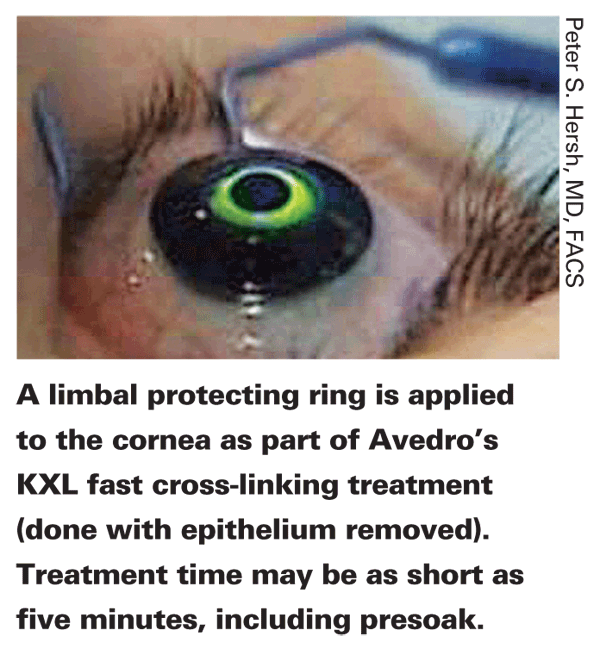
Collagen Cross Linking The Promise Keeps Growing

Does Corneal Crosslinking Cause Any Side Effects Dr Pamel

Corneal Cross Linking Cxl Precision Family Eye Care
The Recent Updates About Corneal Collagen Crosslinking

Corneal Cross Linking Keratoconus Treatment Optimax

What Is Cxl Collagen Cross Linking A Guide Keratoconus Gb Living With Keratoconus

Corneal Cross Linking Keratoconus Treatment Optimax
Regenerative Medicine Speeds Healing Of Eye Tissue Following Surgery

Corneal Cross Linking Success Rates Safety Recovery
Corneal Crosslinking American Academy Of Ophthalmology
Crosslinking Showing Potential For Refractive Correction Ophthalmology Times
Corneal Cross Linking Cxl Procedure Top Eye Doctor Midtown Nyc
Corneal Crosslinking In Eyeonoptics

Corneal Cross Linking Cxl Treatment For Keratoconus Explained

Corneal Collagen Cross Linking For Keratoconus

Cornea Chicago Cross Linking Chicago Chicago Cornea
Corneal Cross Linking Keratoconus Treatment Options Arizona
Contact Lens Use After Corneal Crosslinking

Collagen Cross Linking For Keratoconus In Houston

Keratoconus Bulging Cornea Symptoms Causes Diagnosis Treatment Texas Eye And Cataract

Collagen Cross Linking Keratoconus 2 Months Post Op Youtube

Corneal Collagen Cross Linking For Keratoconus Helps Patients See Better Longer Eyes And Vision Prevention Ut Southwestern Medical Center
Uva Cross Linking Youtube

Corneal Cross Linking Procedure Atlanta Vision Cataract And Laser Center Ophthalmologists

Corneal Collagen Cross Linking Treatmen Recovery Iranian Surgery
Corneal Crosslinking Managing Keratoconus Beyond The Surface
Corneal Cross Linking American Academy Of Ophthalmology

Corneal Cross Linking Keratoconus Treatment Optimax

Corneal Cross Linking San Diego Eye Care Of San Diego
Corneal Cross Linking Recovery Side Effects Cost
Contact Lens Use After Corneal Crosslinking
Your Top 12 Crosslinking Questions Answered
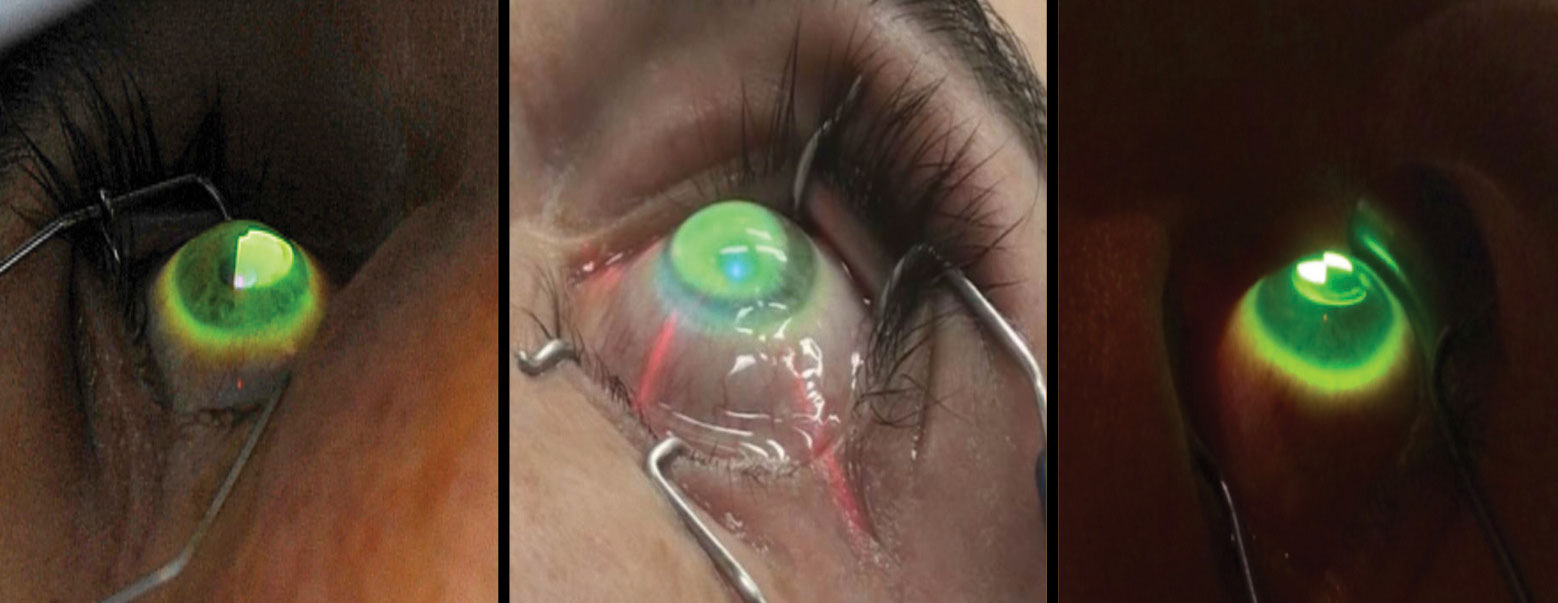
Navigating The Crosslinking Possibilities
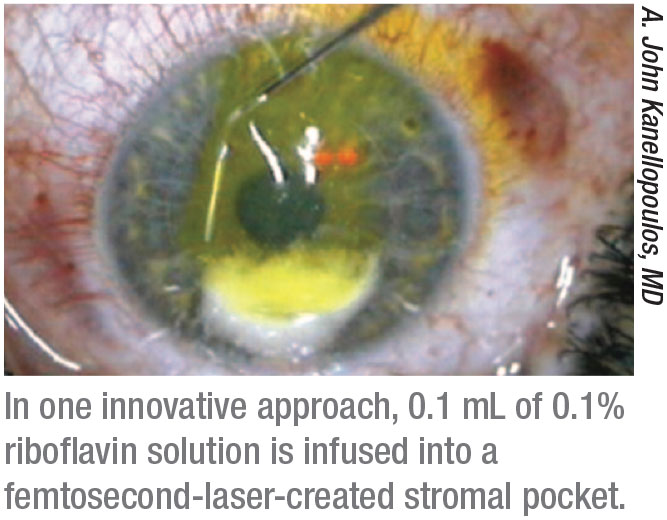
Cross Linking Tackling The Big Questions

Intacs Vs Corneal Cross Linking Washington Dc Keratoconus

Day 2 Recovery Corneal Cross Linking Review Keratoconus Surgery Youtube

Fda Approved Treatment Option For Keratoconus A Sight Threatening Eye Disease Avedro
Corneal Cross Linking Are You A Good Candidate Nkcf Org

Corneal Cross Linking Surgery Dmei Dean Mcgee Eye Institute

Corneal Cross Linking Beach Eye Care Lasik Vision Correction Coastal Virginia Virginia Beach Newport News

Modified Crosslinking In The Treatment Of Purulent Keratitis And Corneal Ulcers Sciencedirect

Cxl Epi On Or Off Eurotimes

Pdf Corneal Wound Healing After Ultraviolet A Riboflavin Collagen Cross Linking A Rabbit Study

Corneal Cross Linking Procedure Atlanta Vision Cataract And Laser Center Ophthalmologists
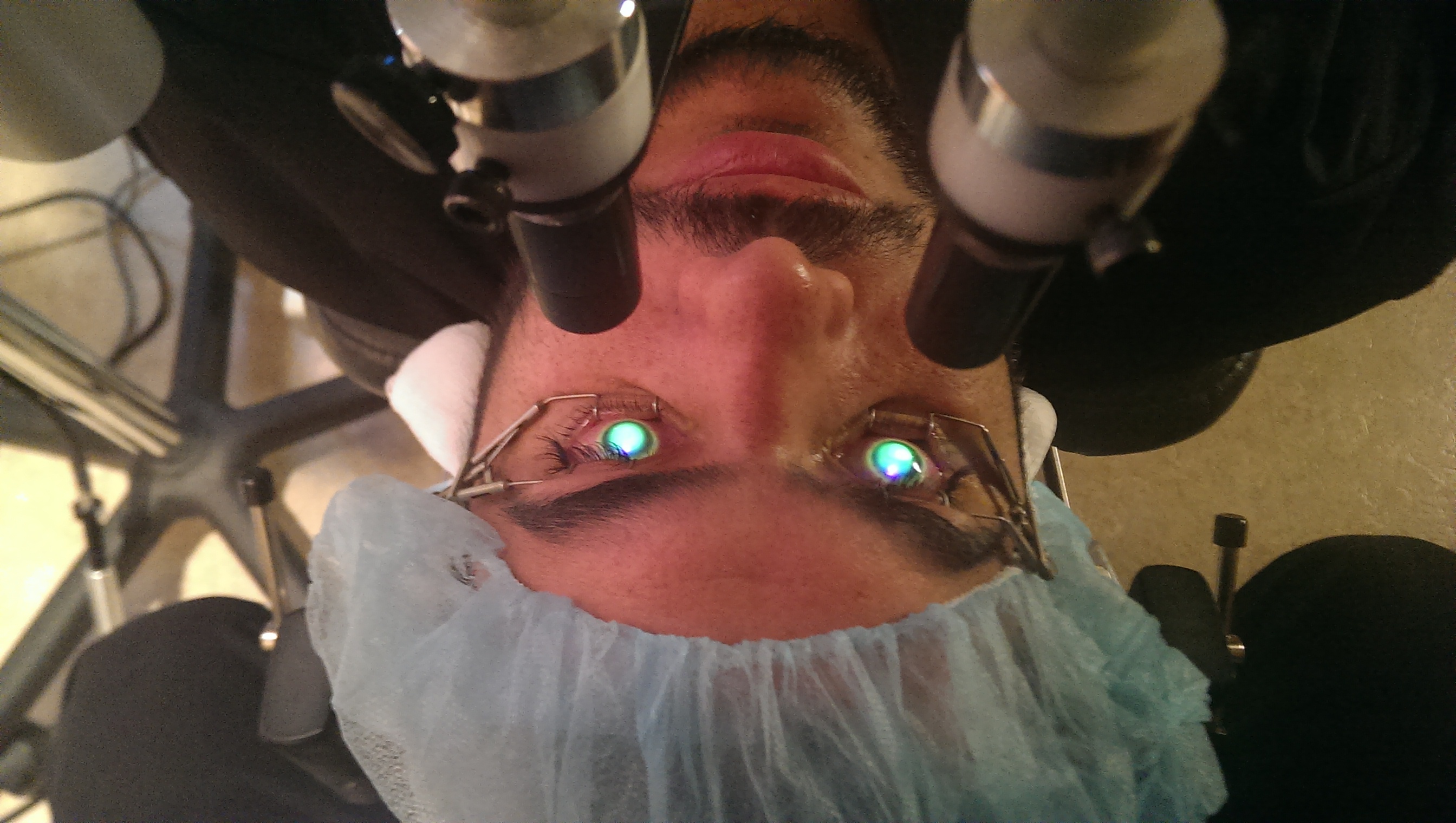
What Is Cxl Collagen Cross Linking A Guide Keratoconus Gb Living With Keratoconus
Keratoconus Wikipedia

Keratoconus Corneal Cross Linking Angel Eyes

Corneal Cross Linking Recovery Process Keratoconus Surgery Youtube

Everything To Know About Corneal Cross Linking For Keratoconus
Keratoconus Treatment Cleveland Corneal Cross Linking Cleveland

San Francisco Keratoconus Treatment Collagen Cross Linking

New Jersey Collagen Cross Linking Nj Cxl Staten Island Keratoconus

What To Expect After Cataract Surgery Assil Eye

Corneal Transplant Stop Your Keratoconus Esmaeil Arbabi

Corneal Collagen Cross Linking Ccl Cxl
What Is Corneal Cross Linking Pros And Cons In Nvision Eye Centers

Frequently Asked Questions About Corneal Crosslinking Fuerst Eye Center Board Certified Ophthalmologists

Collagen Cross Linking For Keratoconus In Raleigh

Corneal Cross Linking Cxl Precision Family Eye Care
When Corneal Cross Linking Goes Bad

Keratoconus Expert What To Expect From Fda Approved Cross Linking Avedro

Postoperative Management Of Corneal Crosslinking Patients

Day 1 Recovery Corneal Cross Linking Review Keratoconus Surgery Youtube

What Is Corneal Cross Linking Pros And Cons In Nvision Eye Centers

Corneal Crosslinking Protocols Made Easy Tips For Ophthalmology Residents Covalentcareers

Advances In Epi On Techniques May Establish New Gold Standard In Corneal Cross Linking

Figure 1 From Transepithelial Riboflavin Ultraviolet A Corneal Cross Linking In Keratoconus Morphologic Studies On Human Corneas Semantic Scholar

Cross Linking In Arlington Va Cxt Eye Doctor Annandale
World Keratoconus Day 18 Mark Ennovy

Full Text Corneal Stromal Demarcation Line After Collagen Cross Linking In Corne Opth
Corneal Cross Linking

Summer Vacation An Ideal Time To Undergo Corneal Cross Linking Living With Keratoconus

30 Corneal Crosslinking For Keratoconus Ideas Corneal Transplant Corneal Optometry

Corneal Haze After Collagen Cross Linking Diminishes Over Time

Corneal Cross Linking Cxl Treatment In Chicago Kraff Eye Institute

Corneal Biopsy In Albany Ny Cornea Consultants Of Albany

Frequently Asked Questions About Corneal Crosslinking Fuerst Eye Center Board Certified Ophthalmologists
Epi On Cross Linking May Speed Visual Recovery Optometry Times

Corneal Cross Linking Normalizing The Cornea In Cases Of Keratoconus Corneal Ectasia And Irregular Astigmatism

Corneal Cross Linking With Riboflavin Is The Latest And Most Advanced Treatment For Keratoconus Smart Eye Care Ophthalmologists

New Tools To Tame Keratoconus

Corneal Collagen Crosslinking Milford Ct Orange Ct Branford Ct Shelton Ct Westport Ct

Reports Of Keratitis After Collagen Cross Linking In Literature Download Table

Eyeworld Tracking And Treating Pediatric Keratoconus With Crosslinking
Cross Linking Asking The Tough Questions

Collagen Cross Linking The Eye Practice

Cornea Chicago Cross Linking Chicago Chicago Cornea

Corneal Cross Linking Alex Shortt London Eye Surgeon

Collagen Cross Linking With Ptk Epithelium Off Recovery Video Youtube

Corneal Crosslinking Dr Jay Schwartz

30 Corneal Crosslinking For Keratoconus Ideas Corneal Transplant Corneal Optometry


