Corneal Cross Linking Procedure

Corneal Cross Linking
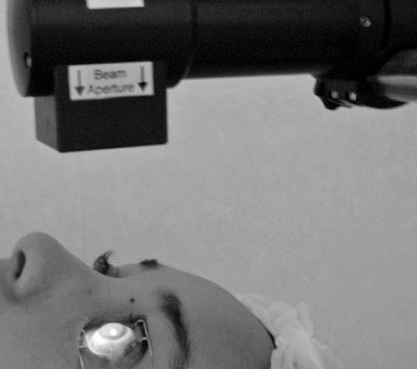
Corneal Cross Linking Wikipedia
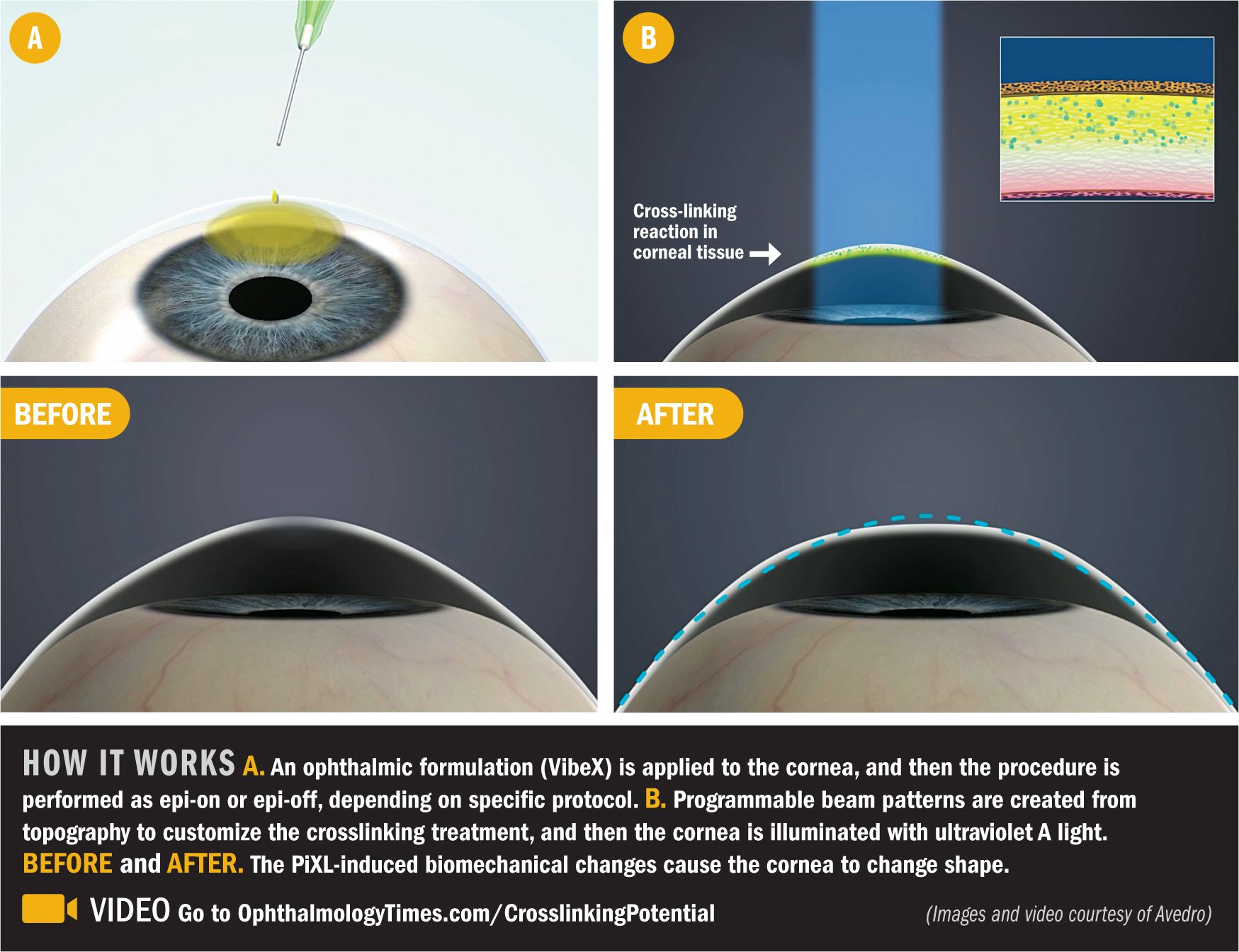
Crosslinking Showing Potential For Refractive Correction Ophthalmology Times
Crosslinking Is Using An Epi On Technique Effective

Cornea Charleston Cross Linking Charleston Carolina Cataract

Current Concepts In Crosslinking Thin Corneas Deshmukh R Hafezi F Kymionis Gd Kling S Shah R Padmanabhan P Sachdev Ms Indian J Ophthalmol
Introduction Since Dr Theo Seiler and colleagues introduced corneal crosslinking (CXL) in 03 1, the procedure has gained significant momentum in the treatment of corneal diseases, particularly corneal ectasiaUsing a combination of ultraviolet light (UVA) and riboflavin eye drops, corneal crosslinking has taken a relatively simple combination and created an intriguing treatment paradigm.

Corneal cross linking procedure. Corneal Cross Linking Overview Causes of Unstable Cornea The two most common causes of corneal instability are cornea ectasia and keratoconus, and its Procedure Corneal cross linking attempts to strengthen the bonds within the cornea to create stability Your doctor Recovery A few days. UPDATE Dr Cronin now performs cross linking at NO GAP rates for patients with health insurance Patients can also have intravenous sedation (also at NO GA. No history of corneal or systemic disease that would interfere with healing after the procedure such as chemical injury or delayed epithelial healing in the past Corneal collagen crosslinking (CXL) is considered medically necessary as a treatment for corneal ectasia resulting from refractive surgery.
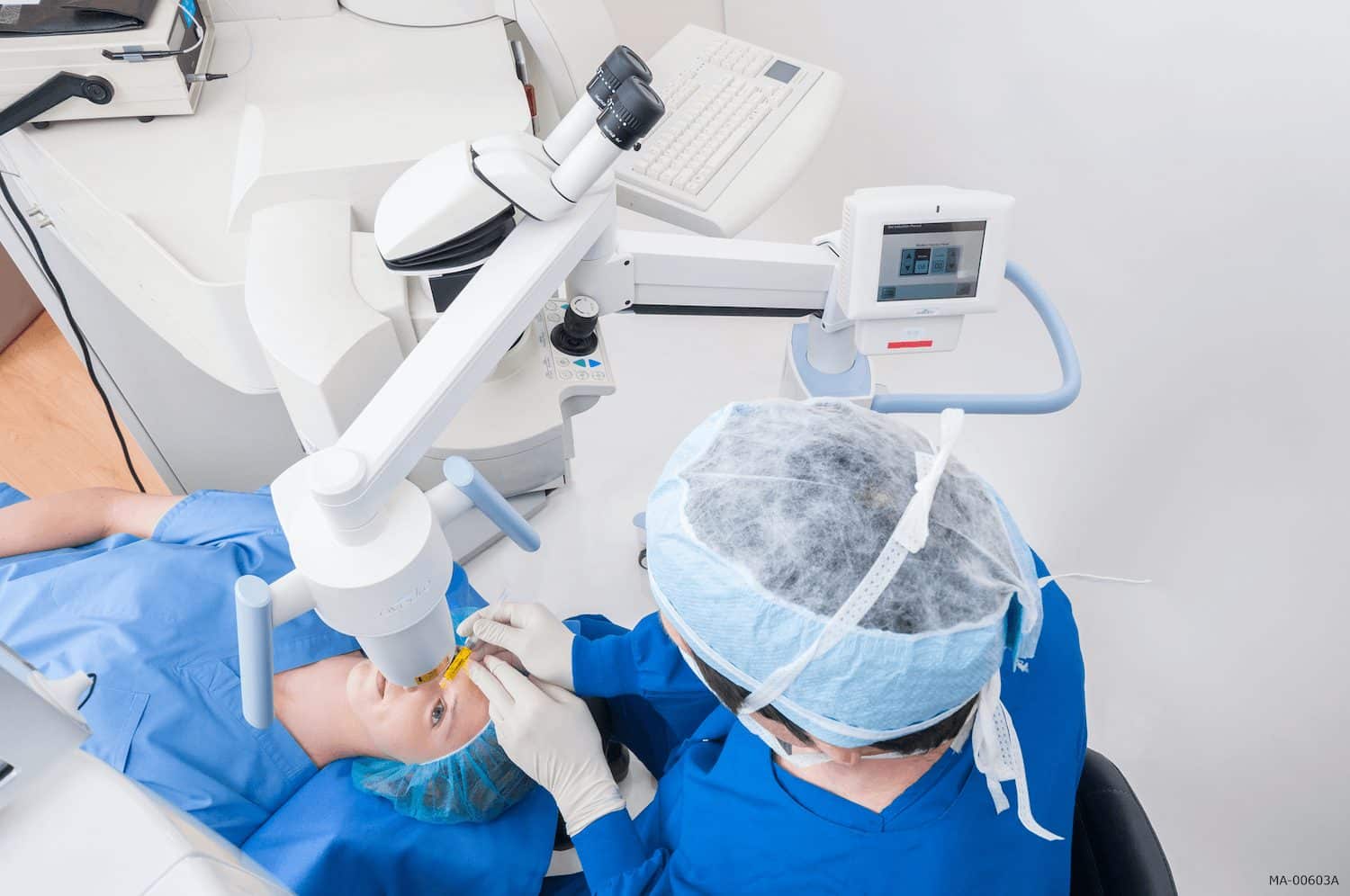
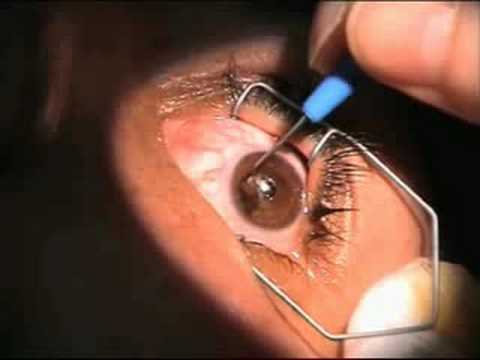
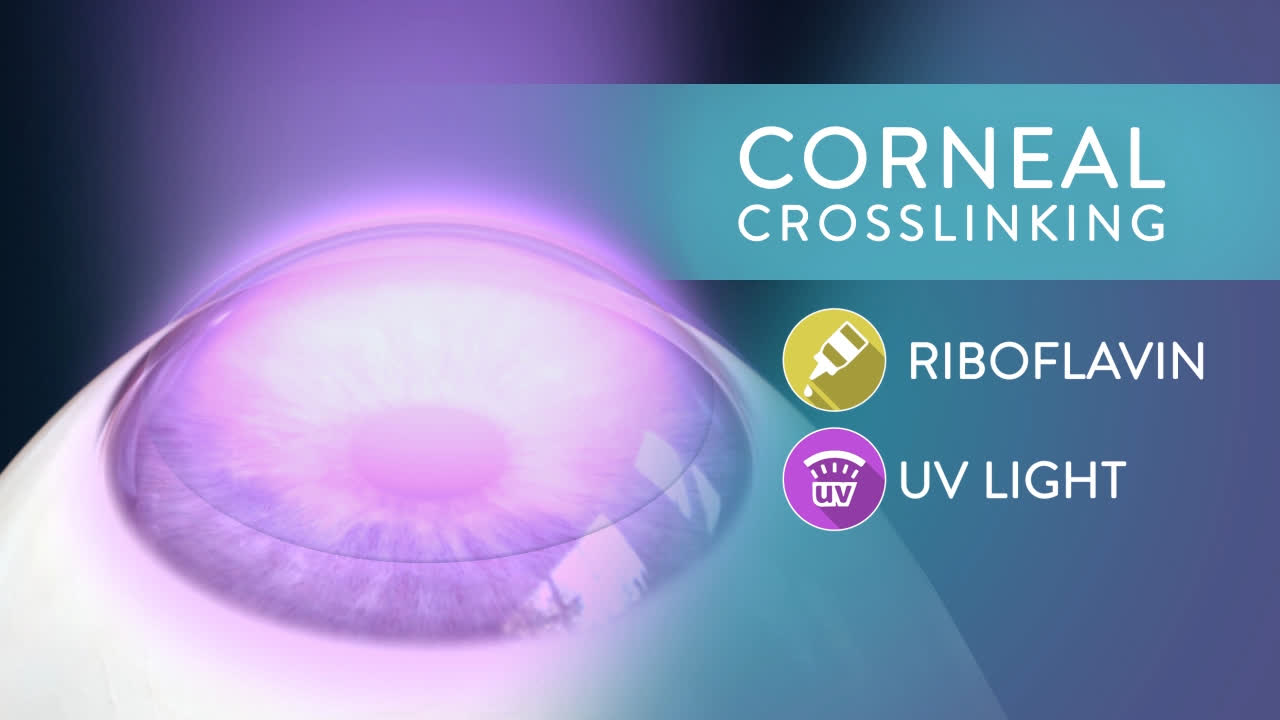
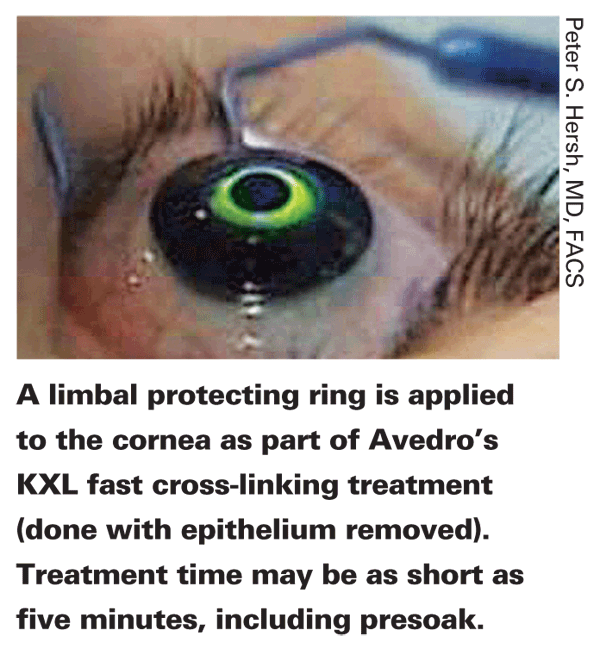
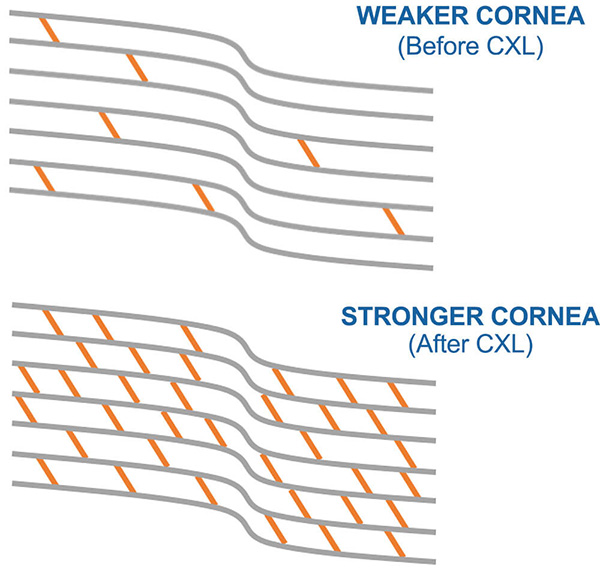
After numbing drops are applied, the epithelium (the thin layer on the surface of the cornea) is gently removed Photrexa Viscous eye drops will be applied to the cornea for at least 30 minutes Depending on the thickness of your cornea, Photrexa drops may also be required. The Corneal Cross Linking Procedure Corneal crosslinking using Avedro’s Photrexa products and KXL System is a medical procedure that combines the use of ultraviolet (UV) light and riboflavin (vitamin B2) eye drops The procedure works by creating new corneal collagen crosslinks, which results in a shortening and thickening of collagen. Corneal crosslinking is an extremely safe procedure which is approved in all 25 European Union nations and the US However, there are alternatives to the treatment, including hybrid contact lenses Most often, the recommended alternative for advanced keratoconus and similar issues is a corneal transplant , which is much more complex and.
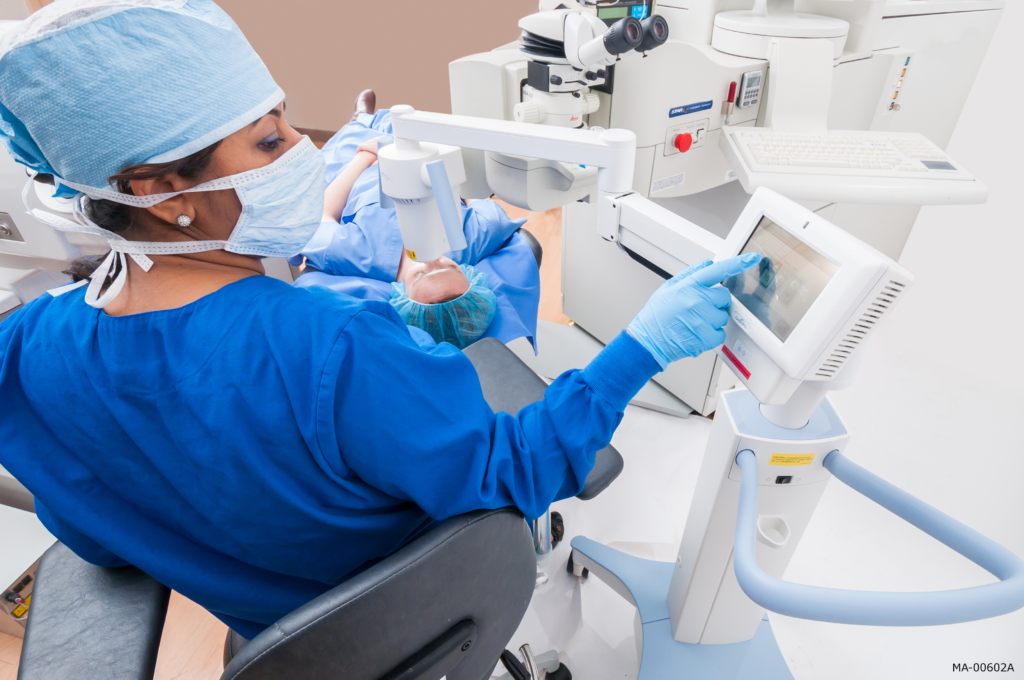
Corneal crosslinking (CXL) is an inoffice procedure designed to strengthen the cornea (the clear, outer lens on the front of the eye) when it has become weakened by laser vision correction surgery or an eye condition called keratoconus The procedure uses ultraviolet (UV) light and special eye drops containing vitamin B2 to strengthen the cornea. Corneal CrossLinking (CXL) for treating Keratoconus Corneal crosslinking is a minimally invasive, inoffice procedure that is also referred to as corneal collagen crosslinking It’s designed to strengthen the cornea if it has been weakened, usually by keratoconus. Corneal crosslinking is a surgical procedure that strengthens the cornea in order to prevent progressive thinning and worsening of astigmatism, which can be caused by keratoconus, pellucid marginal degeneration, or other forms of corneal ectasia (or “warpage”).
Although corneal crosslinking is a relatively safe procedure, some side effects and complications have been reported after the procedure These range from minor side effects such as haze and sterile infiltrates to more serious complications such as corneal infection, stromal melting leading to perforation, or the development of deep stromal scars. What is Collagen CrossLinking?. How Much Does Corneal Cross Linking Cost?.
Corneal CrossLinking Corneal crosslinking to treat Keratoconus and Corneal Ectasia Some diseases change the middle layer of the cornea, Corneal crosslinking (CXL) can help make the middle layer stronger CXL can be done as a scheduled minor procedure with Other treatment options There are. Corneal crosslinking is an office procedure to stop the progression of keratoconus or corneal ectasia after laser vision correction (eg, LASIK) in eyes without significant corneal thinning or scarring. Corneal crosslinking is the gold standard for treating keratoconus At Atlanta Vision Cataract & Laser Center, we protect your vision by specializing in the most advanced crosslinking options Read on to learn about the procedure and how it stops keratoconus in its tracks Corneal crosslinking halts progressive cornea damage.
This procedure is most successful if it can be performed before the cornea has become too irregularly shaped and significant vision loss has occurred When performed early, a corneal crosslinking procedure can stabilize and even improve the shape of the cornea, improving patients’ visual acuity and contact lens tolerance. What is Collagen CrossLinking?. Corneal crosslinking is an inoffice procedure that works to strengthen and stabilize the cornea in eyes that have weakness from keratoconus or ectasia At Baylor Medicine, our cornea specialists are experienced in the treatment of keratoconus and corneal ectasias Corneal crosslinking uses a.
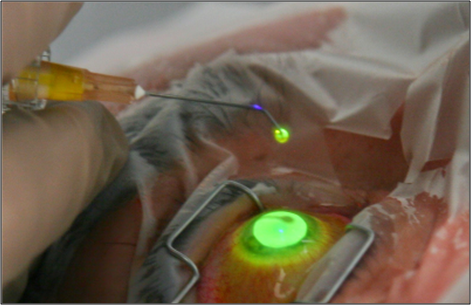
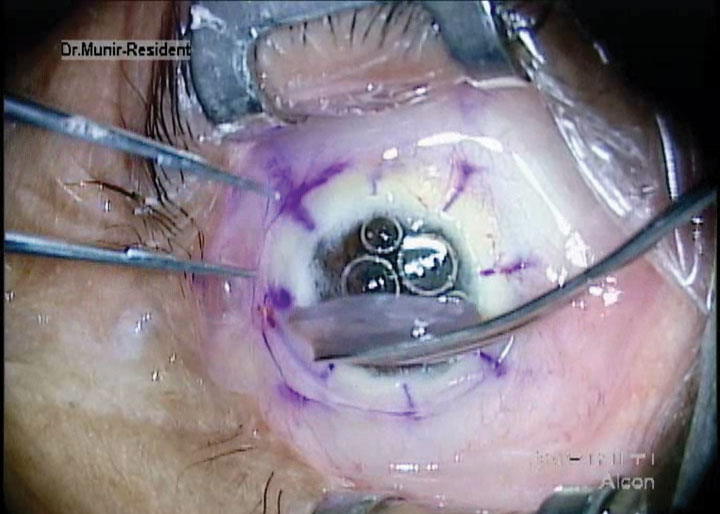
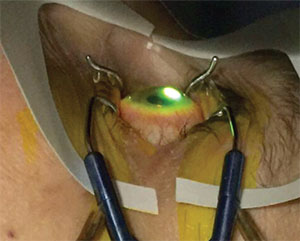
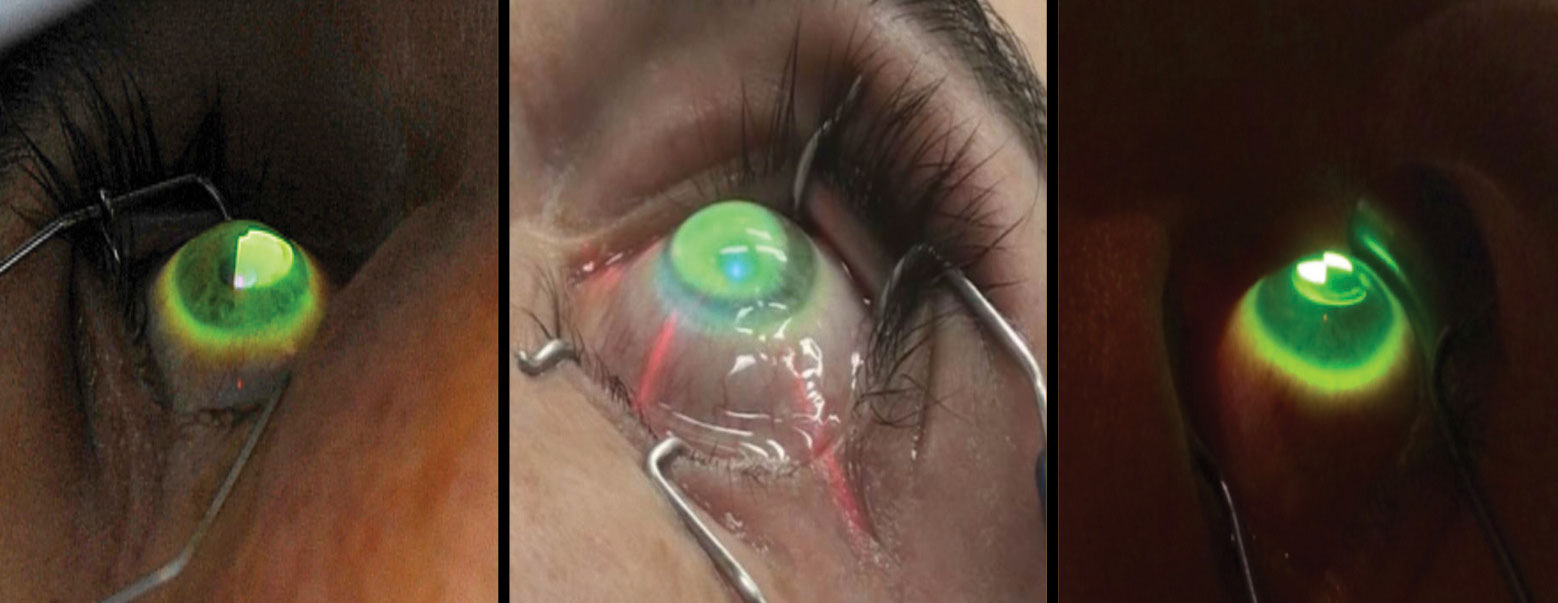
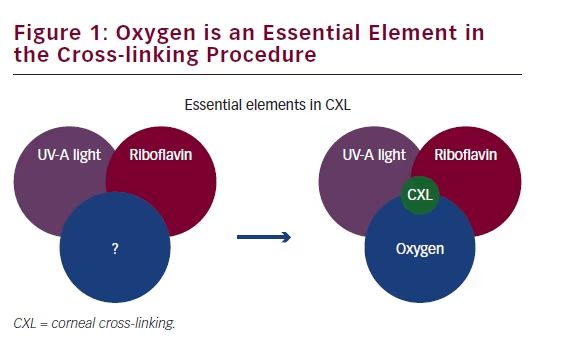
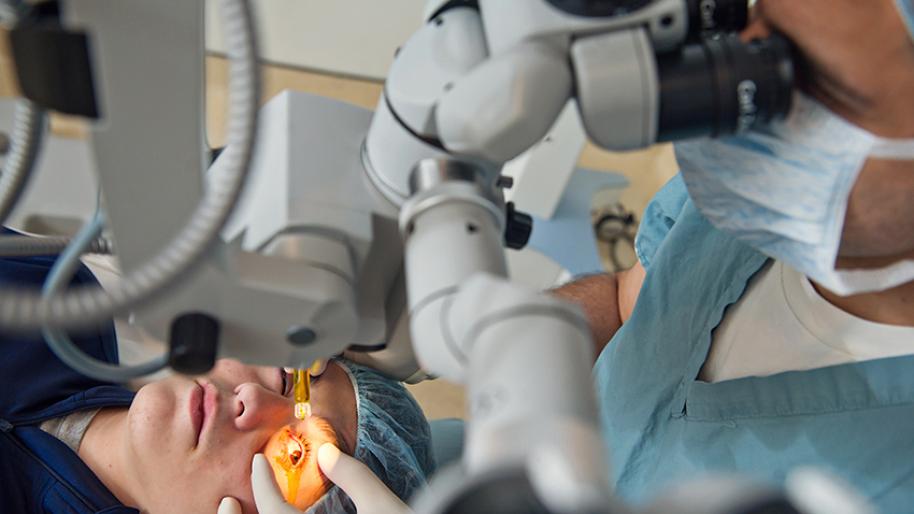
In the CrossLinking procedure, riboflavin (vitamin B2) is dripped onto the cornea and then exposed to ultra violet light The light causes the riboflavin to fluoresce, which leads to the formation of bonds between collagen molecules or collagen crosslinking In a matter of minutes, the procedure is complete. Corneal crosslinking involves applying riboflavin to your eye, which strengthens the collagen fibers in your cornea and prevents your vision from deteriorating further A standard corneal crosslinking procedure has several steps In a preliminary exam, your doctor will measure your corneal thickness. A crosslinking surgery involves Anesthesia Your doctor will use drops to numb your eye, and you're given other medications to help you relax Removal Your eye doctor scrapes away the epithelium of the eye Riboflavin Your doctor places drops of this substance on your eye Light A UV light.
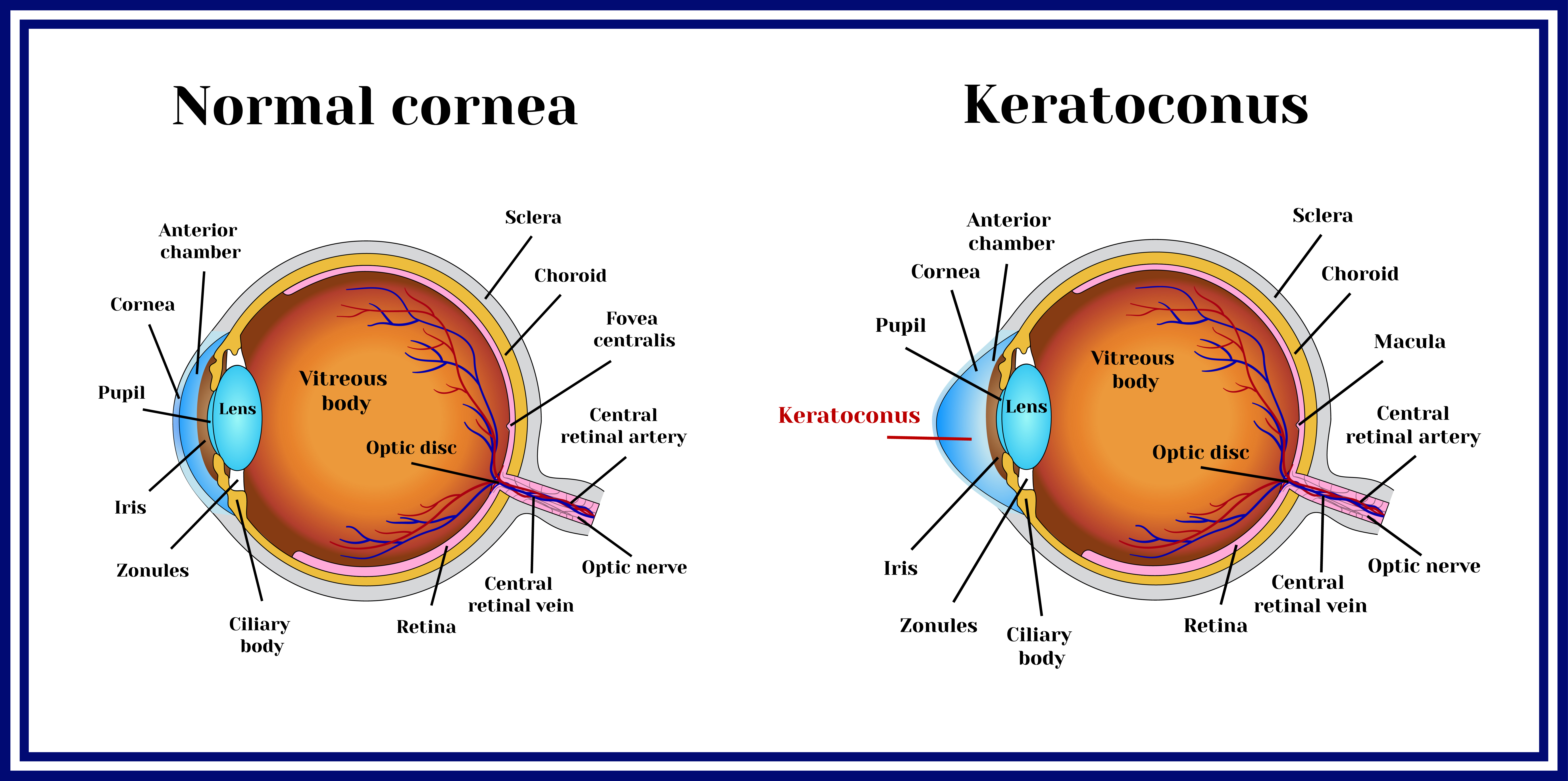
Crosslinking is a minimally invasive procedure designed to halt the progression of keratoconus or corneal ectasia (weakened corneas due to refractive surgery) In this treatment procedure, the cornea is strengthened using prescription eye drops along with UV light therapy. Corneal crosslinking Corneal crosslinking (CXL) is a treatment which prevents keratoconus getting worse Keratoconus is a noninflammatory eye condition in which the normally round domeshaped clear window of the eye (cornea) progressively thins, causing a conelike bulge to develop CXL treatment is successful in more than 90% of cases. The corneal crosslinking procedure provides strength and shape to the cornea by reinforcing the collagen bonds, this way it is less likely that your cornea will continue to change shape and therefore reduces your chances of needing a cornea transplant.
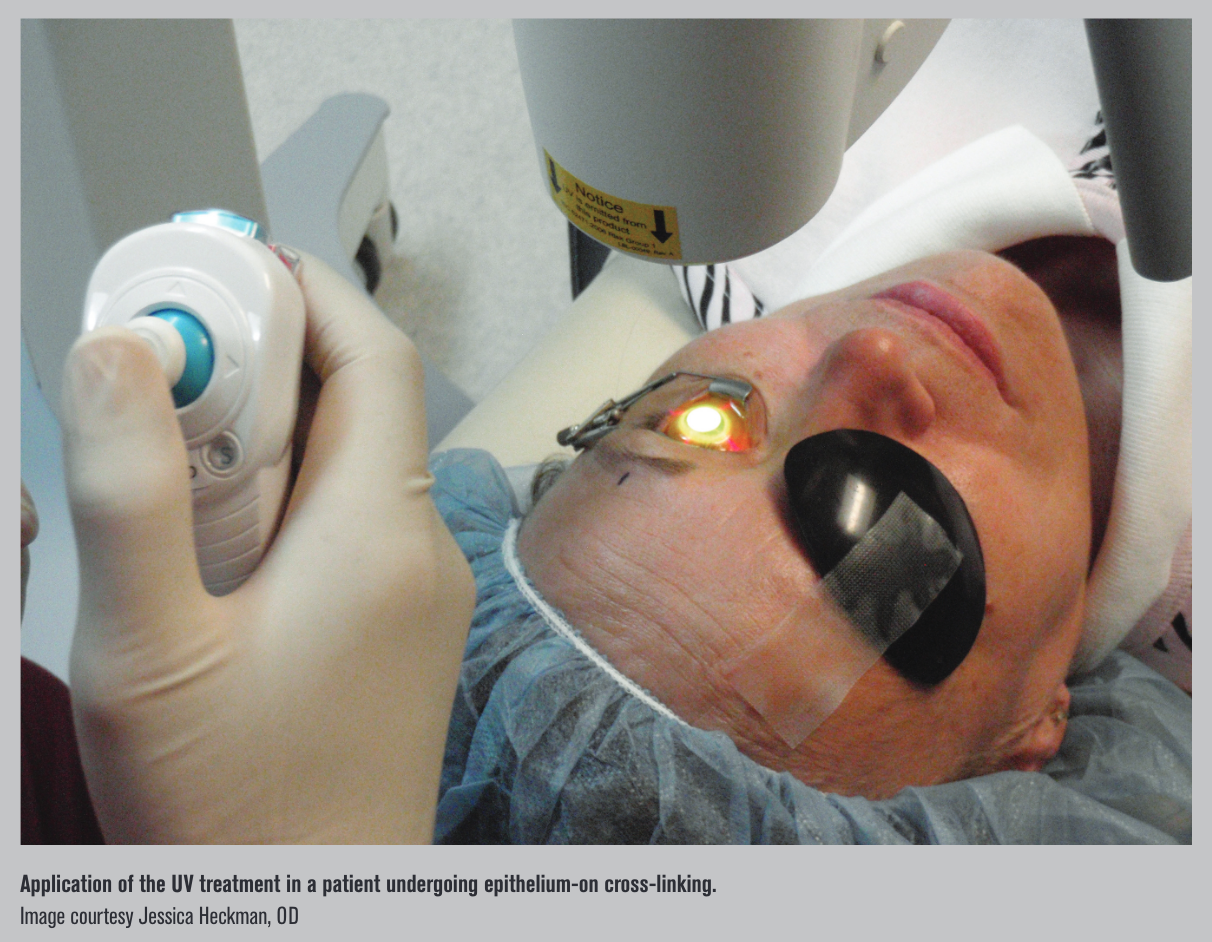
Your doctor can do the corneal crosslinking procedure in their office First, you’ll get drops that numb your eyes and a medicine to calm you if needed Then, your doctor will put in specially. Corneal collagen crosslinking, primarily used as a way to address keratoconus and corneal ectasia, is currently in the midst of that process The biggest evolutionary shift taking place today is the move from procedures that require removal of the epithelium to ones that don’t. Corneal crosslinking is an office procedure to stop the progression of keratoconus or corneal ectasia after laser vision correction (eg, LASIK) in eyes without significant corneal thinning or scarring The current FDA approved corneal crosslinking technique involves removing the surface layer of the cornea (the epithelium), applying.
Although corneal crosslinking has been performed for years abroad, it is only recently that the procedure has been FDA approved for the US As such, cost information is somewhat limited However, you can expect the cost of corneal crosslinking to range between $2,500 and $4,000 per eye. Avedro’s corneal crosslinking procedure is the first and only therapeutic treatment that stiffens the cornea to slow the progression of the keratoconus What is Keratoconus?. Corneal cross linking is a minimally invasive procedure that uses ultraviolet light and eye drops in order to strengthen the collagen fibers in the cornea The procedure is used for patients with keratoconus, a condition in which the cornea grows thin and weak.
Corneal collagen crosslinking is a technique that was first used in 1998 to treat patients with a disease called keratoconus In keratoconus, the cornea (the front clear window of the eye) can become weak, thin, and irregularly shaped. The two basic types of corneal crosslinking are Epitheliumoff crosslinking In this procedure, the thin outer layer (epithelium) of the cornea is removed to allow the Epitheliumon crosslinking In this procedure (also called transepithelial crosslinking), the protective corneal. CXL is a form of crosslinking (also called “epi off” crosslinking) where the top of your cornea is scraped off with a scalpellike or dull surgical instrument Yes, it’s INVASIVE with a VERY PAINFUL RECOVERY.
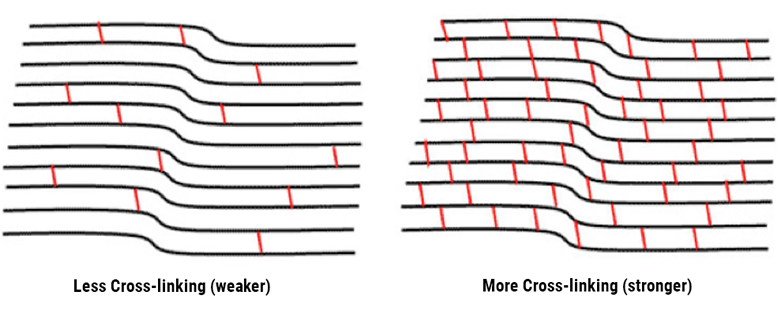
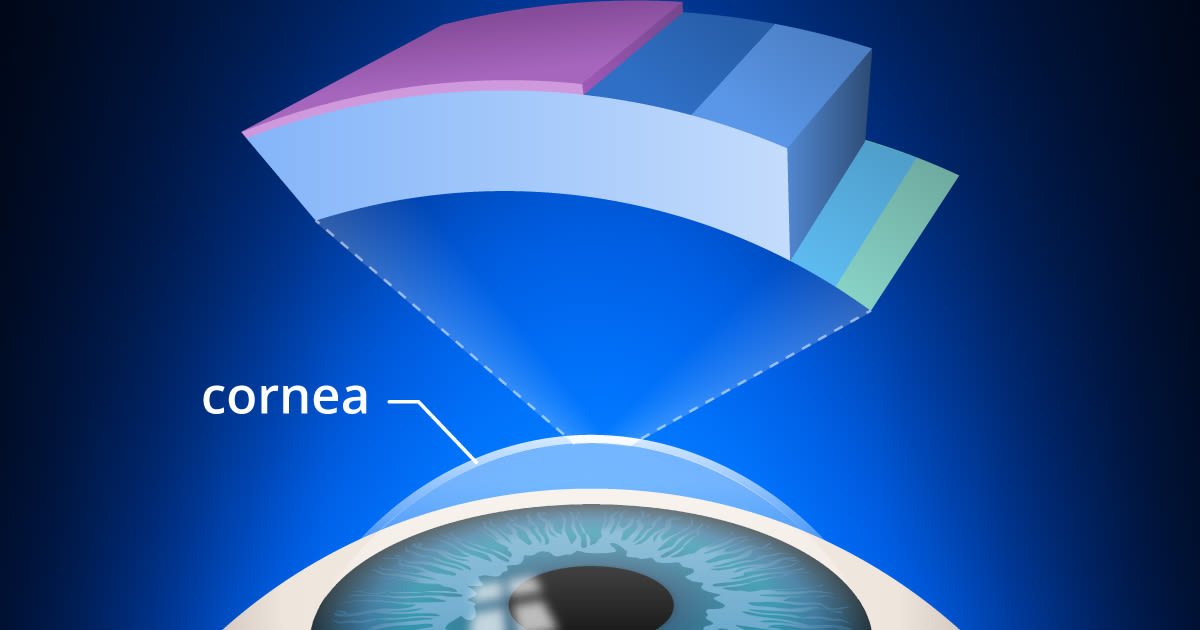
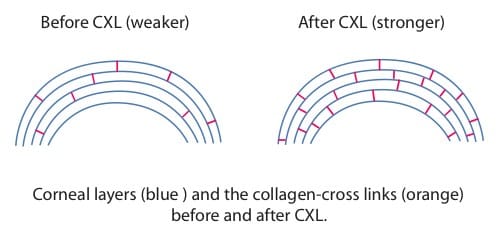
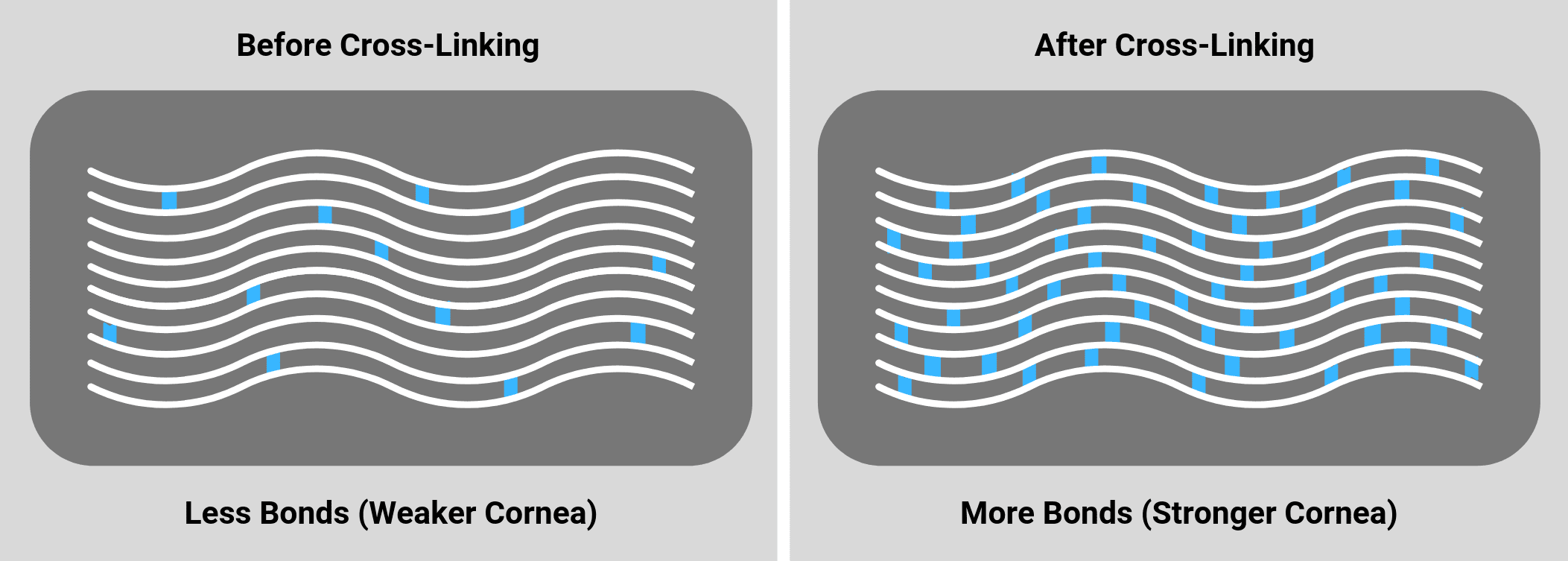
A healthy cornea focuses light so you can see clearly Our doctors use a procedure called corneal crosslinking, or CXL, to stop the cornea from getting thinner, weaker and more irregular in shape Although CXL cannot make your cornea normal again, it may keep your vision from getting worse Sometimes, your vision may even improve. Corneal CrossLinking using Avedro’s Photrexa products and KXL System is a medical procedure that combines the use of ultraviolet (UV) light and riboflavin (vitamin B2) eye drops. Dr Andrew Holzman, an ophthalmologist serving the greater Washington DC area, provides corneal crosslinking as an effective procedure to help restore the shape of eyes distorted from keratoconus The purpose of corneal crosslinking is to fortify the cornea by increasing the number of attachments that bind the collagen fibers to each other.
Corneal crosslinking is a procedure which increases the amount of crosslinking or binding fibers within the cornea's collagen, strengthening the cornea and helping it to better retain its shape Two types of corneal crosslinking exist traditional corneal crosslinking and transepithelial CXL technique In a traditional procedure, the epithelial. Crosslinking is a minimally invasive outpatient procedure that combines the use of UVA light and riboflavin eye drops to add stiffness to corneas which have been weakened by disease or refractive surgery Crosslinking, which has been performed in Europe since 03, is considered the standard of care around the. Corneal crosslinking is a minimally invasive procedure that can be performed in the office using ultraviolet light and riboflavin eye drops to stop the progression of keratoconus, a noninflammatory eye condition that can cause vision lossAt The Polyclinic, corneal crosslinking is now performed at The Polyclinic Broadway by corneal surgeon Thomas Gillette, MD.
By all accounts, corneal crosslinking is generally a safe procedure that’s saved many patients from having to undergo corneal transplants as a result of their keratoconus or corneal ectasia Like any surgical intervention, however, it’s not without risks, so it pays to know what can go wrong so you can avoid problems and prepare for those. Holcomb C3R ® Crosslinking offlabel procedure is the name of the procedure that I invented in 03 using our proprietary Vitamin B2based Crosslinking formulation applied to your cornea which is activated with a UV light device approved by FDA for use to treat other medical conditions Physicians are expressly permitted by law (the FDA. Corneal collagen crosslinking using riboflavin and UV received FDA approval on April 18, 16 In 15, a cochrane systemic review analysing CXL for treating keratoconus revealed that the evidence for the use of CXL in the management of keratoconus is limited due the lack of properly conducted Randomized Controlled Trials.
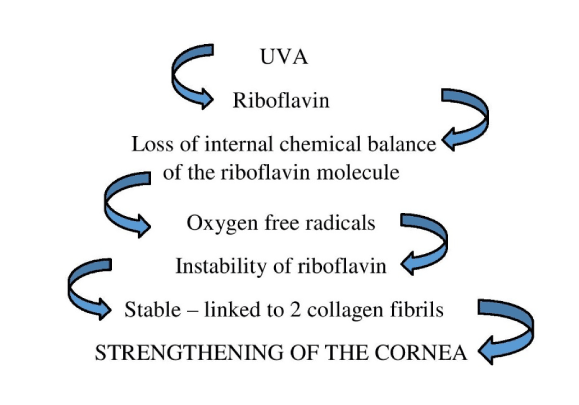
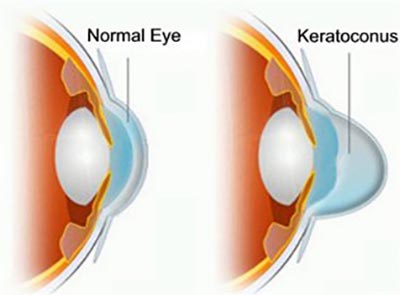
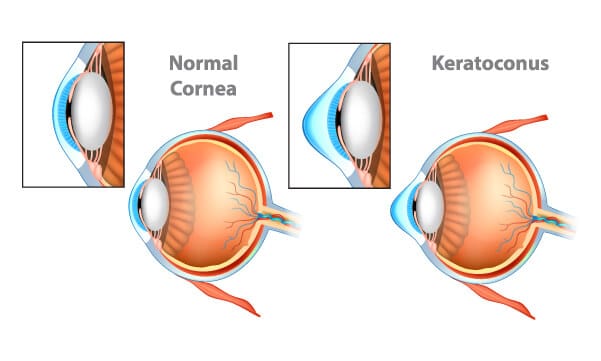
Corneal CrossLinking using Avedro’s Photrexa products and KXL System is a medical procedure that combines the use of ultraviolet (UV) light and riboflavin (vitamin B2) eye drops The procedure works by creating new corneal collagen crosslinks, which results in a shortening and thickening of collagen fibrils which leads to stiffening the cornea To determine if corneal crosslinking may be right for you or a member of your family, please contact Jesica McCowen Refractive Coordinator (909. What is Corneal CrossLinking?. Keratoconus is a progressive eye disease in which the normally round cornea thins and begins to bulge into a conelike shape, causing distorted vision.
Corneal crosslinking is a surgical procedure that strengthens the cornea in order to prevent progressive thinning and worsening of astigmatism, which can be caused by keratoconus, pellucid marginal degeneration, or other forms of corneal ectasia (or “warpage”). Corneal crosslinking (CXL) is a treatment which prevents keratoconus getting worse Keratoconus is a non inflammatory eye condition in which the normally round domeshaped clear window of the eye (cornea) progressively thins, causing a conelike bulge to develop CXL treatment is successful in more than 90% of cases. Corneal collagen crosslinking, primarily used as a way to address keratoconus and corneal ectasia, is currently in the midst of that process The biggest evolutionary shift taking place today is the move from procedures that require removal of the epithelium to ones that don’t.
What can I expect during the Corneal CrossLinking Procedure?. Yes, the corneal crosslinking procedure does require the removal of the epithelium Your doctor will first apply a topical anesthesia (eye drops) to numb the eye prior to removal This removal of the epithelium helps to prepare the eye so that the drug can penetrate the tissue of the cornea allowing an effective crosslinking procedure. The cross linking procedure adds crosslinks or “cross beams” to the cornea, making it more stable, holding its shape and focusing power better These new crosslinks help strengthen the cornea which stops the thinning process and further loss of vision.
Yes, the corneal crosslinking procedure does require the removal of the epithelium Your doctor will first apply a topical anesthesia (eye drops) to numb the eye prior to removal This removal of the epithelium helps to prepare the eye so that the drug can penetrate the tissue of the cornea allowing an effective crosslinking procedure. Corneal crosslinking is the gold standard for treating keratoconus At Atlanta Vision Cataract & Laser Center, we protect your vision by specializing in the most advanced crosslinking options Read on to learn about the procedure and how it stops keratoconus in its tracks Corneal crosslinking halts progressive cornea damage. Corneal Collagen CrossLinking (CXL) is a procedure designed to strengthen the cornea Corneal Crosslinking with Riboflavin is an established treatment for keratoconus, pellucid marginal degeneration, corneal ectasia, and other corneal conditions.
Corneal Collagen CrossLinking (CXL) is a procedure designed to strengthen the cornea Corneal Crosslinking with Riboflavin is an established treatment for keratoconus, pellucid marginal degeneration, corneal ectasia, and other corneal conditions. Corneal crosslinking is a treatment for an eye problem called keratoconus Keratoconus is a degenerative disorder in which structural changes to the cornea cause it to thin and change to a more conical shape than its normal gradual curve. Corneal collagen crosslinking is a noninvasive procedure combining the use of ultraviolet light with the KXL® System and Photrexa® riboflavin drug formulations Mechanism of Action Riboflavin 5’phosphate sodium (Vitamin B2) is the precursor of two coenzymes, flavin adenine dinucleotide and flavin mononucleotide, which catalyze oxidation.
Using a combination of ultraviolet light (UVA) and riboflavin eye drops, corneal crosslinking has taken a relatively simple combination and created an intriguing treatment paradigm for not only corneal ectatic diseases such as keratoconus, but possibly other indications such as infectious keratitis 2 Seiler and colleagues made popular the “Dresden Protocol” specifying the parameters of CXL, which has now blossomed in to a multitude of variations and modifications aimed at reducing. Corneal Cross Linking is a procedure performed to treat ocular conditions where the cornea becomes weakened or starts to degenerate One of the most common issues that Corneal Cross Linking is used to treat is keratoconus, a degenerative disorder that causes structural changes to the shape of the cornea.

Corneal Collagen Cross Linking Ccl Cxl
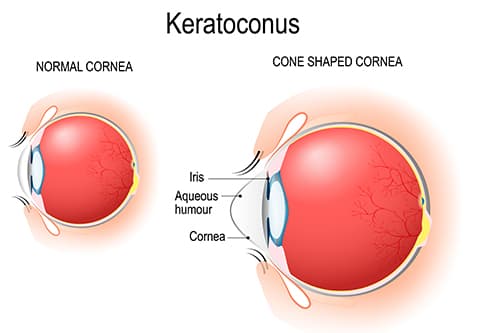
Cornea Calabasas Cross Linking West Hills Davidorf Eye
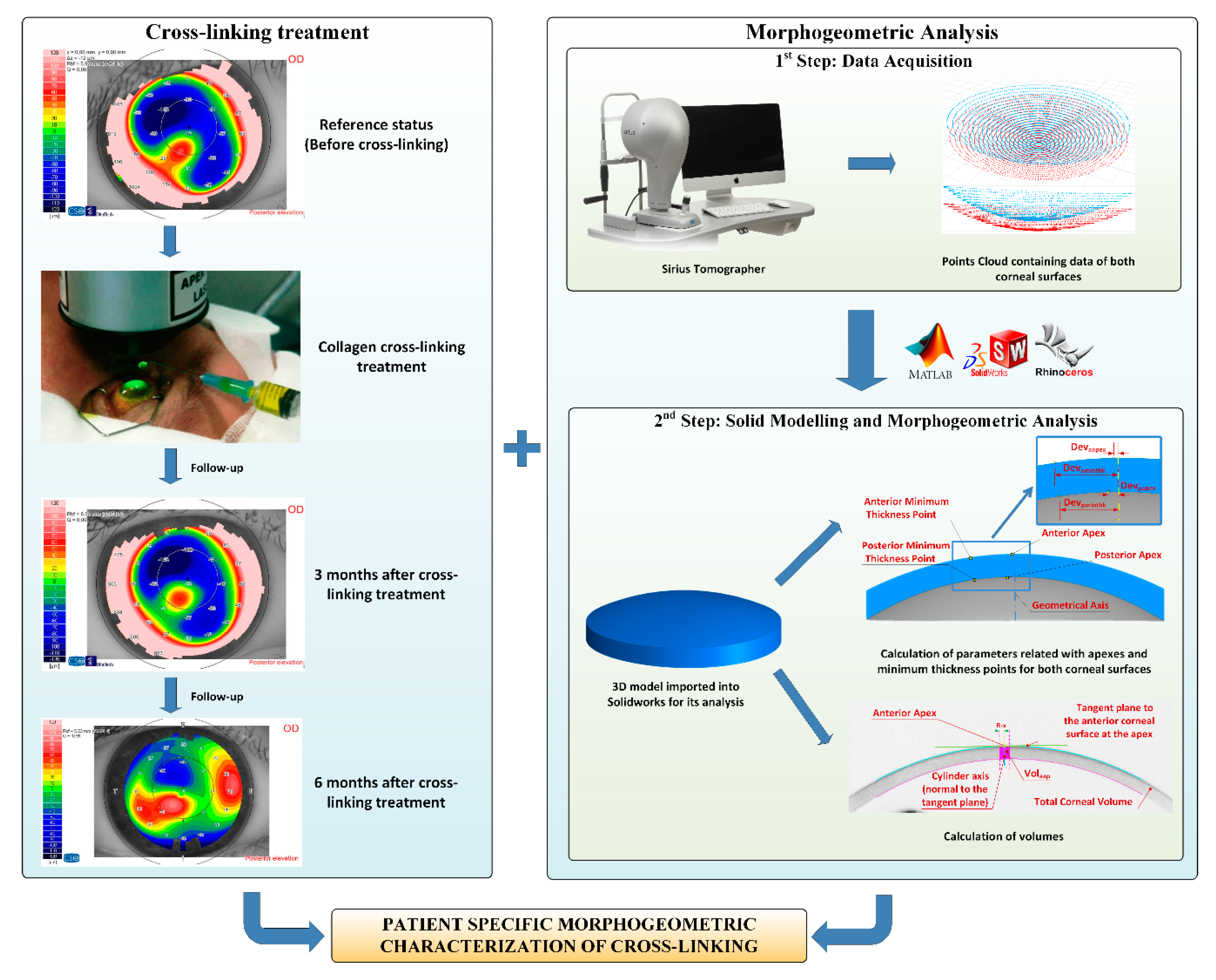
Diagnostics Free Full Text Changes In The 3d Corneal Structure And Morphogeometric Properties In Keratoconus After Corneal Collagen Crosslinking
Corneal Crosslinking Eyes Matter

Cross Linking Vancouver Martin Mccarthy Md Martin Mccarthy M D

Customized Corneal Cross Linking One Year Results American Journal Of Ophthalmology

Corneal Collagen Cross Linking Treatmen Recovery Iranian Surgery

Pdf Long Term Results Of Cornea Collagen Cross Linking With Riboflavin For Keratoconus
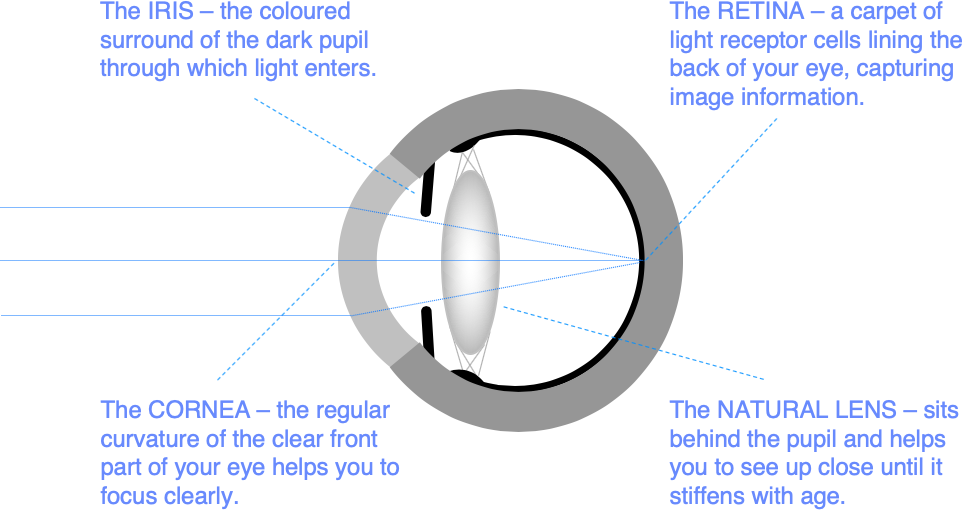
Transepithelial Prk And Corneal Crosslinking Transprk Cxl

A Randomised Controlled Observer Masked Trial Of Corneal Cross Linking For Progressive Keratoconus In Children The Keralink Protocol Bmj Open
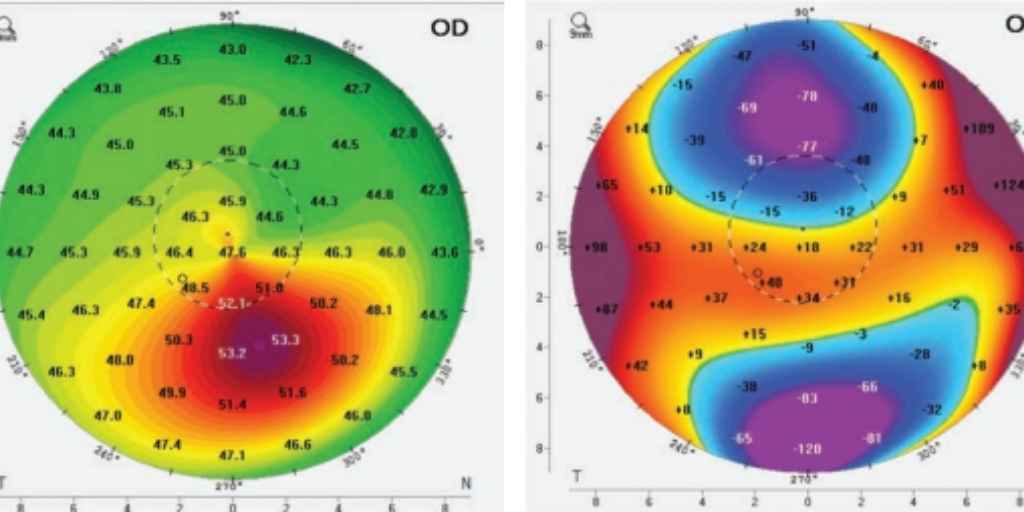
Cross Linking For Keratoconus

Corneal Cross Linking

Pdf Post Collagen Cross Linking Infection
Corneal Crosslinking American Academy Of Ophthalmology

Ods Recognize Potential Of Corneal Collagen Cross Linking

Ophthalmic Professional A Look At The Basics Of Corneal Cross Linking

Corneal Collagen Cross Linking For Keratoconus Youtube
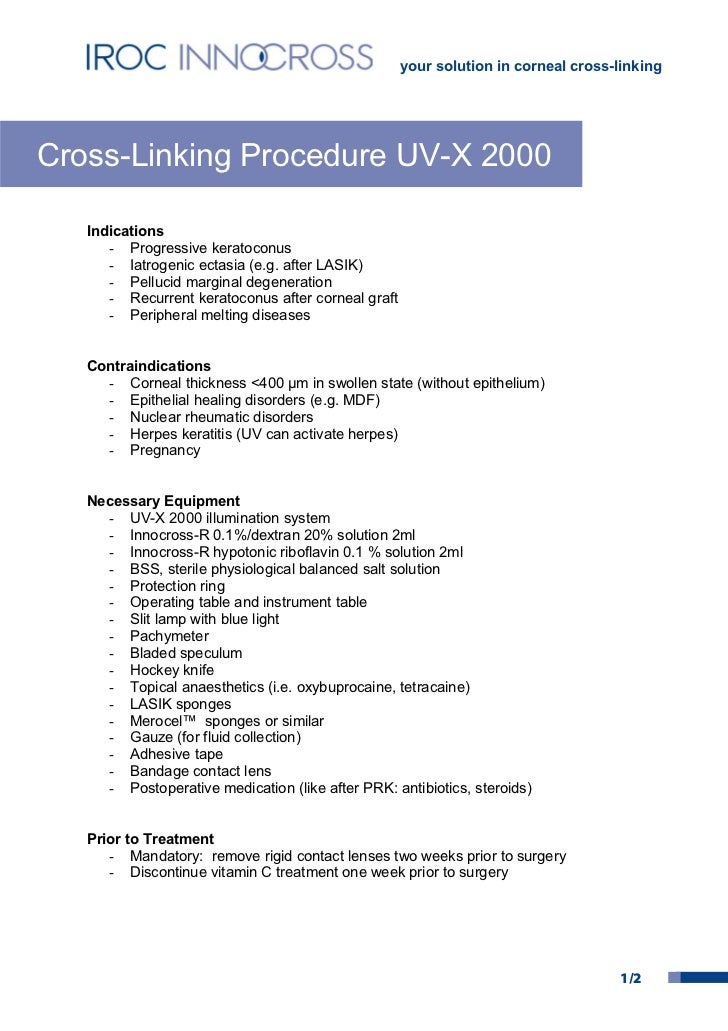
105 Uv X00 Cross Linking Procedure 22 2 12

Current Concepts In Crosslinking Thin Corneas Deshmukh R Hafezi F Kymionis Gd Kling S Shah R Padmanabhan P Sachdev Ms Indian J Ophthalmol
Corneal Collagen Cross Linking Treatment In Dc Md Keratoconus

Pdf Corneal Wound Healing After Ultraviolet A Riboflavin Collagen Cross Linking A Rabbit Study

A Protocol For Use Of Prokera After Corneal Collagen Cross Linking
.jpg?1402683623)
Crosslinking Keratoconus Dallas Ft Worth Keratoconus
Corneal Cross Linking Recovery Side Effects Cost
Corneal Collagen Cross Linking Procedures
Collagen Crosslinking For Keratoconus Refractive Surgery Course

What Physicians Need To Know About Corneal Cross Linking Avedro

Everything You Need To Know About New Treatments For Keratoconus Eurotimes
Collagen Cross Linking The Eye Practice
Corneal Cross Linking Treatment Utah Utah County Excel Eye Center

Corneal Collagen Cross Linking Available To Stabilize And Slow Progression Of Keratoconus

Corneal Collagen Cross Linking Cxl In San Diego California
Uva Cross Linking Youtube

Corneal Crosslinking Maryland Vision Institute
Epi On Cross Linking May Speed Visual Recovery Optometry Times

Everything You Need To Know About Corneal Collagen Cross Linking Cxl Covalentcareers

Everything You Need To Know About Cross Linking Eye Surgery Atlanta Vision Cataract And Laser Center Ophthalmologists
Non Cross Linking Options For Keratoconus
Corneal Cross Linking Keratoconus Treatment Options Arizona

Keratoconus Treatment Intac Surgery Corneal Cross Linking Explained By Dr Paul Dougherty Youtube

Keratoconus Treament Ventura County Dougherty Laser Vision

Cairs For Keratoconus Eurotimes

Corneal Cross Linking Cxl Chicago Keratoconus South Barrington

Corneal Cross Linking Washington D C Maryland Virginia Dr Andrew Holzman
Making The Most Of Corneal Cross Linking
Corneal Cross Linking Cxl Toledo Lasik
What Is Corneal Cross Linking Pros And Cons In Nvision Eye Centers

Collagen Crosslinking Using Riboflavin And Uva Exposure For Keratoconus Or C3r Treatment
Navigating The Crosslinking Possibilities

Corneal Cross Linking Keratoconus Treatment Optimax

San Francisco Keratoconus Treatment Collagen Cross Linking

An Overview Of Corneal Cross Linking And How Can It Treat Keratoconus

Eyeworld Tracking And Treating Pediatric Keratoconus With Crosslinking
Corneal Cross Linking Eye Institute At Medical Center
Corneal Cross Linking Delray Beach Keratoconus Boca Raton

Cornea Little Silver Cross Linking Red Bank Atlantic Laser

What Is Cxl Collagen Cross Linking A Guide Keratoconus Gb Living With Keratoconus
Corneal Collagen Cross Linking
How To Choose The Best Cross Linking Procedure In 16 Touchophthalmology
Collagen Cross Linking The Promise Keeps Growing

Keratoconus Treatment Brisbane Queensland Brisbane Ophthalmologist Dr Brendan Cronin
Corneal Collagen Cross Linking Keratoconus Treatment Aktis Eye Laser Center
Corneal Cross Linking Stillwater Cxl St Paul Associated Eye Care

Keratoconus Treatment May Prevent Need For Corneal Transplant

Corneal Cross Linking Cxl Precision Family Eye Care
Corneal Cross Linking Cxl Procedure Top Eye Doctor Midtown Nyc
Corneal Cross Linking Treatment Utah Utah County Excel Eye Center

Current Concepts In Crosslinking Thin Corneas Deshmukh R Hafezi F Kymionis Gd Kling S Shah R Padmanabhan P Sachdev Ms Indian J Ophthalmol

Corneal Cross Linking Cxl Surgical Treatment For Keratoconus
Corneal Cross Linking Collagen Cross Linking Kellogg Eye Center Michigan Medicine

Corneal Cross Linking What Is This Treatment About Imo
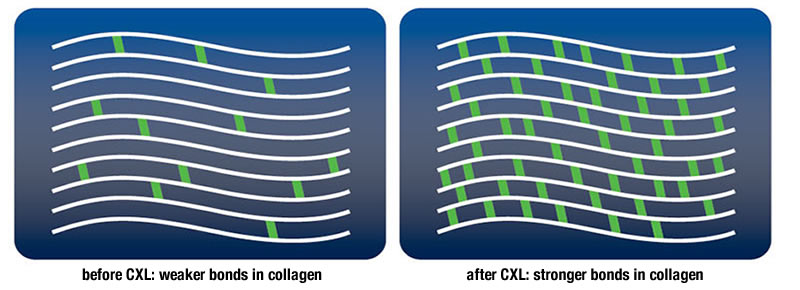
Corneal Crosslinking Keratoconus Australia Keratoconus Australia
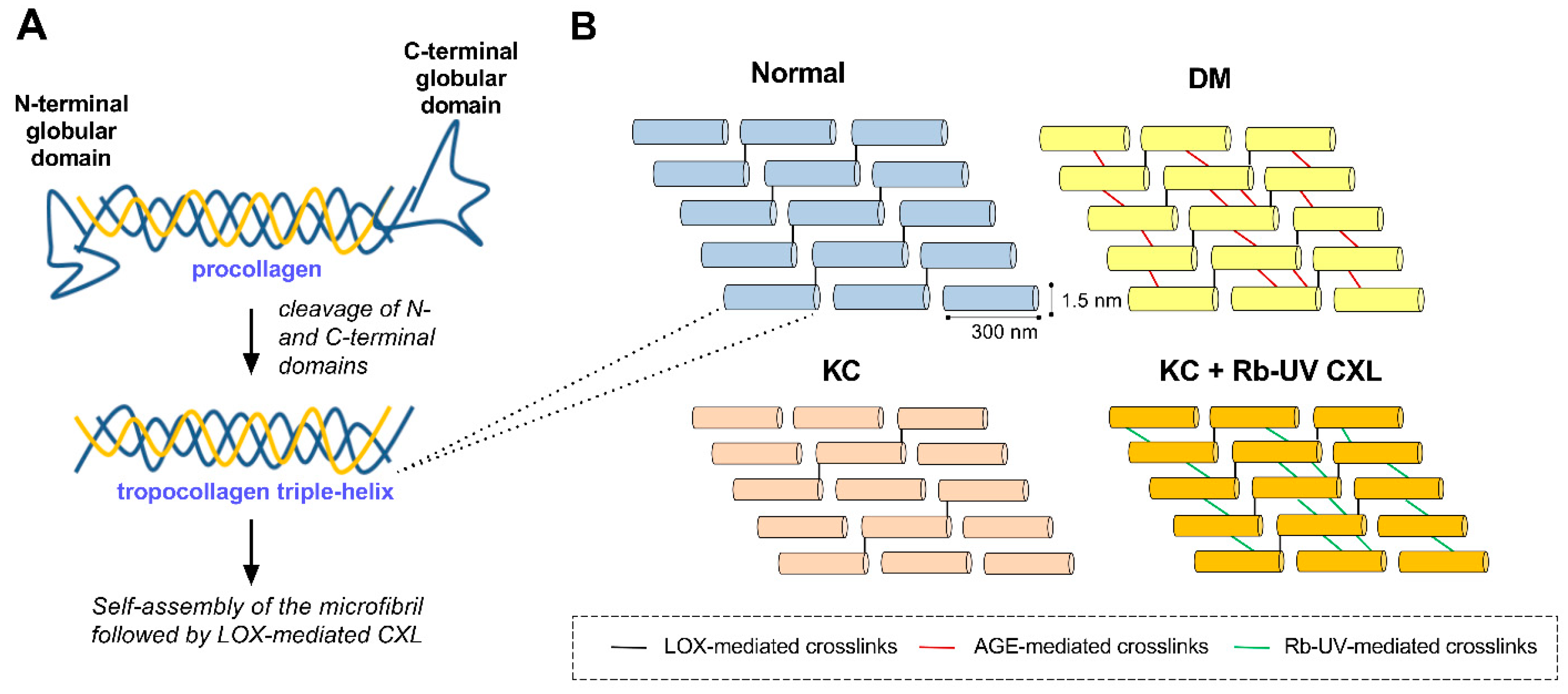
Cells Free Full Text Mechanisms Of Collagen Crosslinking In Diabetes And Keratoconus Html
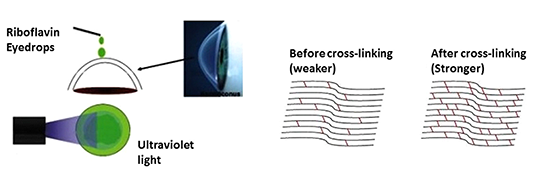
Corneal Cross Linking Casey Eye Institute Ohsu

Corneal Cross Linking Cxl Treatment For Keratoconus Explained

Corneal Cross Linking Keratoconus
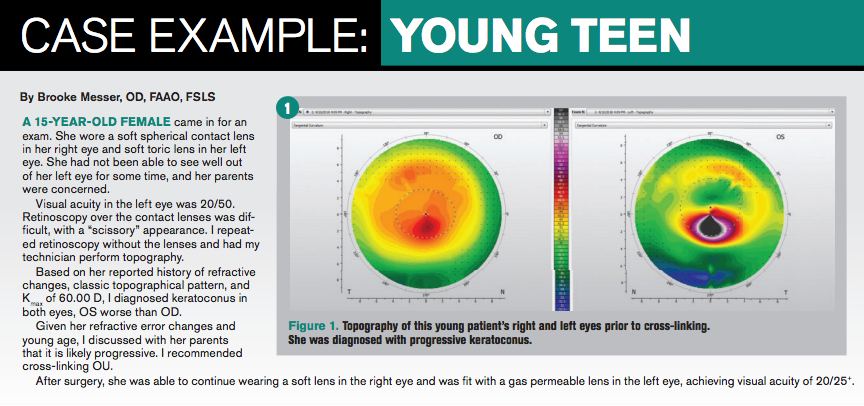
Best Practices For Managing Keratoconus Patients Optometry Times

Collagen Cross Linking C3r Cxl Keratoconus Ayr Scotland Corneal Collagen Cross Linking Eye Specialist South Ayrshire Scotland
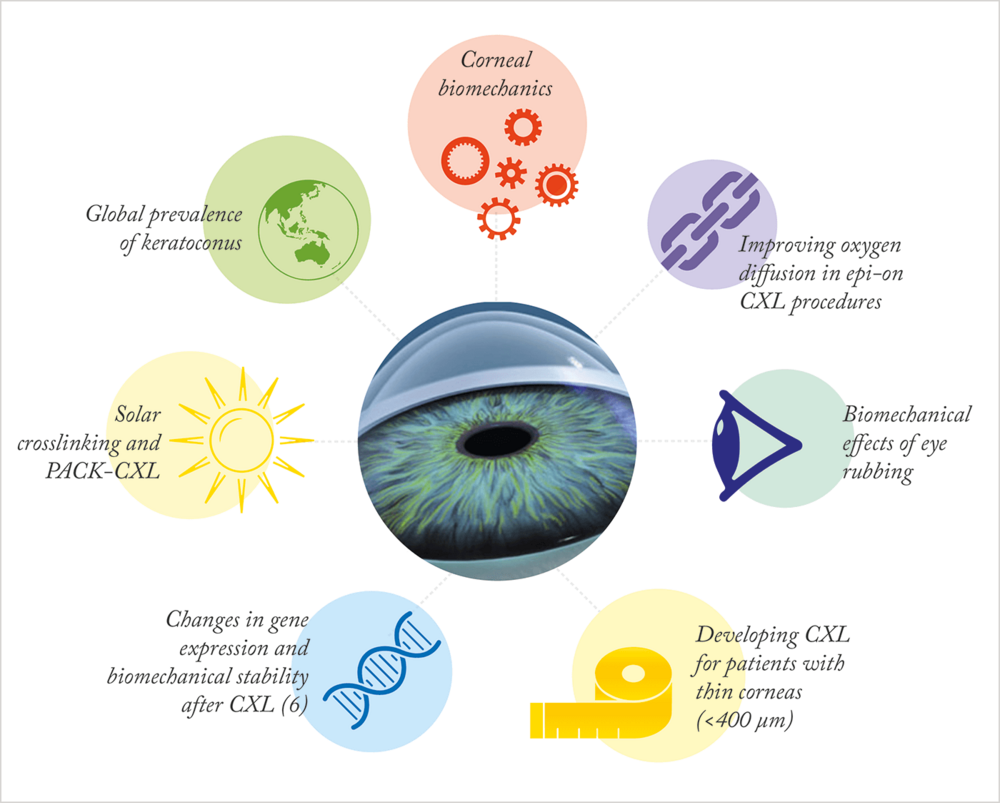
Corneal Crosslinking To Be Continued

Ophthalmology Management Keratoconus Trends In Cross Linking

What Is Corneal Cross Linking Avedro

Corneal Collagen Cross Linking Long Island Cxl Ny Sightmd

Keratoconus Cross Linking Loves Park Il Rockford Eye Laser Center

Eyeworld Keratoconus Patient Selection For Crosslinking

Chicago Corneal Cross Linking Cxl Procedures Foulkes Vision
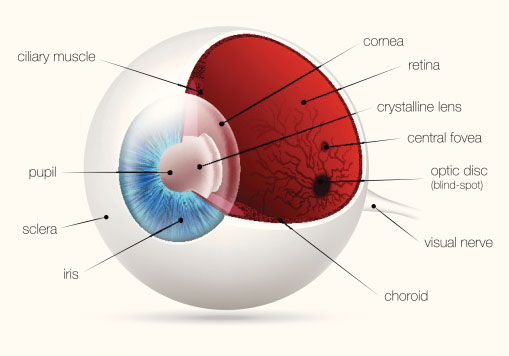
Corneal Collagen Cross Linking Dr John Goosey

Postoperative Management Of Corneal Crosslinking Patients
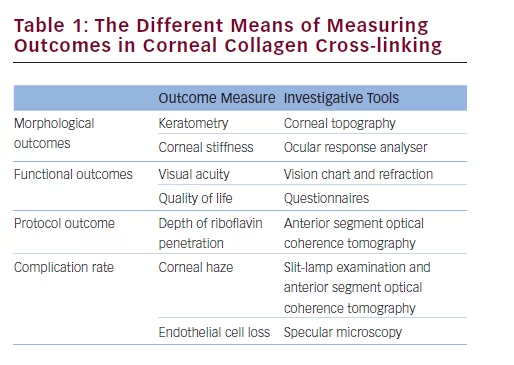
Corneal Collagen Cross Linking For Keratoconus Touchophthalmology

Collagen Cross Linking For Kerratoconus And Ectasia In Cairo Egypt
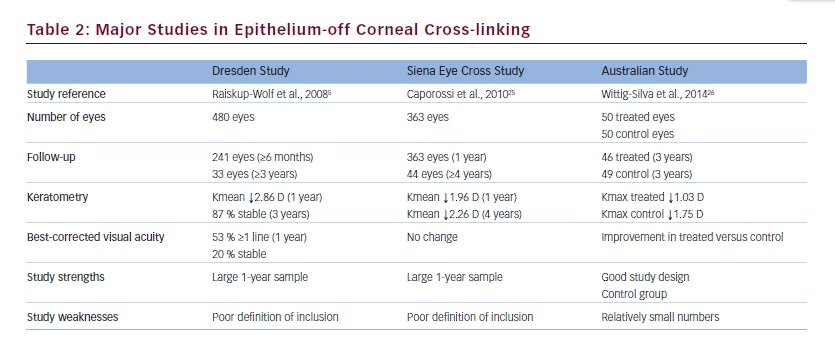
Corneal Collagen Cross Linking For Keratoconus Touchophthalmology

Everything You Need To Know About Corneal Collagen Cross Linking Cxl Covalentcareers

Corneal Collagen Cross Linking Keratoconus Support And Awareness

Corneal Cross Linking Cxl Precision Family Eye Care

Cornea Charleston Cross Linking Charleston Carolina Cataract


