Fdg Pet Alzheimers Disease
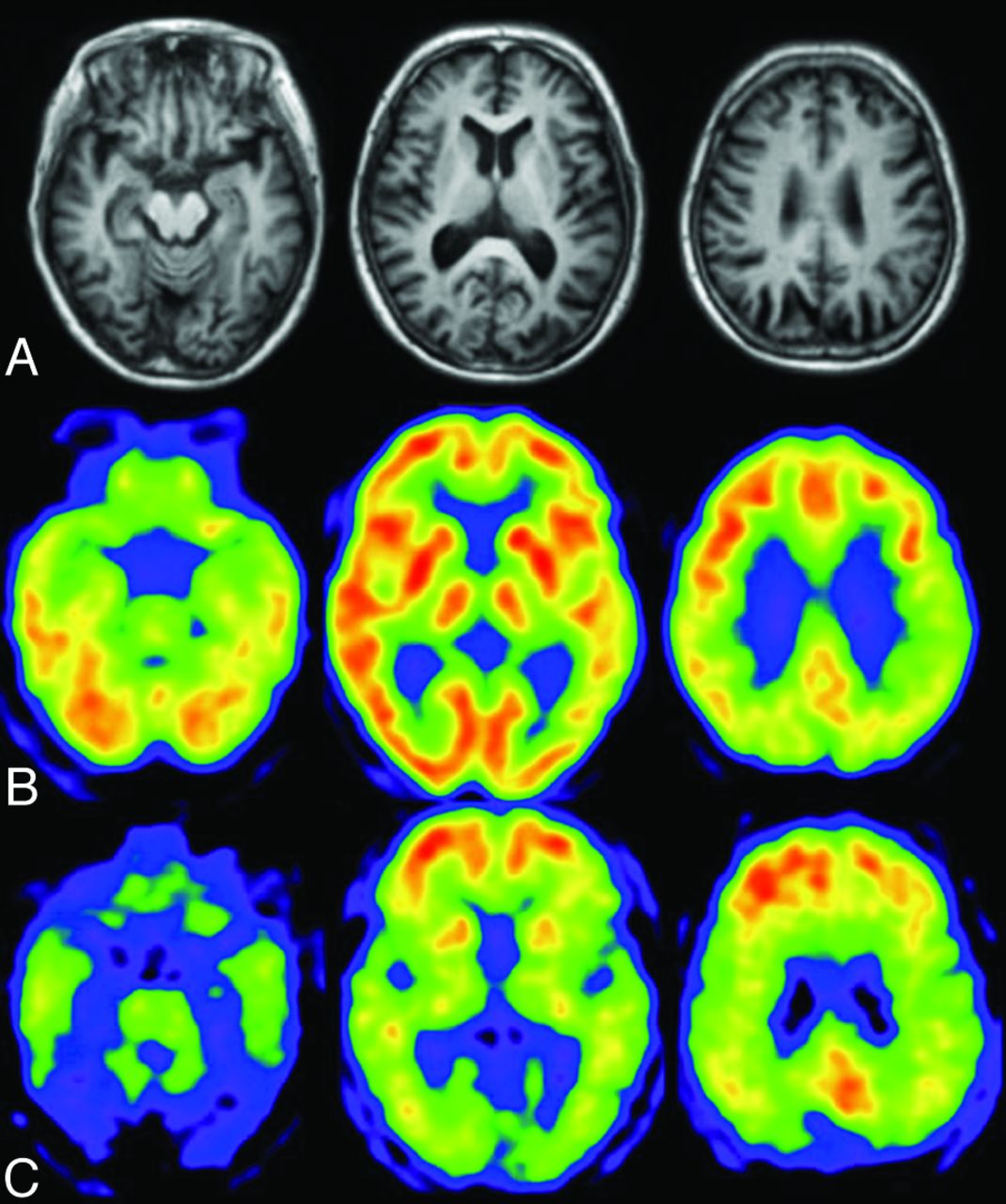
Pet Approaches For Diagnosis Of Dementia American Journal Of Neuroradiology

Alzheimer S Disease Northern California Pet Imaging Center

Early Detection Of Alzheimer S Disease Using Pib And Fdg Pet Sciencedirect

The Use Of Pet In Alzheimer Disease Nature Reviews Neurology
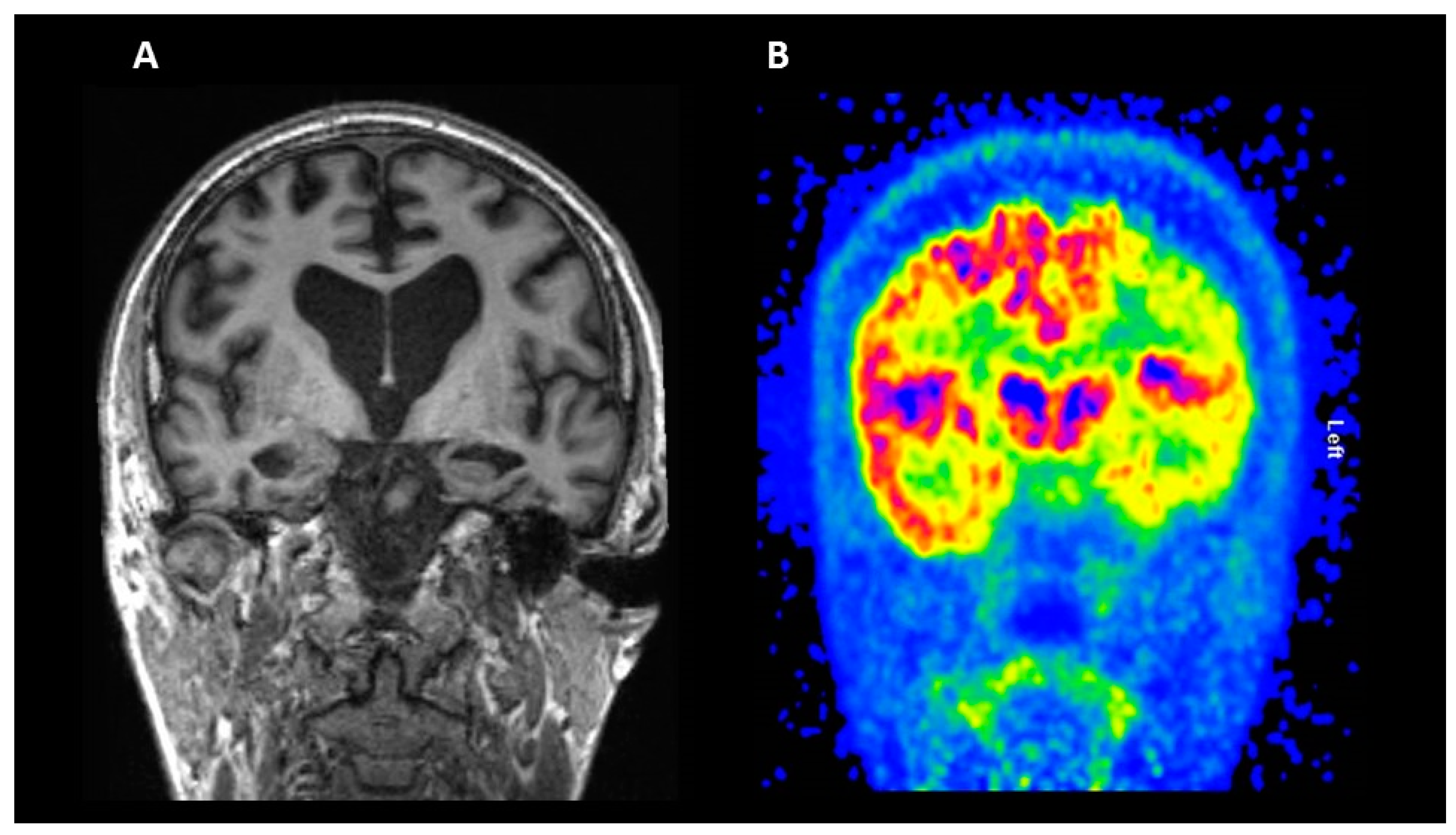
Ijms Free Full Text Imaging And Molecular Mechanisms Of Alzheimer S Disease A Review Html

Pet Approaches For Diagnosis Of Dementia American Journal Of Neuroradiology
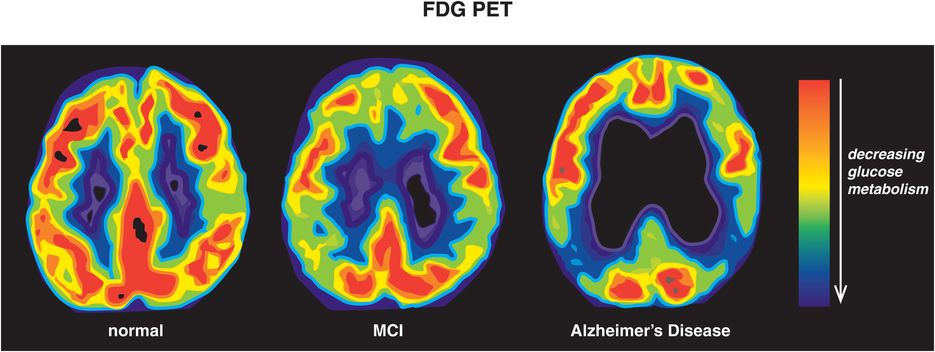
18 FFDGPET is particularly useful for early diagnosis, as it can show characteristic patterns of Alzheimer's disease neurodegeneration earlier than MRI in individuals with mild cognitive impairment who will go on to develop Alzheimer's dementia8, 45, 46 Previous studies have shown the added value of 18 FFDGPET over routine CSF or MRI tests.

Fdg pet alzheimers disease. FDGPET for Alzheimer’s Disease Medicare Coverage for PET and PET/CT The following additional conditions must be met • The patient’s onset, clinical presentation, or course of cognitive impairment is such that FTD is suspected as an alternative neurodegenerative cause of the cognitive decline Specifically,. Clusters of similar decline trajectories were identified for patients with relevant baseline fluorodeoxyglucose positron emission tomography (FDG‐PET) imaging data (N=530) using mini‐mental state examination (MMSE), clinical dementia rating sum of boxes (CDR‐SB), Alzheimer’s disease assessment scale (ADAS‐13), and functional. They analyzed data from the Alzheimer's Disease Neuroimaging Initiative, a multicenter study designed to identify biomarkers for the detection and tracking of AD Using participants' FDG PET.
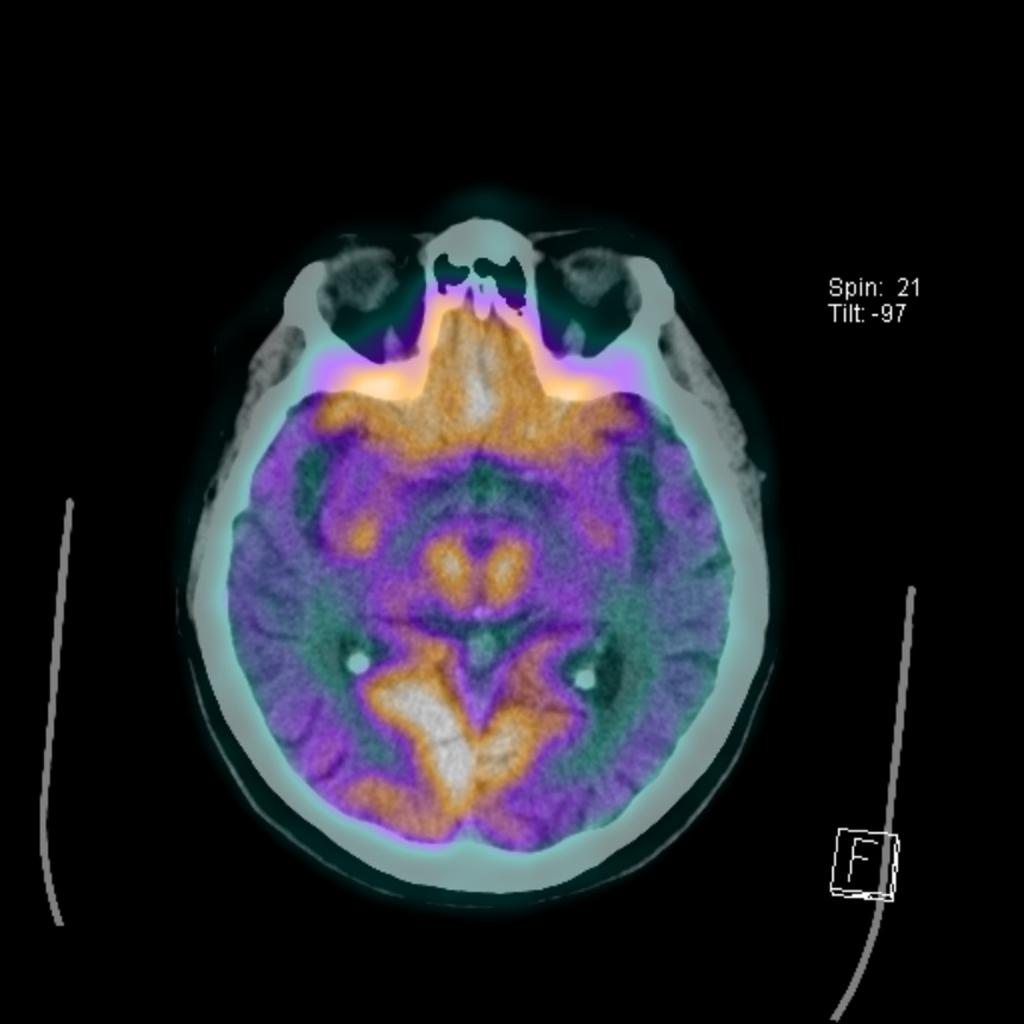
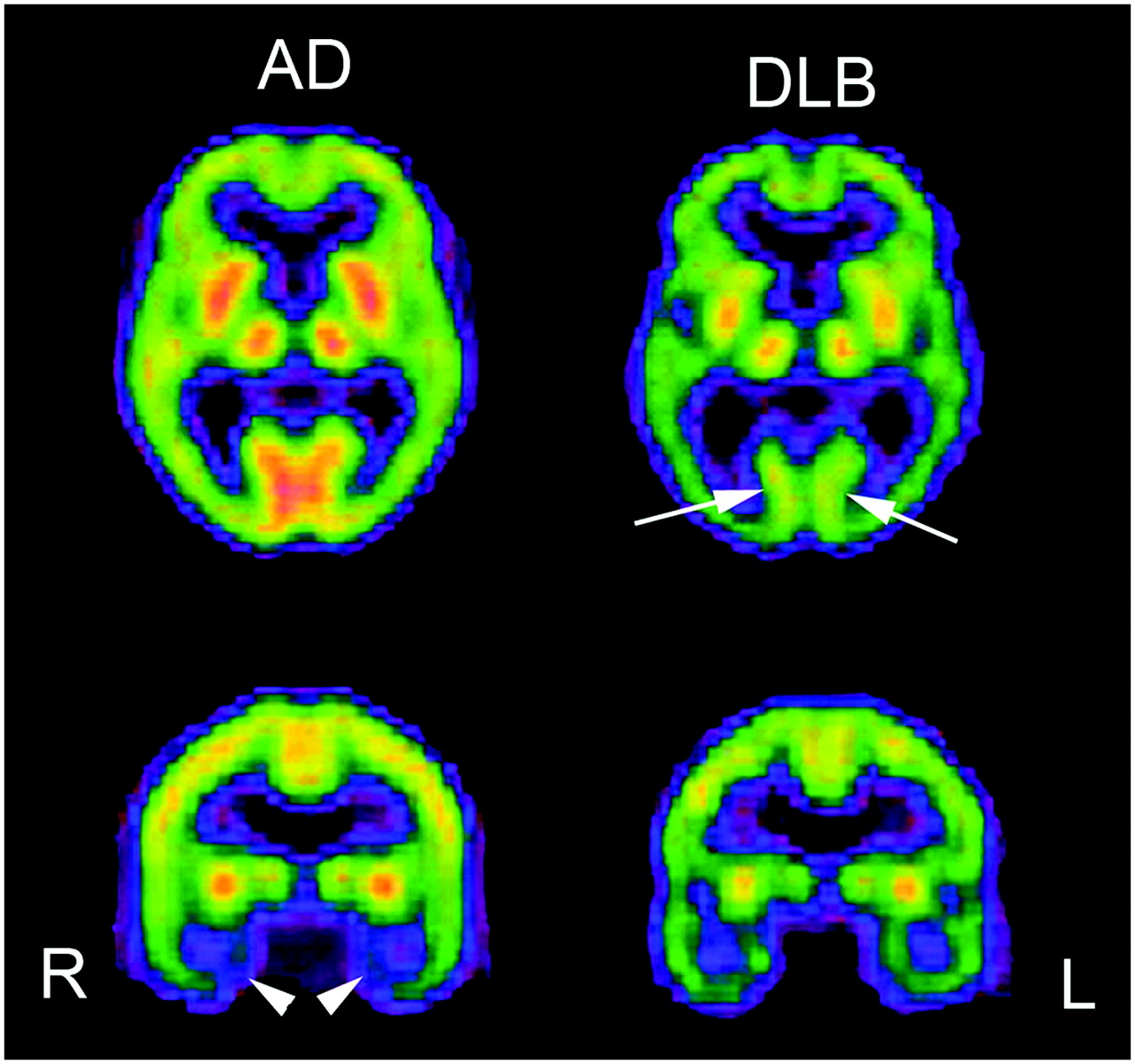
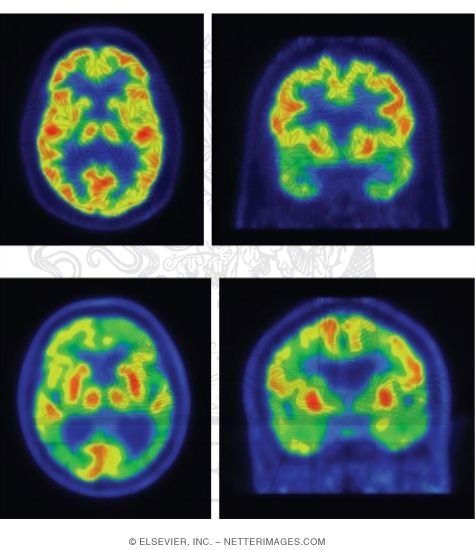
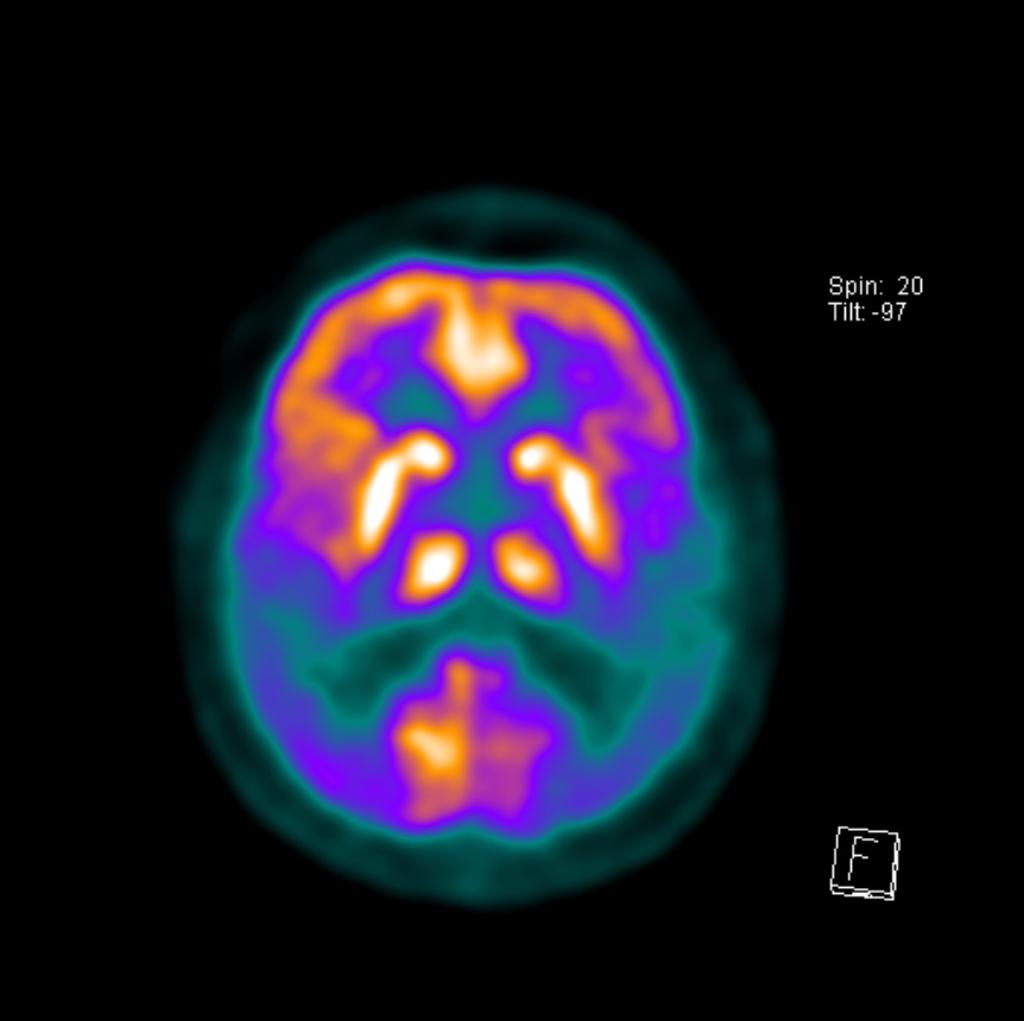
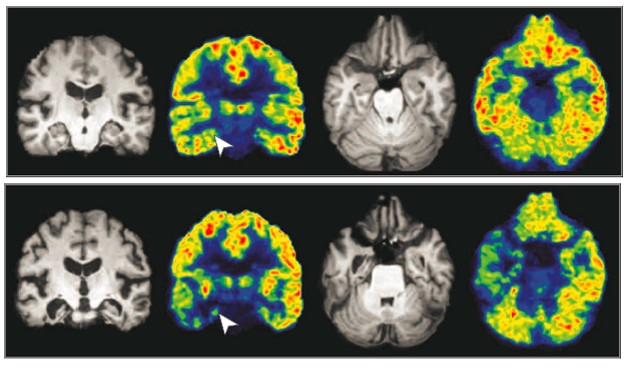
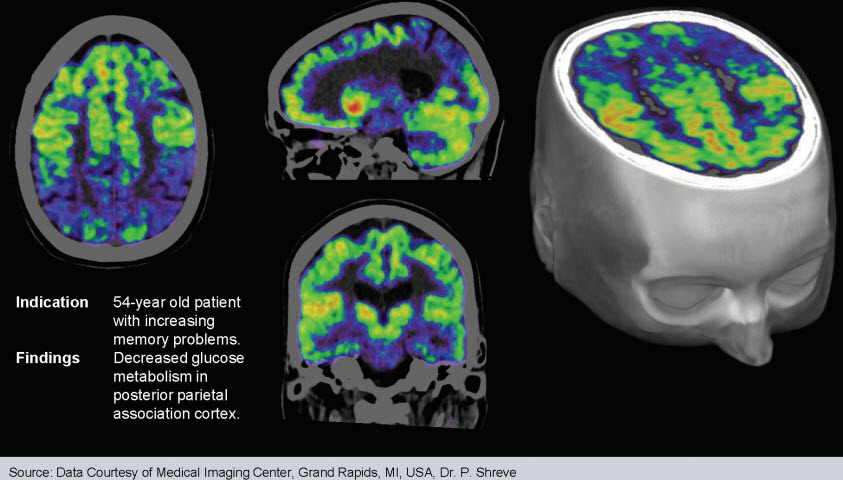
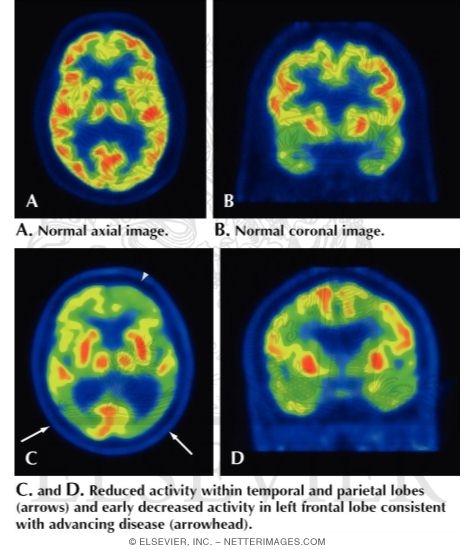
CMS considers 18 FFDG PET/CT reasonable and necessary in patients with cognitive decline of at least 6 months who meet the diagnostic criteria for both FTD and AD but for whom the cause of the clinical symptoms remains uncertain Fluorine18FDG PET/CT is likely helpful for other indications;. (b) Axial FDG PET image in a patient with advanced Alzheimer disease shows severe cortical hypometabolism involving both the frontal and parietal lobes Note the relative sparing of the sensorimotor cortices (arrows), which is a classic finding of Alzheimer disease. The Current Status of Alzheimer’s PET Imaging May 12, Alzheimer’s disease is the sixth leading cause of death in the United States Around one in three American seniors die from Alzheimer’s or another dementia, making it a bigger killer than breast and prostate cancer combined.
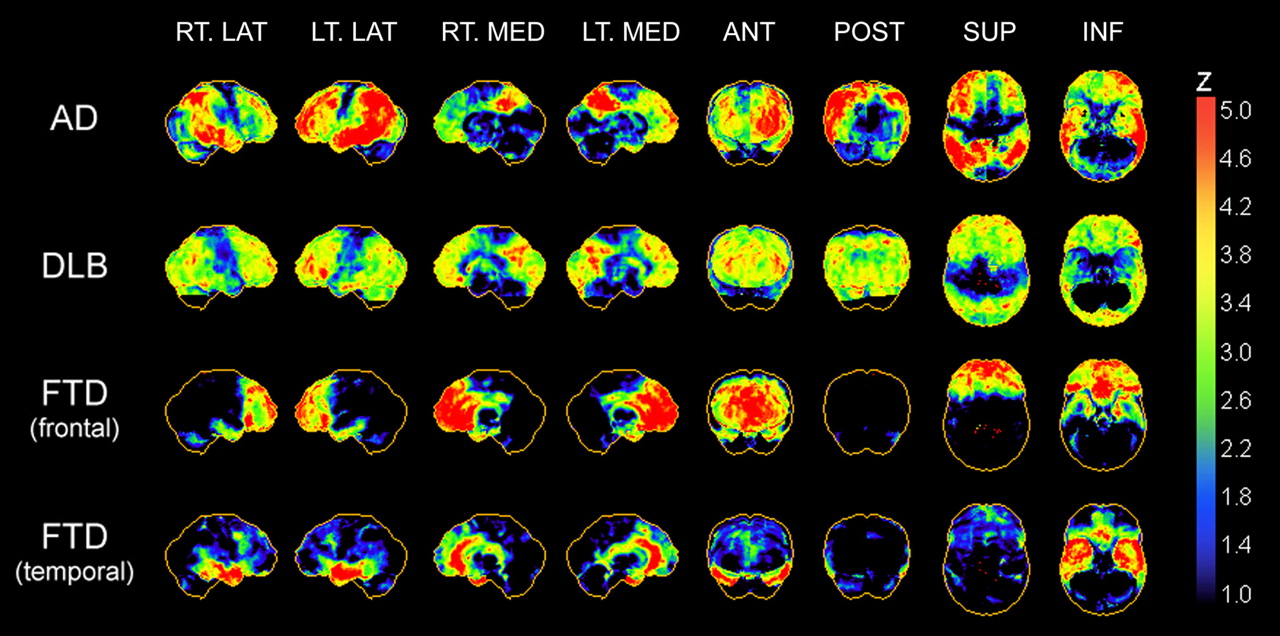
This multicenter study examined 18FFDG PET measures in the differential diagnosis of Alzheimer's disease (AD), frontotemporal dementia (FTD), and dementia with Lewy bodies (DLB) from normal aging and from each other and the relation of diseasespecific patterns to mild cognitive impairment (MCI) Methods We examined the 18FFDG PET scans of 548 subjects, including 110 healthy elderly. Alzheimer’s disease (AD), as measured by 18Ffluorodeoxyglucose positron emission tomography (FDGPET), and the cellular markers of the disease is poorly understood Atrophy is the best correlate to focal hypometabolism 1,2 In a pathological study conducted 16 months after an AD patient was evaluated with FDGPET, regional. Dementia syndromes present a diagnostic challenge given their overlapping clinical features and insidious presentations Cerebral 2deoxy2F18fluoroglucose (FDG) positron emission tomography (PET) is a functional imaging modality commonly used in the evaluation of dementia.
The scan, FDGPET, helped six doctors from three national Alzheimer's disease centers correctly diagnose frontotemporal dementia (FTD) and Alzheimer's in almost 90 percent of cases in the study. Blood ptau181 was measured in. Alzheimer's disease (AD) can present with behavioral changes with this syndrome described as frontal variant AD (FvAD) Excess frontal pathology may explain this presentation Neuroimaging with fluorodeoxyglucose positron emission tomography (FDG PET) can be used to examine the effects of pathology in FvAD.
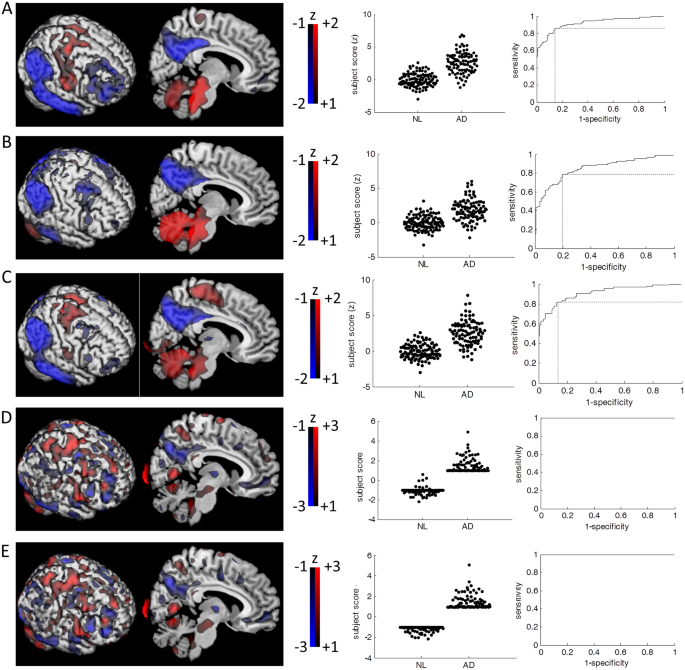
Baseline plasma ptau181 levels were tied to cognitive decline plus concurrent and prospective neurodegeneration in Alzheimer'scharacteristic brain regions on MRI and FDGPET. Blood ptau181 was measured in. Reduced 18 Ffluorodeoxyglucosepositron emission tomography (FDGPET) brain metabolism was recognized as a biomarker of neurodegeneration in the recently proposed ATN framework for Alzheimer’s disease (AD) biological definition However, accumulating evidence suggested it is an independent biomarker, which is denoted as “F” in the very study.
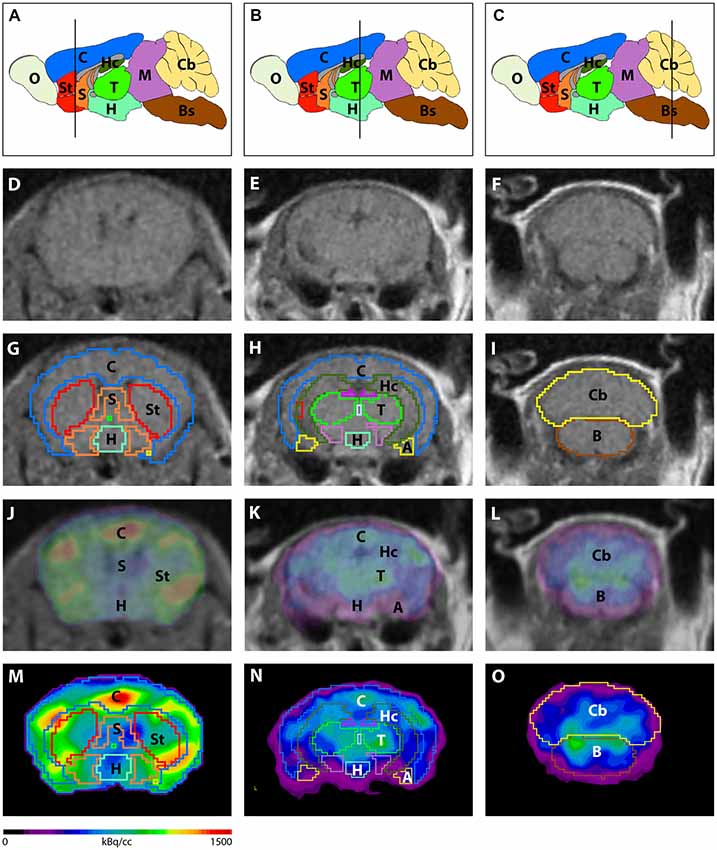
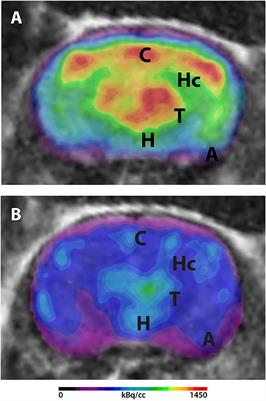
The purpose of this study was to confirm with pathologic verification 2 beliefs related to Alzheimer's disease (AD) (a) the longstanding impression that bilateral temporoparietal hypometabolism, as noted on FDG PET imaging, is the metabolic abnormality associated with Alzheimer's disease (AD) and (b) that the sensitivity, specificity, and diagnostic accuracy of the metabolic pattern of. FDGPET for Alzheimer’s Disease Medicare Coverage for PET and PET/CT The following additional conditions must be met • The patient’s onset, clinical presentation, or course of cognitive impairment is such that FTD is suspected as an alternative neurodegenerative cause of the cognitive decline Specifically,. Suitable animal models and in vivo biomarkers are essential for development and evaluation of new therapeutic strategies in Alzheimer's disease (AD) 18 FFluorodeoxyglucose (18 FFDG)positronemission tomography (PET) is an imaging biomarker that allows the assessment of cerebral glucose metabolism in vivoWhile 18 FFDGPET/CT is an established tool in the evaluation of AD patients, its.
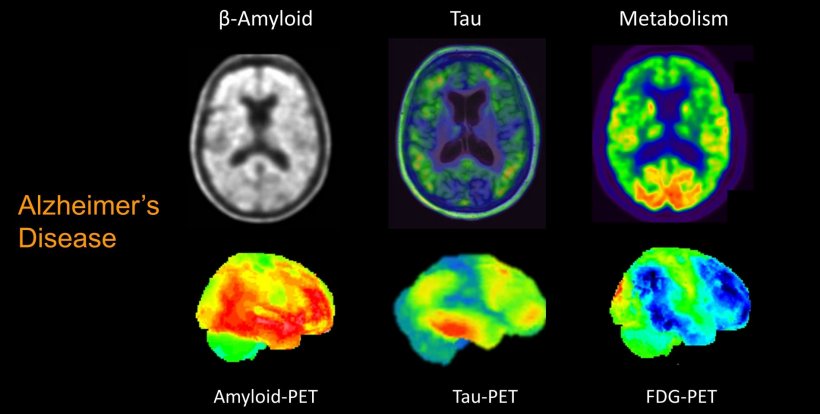
Various biomarkers are available to support the diagnosis of neurodegenerative diseases in clinical and research settings Among the molecular imaging biomarkers, amyloidPET, which assesses brain amyloid deposition, and 18 Ffluorodeoxyglucose (18 FFDG) PET, which assesses glucose metabolism, provide valuable and complementary information However, uncertainty remains regarding the optimal. Statistical Brain Mapping of 18 FFDG PET in Alzheimer’s Disease Validation of Anatomic Standardization for Atrophied Brains Kazunari Ishii , Frode Willoch , Satoshi Minoshima , Alexander Drzezga , Edward P Ficaro , Donna J Cross , David E Kuhl and Markus Schwaiger. Reduced 18 Ffluorodeoxyglucosepositron emission tomography (FDGPET) brain metabolism was recognized as a biomarker of neurodegeneration in the recently proposed ATN framework for Alzheimer’s disease (AD) biological definition However, accumulating evidence suggested it is an independent biomarker, which is denoted as “F” in the very.
Clusters of similar decline trajectories were identified for patients with relevant baseline fluorodeoxyglucose positron emission tomography (FDG‐PET) imaging data (N=530) using mini‐mental state examination (MMSE), clinical dementia rating sum of boxes (CDR‐SB), Alzheimer’s disease assessment scale (ADAS‐13), and functional. We review the role of brain FDG PET in the diagnosis of Alzheimer disease, frontotemporal dementia, dementia with Lewy bodies, and vascular dementia Characteristic spatial patterns of brain metabolism on FDG PET can help differentiate various subtypes of dementia CONCLUSION In patients with different subtypes of dementia, FDG PET/CT shows distinct spatial patterns of metabolism in the brain and can help clinicians to make a reasonably accurate and early diagnosis for appropriate. Of these, 378 were cognitively normal, 537 had mild cognitive impairment (MCI), and 198 AD dementia Participants had at least one FDG PET or structural MRI scan collected each time blood was taken Blood samples were taken for up to eight years and stored;.
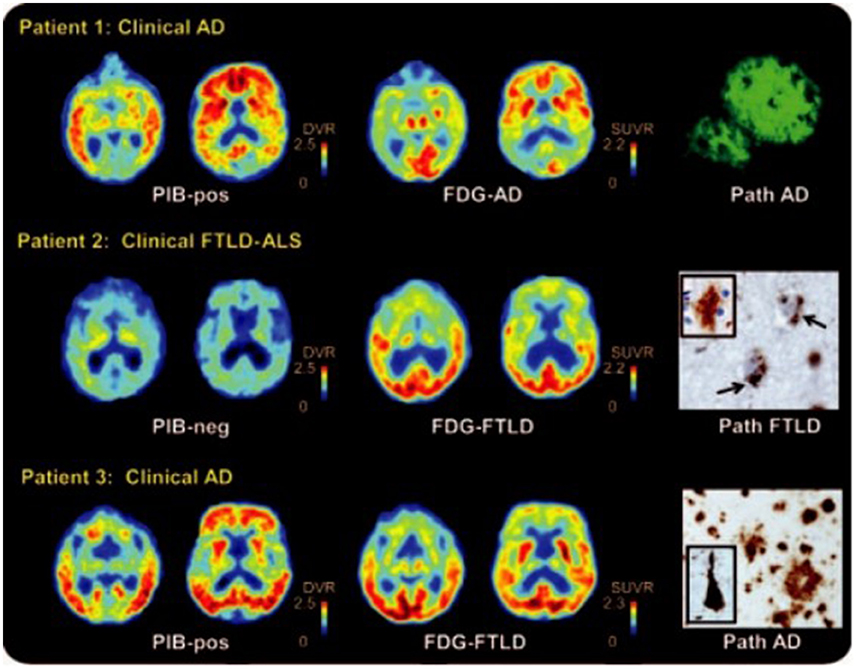
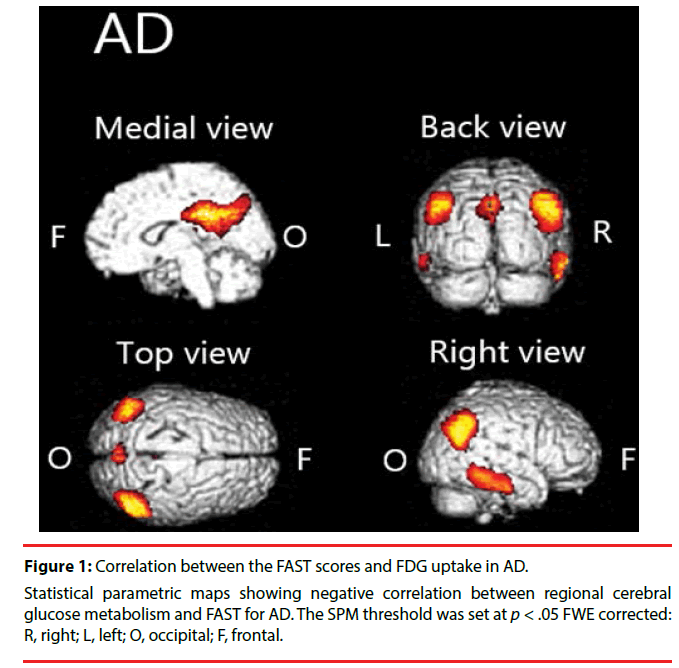
Objective To evaluate FDGPET as an antemortem diagnostic tool for Alzheimerrelated TAR DNAbinding protein of 43 kDa (TDP43) proteinopathy Methods We conducted a crosssectional neuroimaging–histologic analysis of patients with antemortem FDGPET and postmortem brain tissue from the Mayo Clinic Alzheimer's Disease Research Center and Study of Aging with Alzheimer spectrum pathology. Background Florbetapir (AV45) and fluorodeoxyglucose (FDG) PET imaging are valuable techniques to detect the amyloidβ (Aβ) load and brain glucose metabolism in patients with Alzheimer's disease (AD) Objective The purpose of this study is to access the characteristics of Aβ load and FDG metabolism in brain for further investigating their relationships with cognitive impairment in AD. Distinguishing Alzheimer's disease and frontotemporal dementia currently relies on a clinical history and examination, but PET with fluorodeoxyglucose (FDGPET) shows patterns of hypometabolism in.
The scan, FDGPET, helped six doctors from three national Alzheimer's disease centers correctly diagnose frontotemporal dementia (FTD) and Alzheimer's in almost 90 percent of cases in the study. Introduction Neuroimaging studies using 18Ffluorodeoxyglucose positron emission tomography (FDGPET) and structural magnetic resonance imaging (sMRI) provide substantial evidence of high sensitivity for early detection and progression assessment in Alzheimer's disease (AD) at a group and single subject level –However, among these studies there are a number of discordant results in terms. Positron emission tomography for diagnosis of Alzheimer’s disease and vascular dementia J Neural Transm Suppl 1998; Bergeron D, Beauregard JM, Guimond J, et al Clinical Impact of a Second FDGPET in Atypical/Unclear Dementia Syndromes.
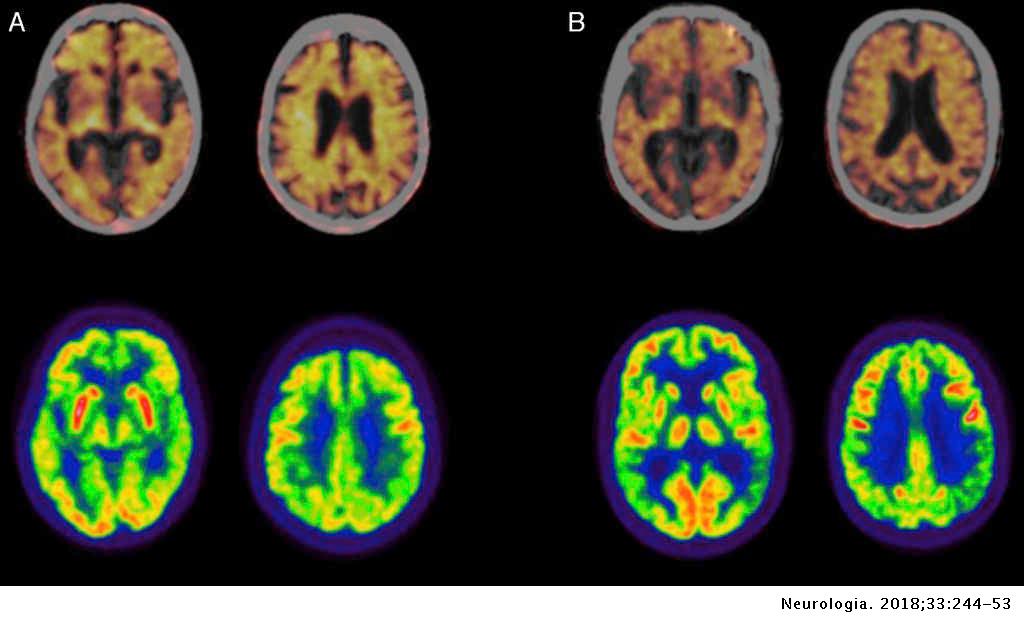
Introduction Alzheimer Disease (AD) is a chronic neurodegenerative disorder that affects approximately 9 million people in Europe (DiazPonce et al, 16)This disease is characterized by asymptomatic onset (Dubois et al, 14) followed by cognitive decline that worsens with disease progression (Bouwman et al, 10;. Clusters of similar decline trajectories were identified for patients with relevant baseline fluorodeoxyglucose positron emission tomography (FDG‐PET) imaging data (N=530) using mini‐mental state examination (MMSE), clinical dementia rating sum of boxes (CDR‐SB), Alzheimer’s disease assessment scale (ADAS‐13), and functional. FDGPET abnormalities in nonamnesiac MCI ranged from normal metabolism to patterns resembling frontotemporal dementia and diffuse Lewy body disease, suggesting another dimension to the spectrum of AD 12 Preliminary PET data show a promising ability to predict progression from MCI to AD.
Summary Positron emission tomography (PET) with 18F2fluoro2deoxyDglucose (FDG) demonstrates a typical pattern of impairment of regional metabolic rates of glucose (rCMRGlu) in most patients with a clinical diagnosis of probable Alzheimer's disease (AD) reduction of rCMRGlu in temporoparietal association cortex, more variably also in prefontal cortex, but relative preservation of. Alzheimer's disease dementia ¹⁸F‐FDG PET 14 150/421 76 (54 to 90) 385 (22 ‐ 50) 174 285 Key feature of the results The results of the included studies show a great deal of heterogeneity, encompassing both values which would render the technology “useless” and some which indicate a valuable diagnostic tool. Yiming Ding, from the University of California in San Francisco, and colleagues collected prospective 18 FFDG PET brain images from the Alzheimer’s Disease Neuroimaging Initiative (ADNI;.
Reimbursement of 18 FFDGPET is mainly provided for the differential diagnosis of Alzheimer's disease versus frontotemporal lobar degeneration in the USA and many European countries. Abstract Background Alzheimer's disease (AD) can present with behavioral changes with this syndrome described as frontal variant AD (FvAD) Excess frontal pathology may explain this presentation Neuroimaging with fluorodeoxyglucose positron emission tomography (FDG PET) can be used to examine the effects of pathology in FvAD. Quantitative amyloid PET in Alzheimer's disease the AMYPAD prognostic and natural history study Isadora Lopes Alves the presence of Aβ pathology can be determined either by cerebrospinal fluid (CSF), positron emission tomography (PET) imaging, FDG and water‐PET, 41 the value of such information in a pre‐dementia population.
PDF On Oct 1, 18, Xiaoxi Pan and others published Alzheimer'S Disease Diagnosis with FDGPET Brain Images By Using MultiLevel Features Find, read and cite all the research you need on. The scan, FDGPET, helped six doctors from three national Alzheimer's disease centers correctly diagnose frontotemporal dementia (FTD) and Alzheimer's in almost 90 percent of cases in the study. Compared to regular amyloid imaging, fluorodeoxyglucose positron emission tomography (FDG PET), an imaging technique that quantifies brain function by measuring glucose levels, can better assess the progression and severity of cognitive decline in people with Alzheimer’s, and also cognitive impairment, researchers have found.
The aim of this study is to identify mild cognitive impairment (MCI) due to Alzheimer’s disease (AD) using amyloid imaging of beta amyloid (Aβ) deposition and FDG imaging of reflecting neuronal dysfunction as PET biomarkers Sixtyeight MCI patients underwent cognitive testing, 11CPIB PET and 18FFDG PET at baseline and followup. Summary Positron emission tomography (PET) with 18F2fluoro2deoxyDglucose (FDG) demonstrates a typical pattern of impairment of regional metabolic rates of glucose (rCMRGlu) in most patients with a clinical diagnosis of probable Alzheimer's disease (AD) reduction of rCMRGlu in temporoparietal association cortex, more variably also in prefontal cortex, but relative preservation of. The purpose of this study was to confirm with pathologic verification 2 beliefs related to Alzheimer's disease (AD) (a) the longstanding impression that bilateral temporoparietal hypometabolism, as noted on FDG PET imaging, is the metabolic abnormality associated with Alzheimer's disease (AD) and (b) that the sensitivity, specificity, and diagnostic accuracy of the metabolic pattern of.
Baseline plasma ptau181 levels were tied to cognitive decline plus concurrent and prospective neurodegeneration in Alzheimer'scharacteristic brain regions on MRI and FDGPET. Background Florbetapir (AV45) and fluorodeoxyglucose (FDG) PET imaging are valuable techniques to detect the amyloidβ (Aβ) load and brain glucose metabolism in patients with Alzheimer's disease (AD) Objective The purpose of this study is to access the characteristics of Aβ load and FDG metabolism in brain for further investigating their relationships with cognitive impairment in AD. Suitable animal models and in vivo biomarkers are essential for development and evaluation of new therapeutic strategies in Alzheimer's disease (AD) 18FFluorodeoxyglucose (18FFDG)positronemission tomography (PET) is an imaging biomarker that allows the assessment of cerebral glucose metabolism in vivo While 18FFDGPET/CT is an established tool in the evaluation of AD patients, its role.
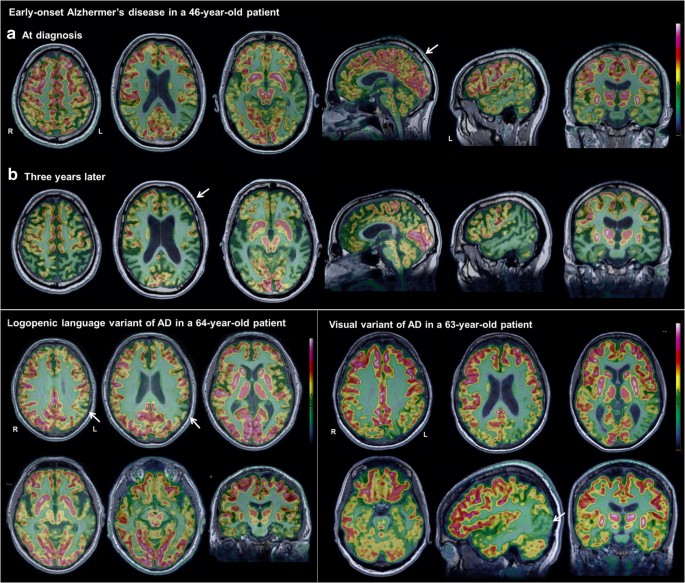
FDGPET for Alzheimer’s Disease Medicare Coverage for PET and PET/CT The following additional conditions must be met • The patient’s onset, clinical presentation, or course of cognitive impairment is such that FTD is suspected as an alternative neurodegenerative cause of the cognitive decline Specifically,. FDGPET for Alzheimer’s Disease Medicare Coverage for PET and PET/CT The following additional conditions must be met • The patient’s onset, clinical presentation, or course of cognitive impairment is such that FTD is suspected as an alternative neurodegenerative cause of the cognitive decline Specifically,. In particular, Alzheimer disease has been found to sometimes manifest with socalled focal cortical findings, which may be classified with FDG PET as FTD, corticobasal degeneration, or PCA These findings indicate that Alzheimer disease is a much more common cause of focal cortical syndromes than was previously recognized ( 74 ).
18 FFDGPET is particularly useful for early diagnosis, as it can show characteristic patterns of Alzheimer's disease neurodegeneration earlier than MRI in individuals with mild cognitive impairment who will go on to develop Alzheimer's dementia8, 45, 46 Previous studies have shown the added value of 18 FFDGPET over routine CSF or MRI tests. Quantitative amyloid PET in Alzheimer's disease the AMYPAD prognostic and natural history study Isadora Lopes Alves the presence of Aβ pathology can be determined either by cerebrospinal fluid (CSF), positron emission tomography (PET) imaging, FDG and water‐PET, 41 the value of such information in a pre‐dementia population. An amyloidPET scan measures the buildup of abnormal amyloid protein in the brain, one of the key hallmarks of Alzheimer’s disease An FDGPET scan measures the concentration of glucose in the brain, revealing how the brain is using energy These scans reveal aspects of how the brain is working that can’t be seen in any other way.
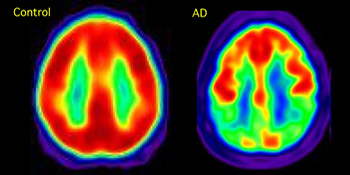
Functional imaging research suggests that those with Alzheimer's typically have reduced brain cell activity in certain regions For example, studies with fluorodeoxyglucose (FDG)PET indicate that Alzheimer's is often associated with reduced use of glucose (sugar) in brain areas important in memory, learning and problemsolving. Temporoparietal hypometabolism on 18 FFDG PET is one of the core biomarkers for the biomarkerbased diagnosis of Alzheimer’s disease The traditional readout of 18 FFDG PET for diagnostic reports is a subjective visual rating However, this is loaded with substantial interrater variability Standardization of readouts is a key factor for the use of markers in the clinic. The scan, FDGPET, helped six doctors from three national Alzheimer's disease centers correctly diagnose frontotemporal dementia (FTD) and Alzheimer's in almost 90 percent of cases in the study.
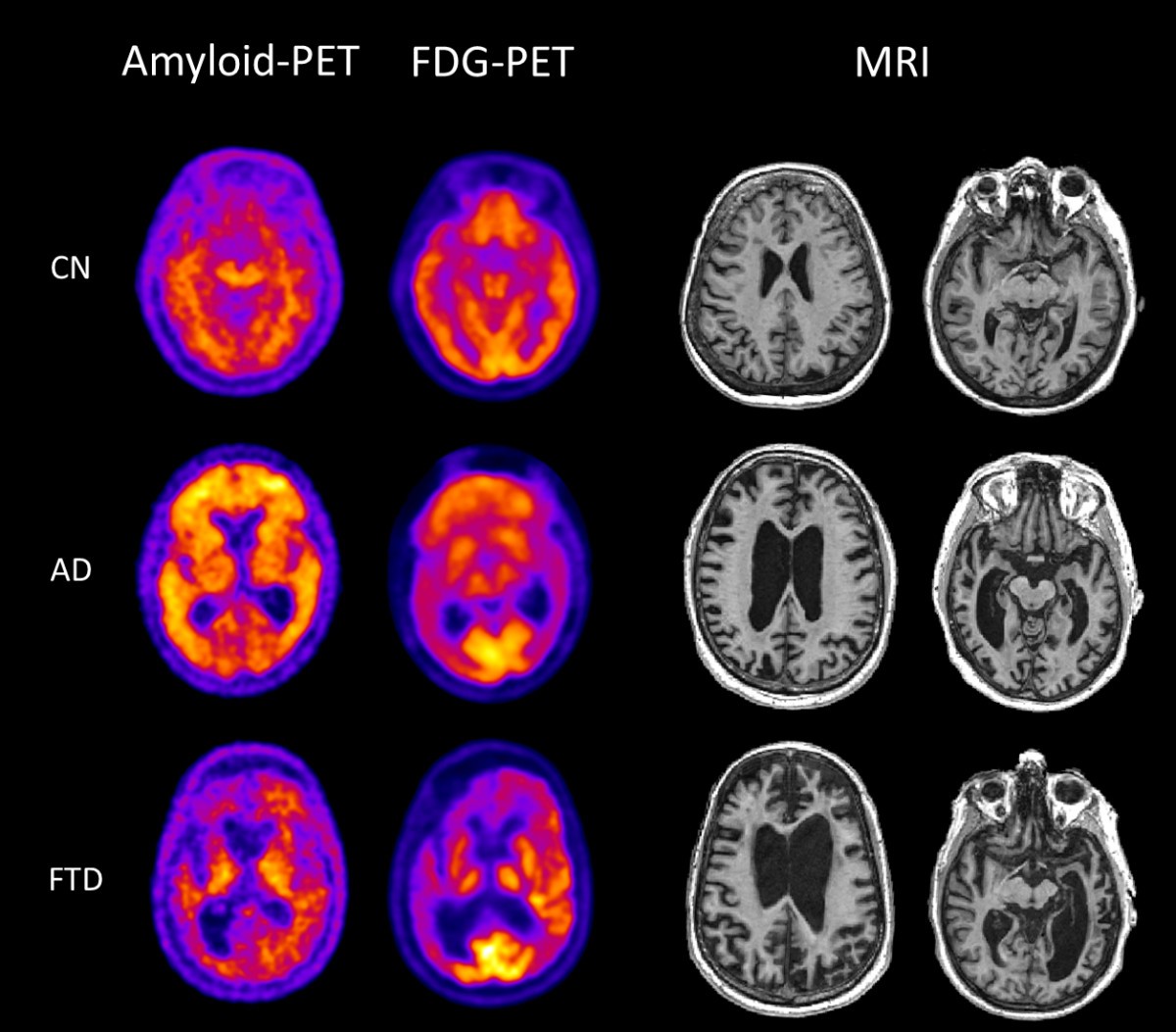
McKhann et al, 11)AD affects memory and the ability to carry out. Distinguishing Alzheimer's disease (AD) and frontotemporal dementia (FTD) currently relies on a clinical history and examination, but positron emission tomography with 18 F fluorodeoxyglucose (FDGPET) shows different patterns of hypometabolism in these disorders that might aid differential diagnosis. In general, amyloidPET is useful when a differential diagnosis between Alzheimer's disease and nonAlzheimer's disease causes of dementia is needed 18 FFDGPET can further address differential diagnosis within the frontotemporal lobar degeneration spectrum in patients who are amyloidnegative, or when the final diagnosis is still unclear.
Abstract Objective To evaluate FDGPET as an antemortem diagnostic tool for Alzheimerrelated TAR DNAbinding protein of 43 kDa (TDP43) proteinopathy Methods We conducted a crosssectional neuroimaging–histologic analysis of patients with antemortem FDGPET and postmortem brain tissue from the Mayo Clinic Alzheimer's Disease Research Center and Study of Aging with Alzheimer spectrum pathology. Of these, 378 were cognitively normal, 537 had mild cognitive impairment (MCI), and 198 AD dementia Participants had at least one FDG PET or structural MRI scan collected each time blood was taken Blood samples were taken for up to eight years and stored;. Blood ptau181 was measured in.
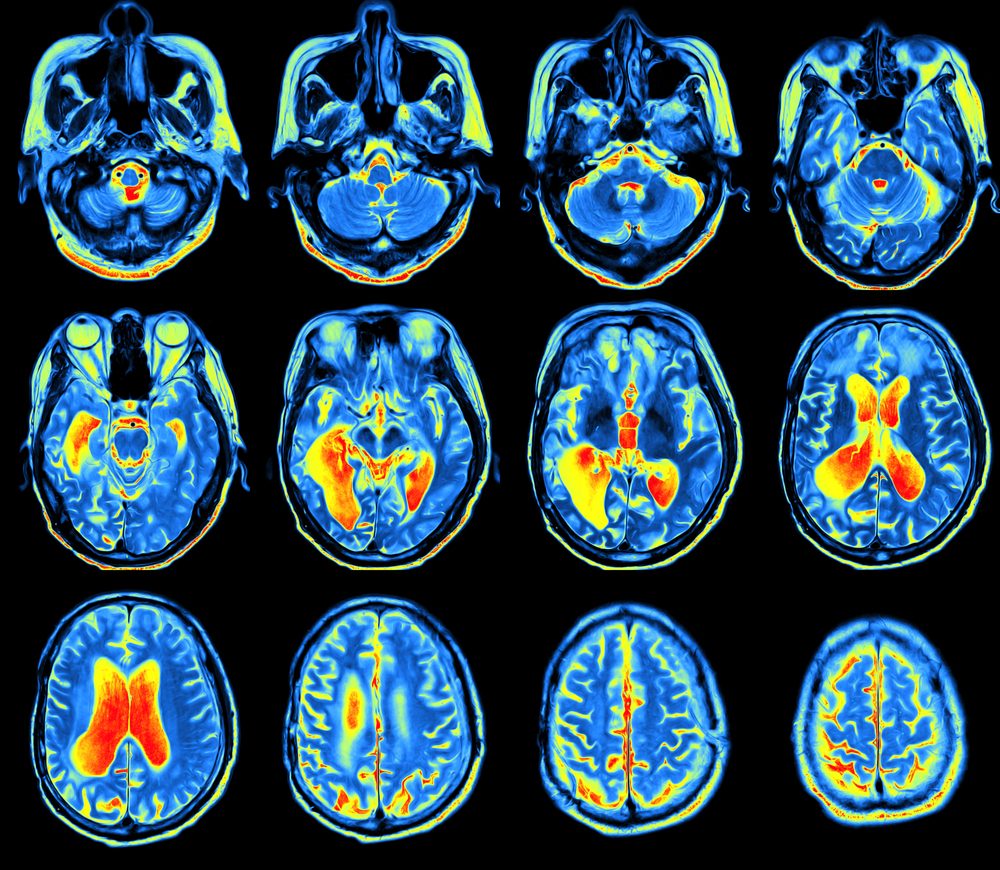
Compared to regular amyloid imaging, fluorodeoxyglucose positron emission tomography (FDG PET), an imaging technique that quantifies brain function by measuring glucose levels, can better assess the progression and severity of cognitive decline in people with Alzheimer’s, and also cognitive impairment, researchers have found.
Http Www Ranzcp Org Ranzcp Media Conference Presentations Son 18 Rowe Pet For Clinicians Nov 18 Pdf

Brain Defenders Alzheimers Disease Vs Ftd Fdg Pet In Addition To Clinical Findings Csf And Mri Pet Imaging Is Useful In Diagnosing Ad In Ad Fdg Pet Can Show Hypometabolism In The Temporoparietal Regions

Nuclear Imaging In Frontotemporal Dementia Radiology Key

Fdg Pet Shows Where Exercise Could Stall Alzheimer S

Brain Pet In Suspected Dementia Patterns Of Altered Fdg Metabolism Radiographics
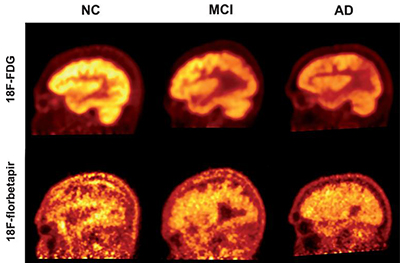
Measuring The Brain S Amyloid Buildup Less Effective In Identifying Severity Progression Of Alzheimer S Disease Compared To Other Imaging Methods Pr News
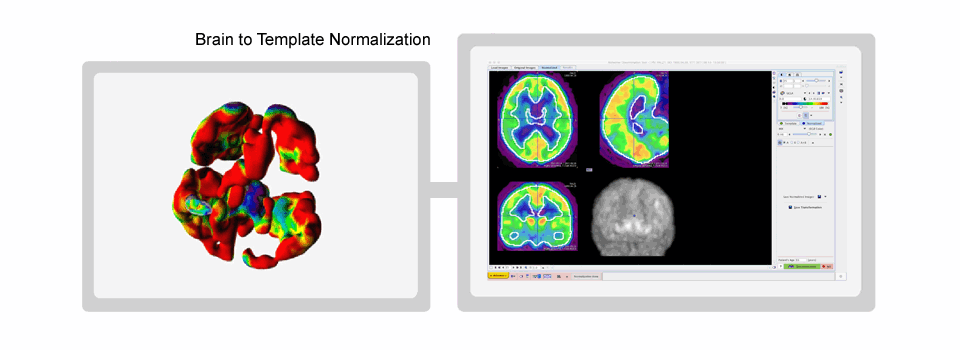
Alzheimer S Analysis For Fdg Pet Palz Pmod Technologies Llc

Fdg Pet Beats Amyloid Imaging For Assessing Alzheimer S
Generative Fdg Pet And Mri Model Of Aging And Disease Progression In Alzheimer S Disease

Amyloid Vs Fdg Pet In The Differential Diagnosis Of Ad And Ftld Neurology
Alzheimer S Disease Detection With Objective Statistical Evaluation Of Fdg Pet Brain Scans Essential Methodology For Early Identification Future Neurology

Fdg Pet Of A Patient With Alzheimer S Disease Transversal Slices Show Download Scientific Diagram

Brain 18f Fdg Pet Mri Coregistration Iconographic Essay

Spatial Correspondence Of Mean Fluordexoglucose Fdg Deviation And Download Scientific Diagram
Frontiers Pet Mr Imaging New Frontier In Alzheimer S Disease And Other Dementias Frontiers In Molecular Neuroscience
Www Ejradiology Com Article S07 048x 17 X Pdf

Arterial Spin Labeling Versus 18f Fdg Pet To Identify Mild Cognitive Impairment Sciencedirect

18f Fdg Pet Hyperactivity In Alzheimer S Disease Cerebellum And Primary Olfactory Cortex Biorxiv

Early Detection Of Alzheimer S Disease Using Pib And Fdg Pet Sciencedirect
Frontiers 18f Fdg Pet Detects Drastic Changes In Brain Metabolism In The Tg4 42 Model Of Alzheimer S Disease Frontiers In Aging Neuroscience

Consequences Of Metabolic Disruption In Alzheimer S Disease Pathology Springerlink

The Clinical Use Of Spect And Pet Molecular Imaging In Alzheimer S Disease Intechopen
Generative Fdg Pet And Mri Model Of Aging And Disease Progression In Alzheimer S Disease

Snmmi Image Of The Year Assesses Tau Buildup In Alzheimer S Patients Imaging Technology News

Changes Revealed By Pet In The Ad Brain A 18f Fdg Pet Patterns Download Scientific Diagram

Fdg Pet Of Control Mci And Mild Ad Individuals Fdg Pet Show Reduced Download Scientific Diagram

Fact Sheet Molecular Imaging And The Brain Snmmi
Http Www Ranzcp Org Ranzcp Media Conference Presentations Son 18 Rowe Pet For Clinicians Nov 18 Pdf

Fdg Pet Displays Its Prowess In Dementia Detection Physics World
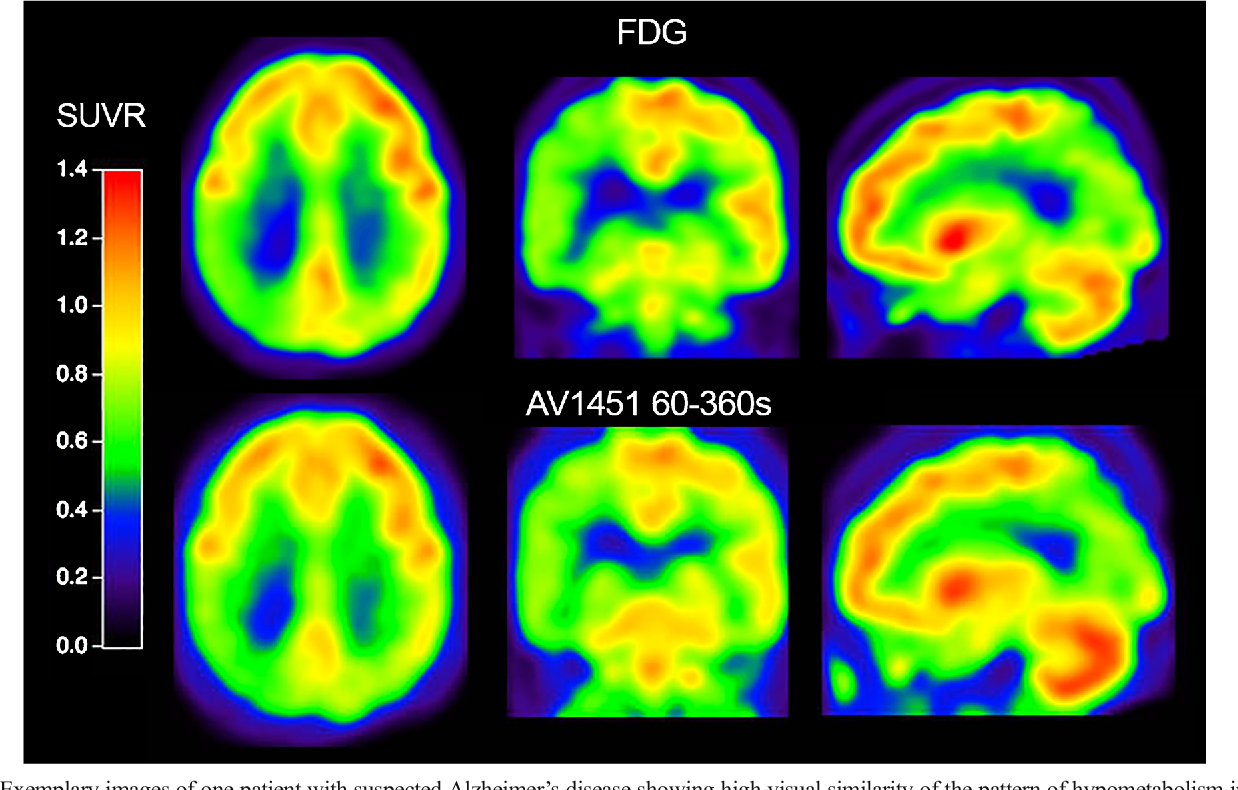
Figure 2 From Multimodal Correlation Of Dynamic 18f Av 1451 Perfusion Pet And Neuronal Hypometabolism In 18f Fdg Pet Semantic Scholar
The Alzheimer S Disease Neuroimaging Initiative Alzforum

Pet Approaches For Diagnosis Of Dementia American Journal Of Neuroradiology
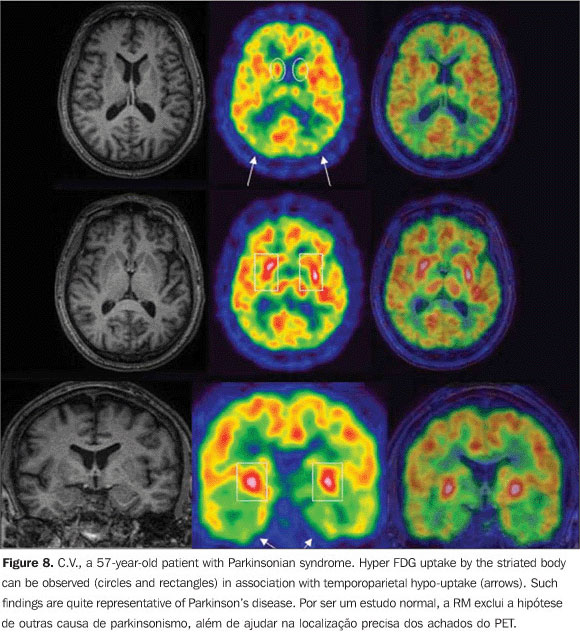
Radiologia Brasileira Pet Rm Neurologico Com Fdg 18f Ensaio Iconografico

Medpix Case Alzheimer S Disease Fdg Pet Pattern And History

18f Fdg Pet Hyperactivity In Alzheimer S Disease Cerebellum And Primary Olfactory Cortex Biorxiv
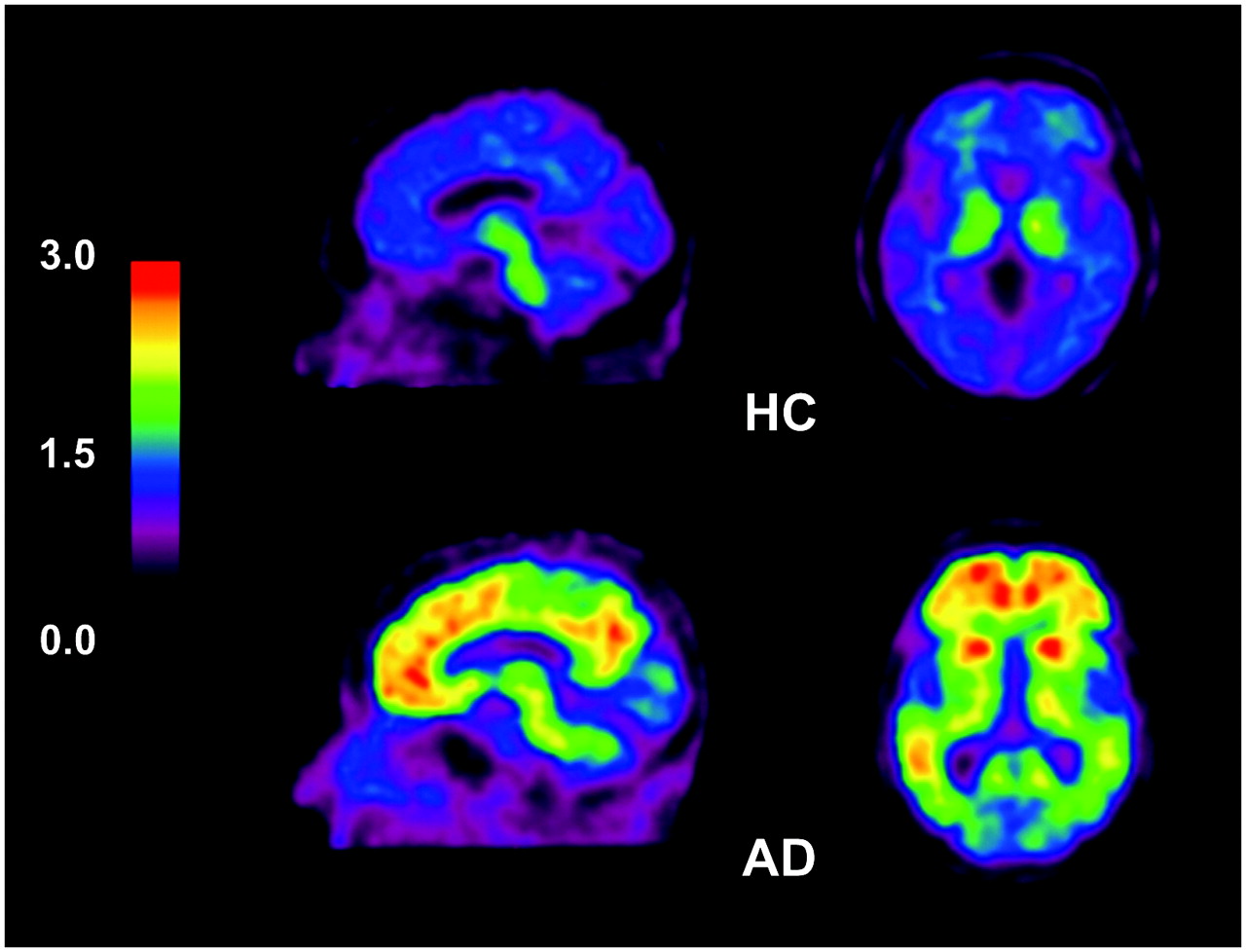
Visual Assessment Versus Quantitative Assessment Of 11c Pib Pet And 18f Fdg Pet For Detection Of Alzheimer S Disease Journal Of Nuclear Medicine
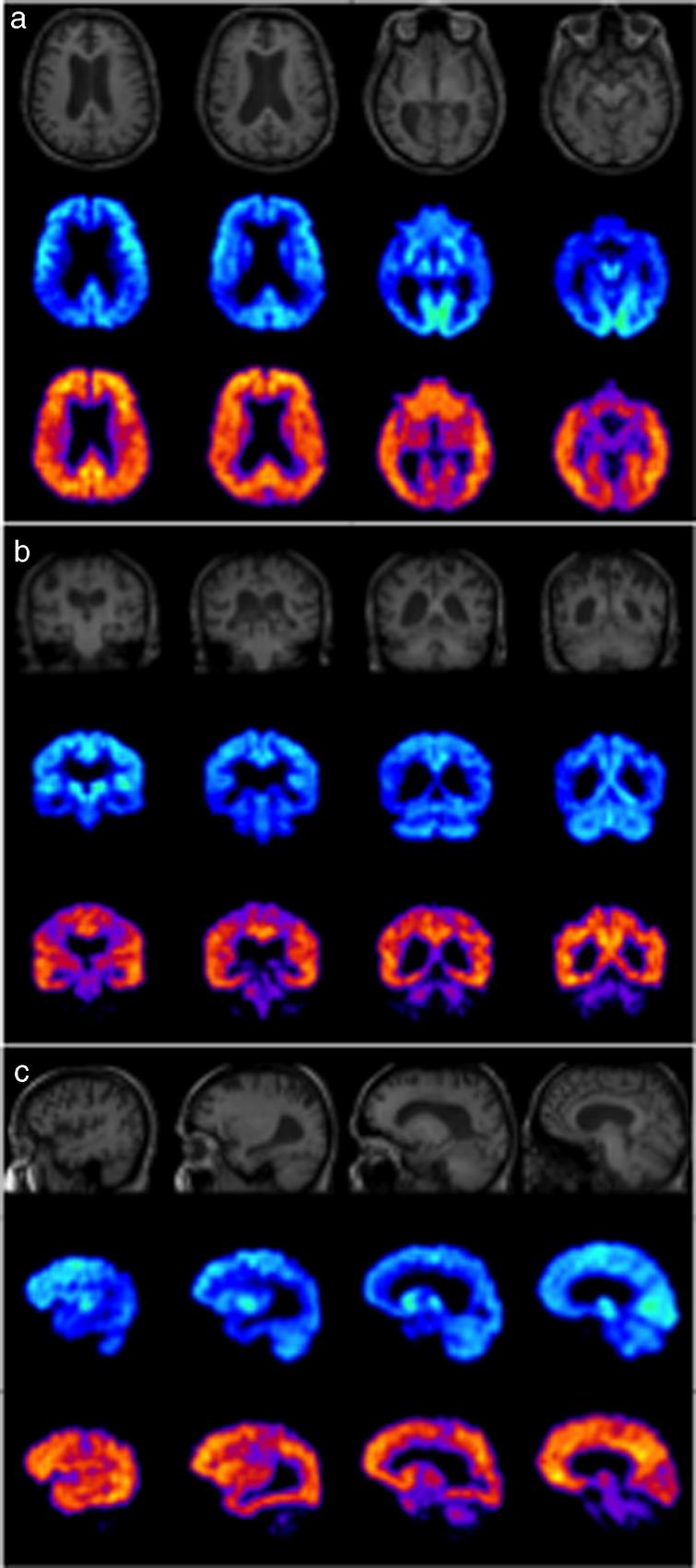
Imaging Biomarkers In Alzheimer S Disease A Practical Guide For Clinicians Ios Press
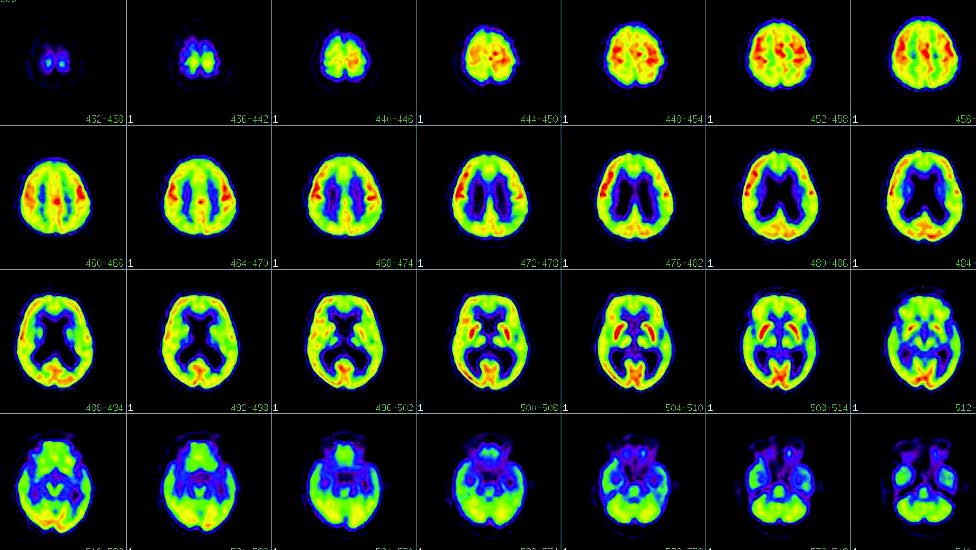
Pet Imaging In Alzheimer S Disease

Imagilys

18f Fdg Pet Algorithm Allows Early Prediction Of Alzheimer S Neurology Advisor
Dementia And Its Treatment Basicmedical Key

Pet Imaging Of Brain With Alzheimer Disease Accessmedicine Network
Alzheimer Disease Radiology Case Radiopaedia Org

Figure 2 Visual Assessment Versus Quantitative Assessment Of 11c Pib Pet And 18f Fdg Pet For Detection Of Alzheimer S Disease Journal Of Nuclear Medicine
Generative Fdg Pet And Mri Model Of Aging And Disease Progression In Alzheimer S Disease

Imaging Alzheimer S Disease Pathophysiology With Pet

Pin On Ct In Psychiatry

18 F Fdg Pet And 11 C Pk Pet Group Analysis The Download Scientific Diagram
Fdg Pet Scan More Accurately Assesses Alzheimer S Cognitive Decline
Machine Learning Identified An Alzheimer S Disease Related Fdg Pet Pattern Which Is Also Expressed In Lewy Body Dementia And Parkinson S Disease Dementia Scientific Reports
Role Of Neuroimaging In Alzheimer S Disease With Emphasis On Brain Perfusion Spect Journal Of Nuclear Medicine
Fdg Pet Typical Pattern For Alzheimer Disease
A Future For Pet Imaging In Alzheimer S Disease Springerlink

Fdg Pet Displays Its Prowess In Dementia Detection Physics World

Pet Of Brain Amyloid And Tau In Mild Cognitive Impairment Nejm

Reciprocal Incremental Value Of 18f Fdg Pet And Cerebrospinal Fluid Biomarkers In Mild Cognitive Impairment Patients Suspected For Alzheimer S Disease And Inconclusive First Biomarker Ios Press
Early And Late Onset Alzheimer Disease Are They The Same Entity Neurologia English Edition

Amyloid Pet And 18f Fdg Pet In The Diagnostic Investigation Of Alzheimer S Disease And Other Dementias The Lancet Neurology
Sup 18 Sup F Fdg Pet Identified Superior Colliculi Hypometabolism In Progressive Supranuclear Palsy Omics International
Neuroimaging Of Alzheimer S
Effectiveness And Safety Of 18f Fdg Pet In The Evaluation Of Dementia A Review Of The Recent Literature Journal Of Nuclear Medicine

Exosomal Hsp70 For Monitoring Of Frontotemporal Dementia And Alzheimer S Disease Clinical And Fdg Pet Correlation Ios Press
Clinicopathologic Assessment And Imaging Of Tauopathies In Neurodegenerative Dementias Alzheimer S Research Therapy Full Text

Fdg Pet In Alzheimer S Disease Radiology Key

Pet Approaches For Diagnosis Of Dementia American Journal Of Neuroradiology
Alzheimer Disease Radiology Case Radiopaedia Org

Fdg Pet Links Physical Activity To Healthy Brains
Plos Computational Biology Generative Fdg Pet And Mri Model Of Aging And Disease Progression In Alzheimer S Disease

Figure 1 Relationships Between Amyloid Levels Glucose Metabolism Morphologic Changes In The Brain And Clinical Status Of Patients With Alzheimer S Disease Springerlink
Q Tbn And9gctkucjsjhxfwerokk1wbohpgtl1f9xag5dfdo1ypjonbcuncn1h Usqp Cau

Quantitative Amyloid Pet In Alzheimer S Disease The Amypad Prognostic And Natural History Study Lopes Alves Alzheimer S Amp Dementia Wiley Online Library

Atypical Fdg Pet Patterns Predict Higher Dementia Risk In Parkinson Disease Neurology Advisor
63sf38n9oqcp3m

Applications Of Amyloid Tau And Neuroinflammation Pet Imaging To Alzheimer S Disease And Mild Cognitive Impairment Chandra 19 Human Brain Mapping Wiley Online Library

Fdg Pet The Jagust Lab
Pubs Rsna Org Doi Pdf 10 1148 Rg
The Combined Effects Of Microglia Activation And Brain Glucose Hypometabolism In Early Onset Alzheimer S Disease Alzheimer S Research Therapy Full Text
Fdg Pet Brain Scan Of A Patient With Non Fluent Aphasia Open I
Pet Ligand Lights Up ic May Detect Synapse Loss In Ad Alzforum

Asl Mri May Have Edge Over Fdg Pet For Alzheimer S
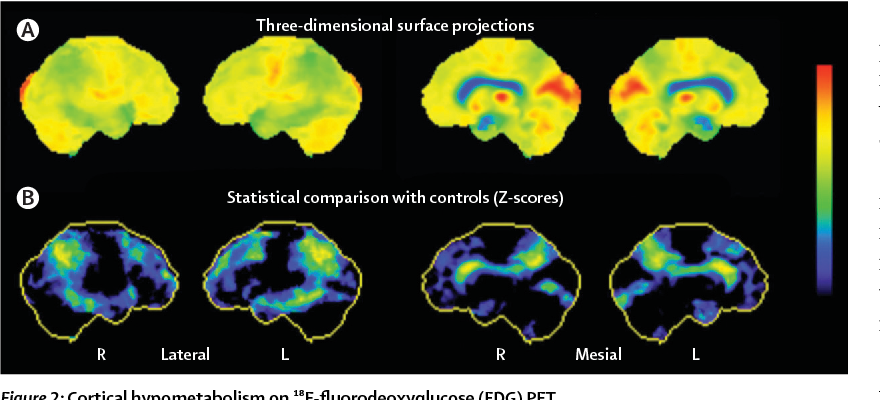
Figure 2 From Multimodal Imaging In Alzheimer S Disease Validity And Usefulness For Early Detection Semantic Scholar

Alzheimer S Biomarker Initiative Hits Its Stride Science
Q Tbn And9gctr7ulvwmjiwmu1e8fhzdboygh9vhwlsmcbxyfq9eo Usqp Cau

Artificial Intelligence Predicts Alzheimer S Years Before Diagnosis Eurekalert Science News
Q Tbn And9gctiqg0j2igvmrudd069vz32x6fzk8q2e0wnbbu8 Ueb Rc0lk86 Usqp Cau
The Nuclear Medicine Approach To Alzheimer S
Different Patterns Of Glucose Hypometabolism Underlie Functional Decline In Frontotemporal Dementia And Alzheimer S Disease Fdg Pet Study
Frontiers 18f Fdg Pet In Mouse Models Of Alzheimer S Disease Medicine

Alzheimer Disease Markers Predict Subsequent Decline In Mild Cognitive Impairment Neurology Advisor

Postdoc Computer Aided Diagnosis Of Dementia Ninon Burgos

Brain 18f Fdg Pet Mri Coregistration Iconographic Essay
Pet Ct Delivers Earlier More Accurate Detection Of Alzheimer S Disease Northwest Radiology Indianapolis Carmel Fishers

Amyloid Pet And 18f Fdg Pet In The Diagnostic Investigation Of Alzheimer S Disease And Other Dementias The Lancet Neurology

Molecular Structural And Functional Characterization Of Alzheimer S Disease Evidence For A Relationship Between Default Activity Amyloid And Memory Journal Of Neuroscience
1

Amyloid Imaging In Distinguishing Atypical Prion Disease From Alzheimer Disease Neurology
Fdg Pet Typical Pattern For Alzheimer Disease

Integrated 18f Fluorodeoxyglucose Positron Emission Tomography Magnetic Resonance Imaging 18f Fdg Pet Mri A Multimodality Approach For Comprehensive Evaluation Of Dementia Patients A Pictorial Essay Jena A Renjen Pn Taneja S Gambhir A Negi P


